


How to choose the right contactor for a circuit?
Oct 01, 2025
Leave a message
Selecting the right contactor for a circuit is a critical decision that directly impacts the performance, safety, and efficiency of an electrical system. As a contactor supplier, I understand the complexities involved in this process and am here to guide you through the key factors to consider when making your choice.
Understanding the Basics of Contactors
Before delving into the selection process, it's essential to have a clear understanding of what a contactor is and how it functions. A contactor is an electrically controlled switch used for switching an electrical power circuit. It consists of a coil, contacts, and an enclosure. When the coil is energized, it creates a magnetic field that pulls the contacts together, closing the circuit and allowing current to flow. When the coil is de-energized, the contacts open, interrupting the current flow.
Factors to Consider When Choosing a Contactor
1. Load Type
The type of load that the contactor will control is one of the most important factors to consider. Different loads have different electrical characteristics, such as inductive, resistive, or capacitive loads.
- Resistive Loads: These loads, such as heaters and incandescent lamps, have a relatively constant resistance and draw a steady current. Contactors for resistive loads are typically rated based on their current-carrying capacity.
- Inductive Loads: Inductive loads, such as motors and transformers, have a magnetic field associated with them. When the contactor opens or closes, the magnetic field can cause a high inrush current and voltage spikes. Contactors for inductive loads need to be able to handle these transient conditions and are often rated based on their horsepower or kilowatt rating.
- Capacitive Loads: Capacitive loads, such as capacitor banks, store electrical energy in an electric field. When the contactor closes, there can be a high inrush current as the capacitor charges. Contactors for capacitive loads need to be able to handle this initial surge of current.
2. Voltage Rating
The voltage rating of the contactor must match the voltage of the circuit in which it will be used. Using a contactor with a lower voltage rating than the circuit voltage can result in arcing, overheating, and premature failure of the contactor. Conversely, using a contactor with a higher voltage rating than necessary can be more expensive and may not provide optimal performance.
3. Current Rating
The current rating of the contactor is the maximum amount of current that it can safely carry without overheating. It is important to select a contactor with a current rating that is higher than the normal operating current of the load. However, it is also important not to oversize the contactor too much, as this can increase the cost and may not provide any additional benefits.
4. Coil Voltage
The coil voltage of the contactor is the voltage required to energize the coil and close the contacts. It is important to select a contactor with a coil voltage that is compatible with the control circuit voltage. Common coil voltages include 12V, 24V, 110V, and 230V.
5. Number of Poles
The number of poles refers to the number of separate circuits that the contactor can control. Single-pole contactors are used to control a single circuit, while multi-pole contactors can control multiple circuits simultaneously. The number of poles required depends on the specific application and the number of circuits that need to be controlled.
6. Contact Configuration
The contact configuration refers to the arrangement of the contacts in the contactor. Common contact configurations include normally open (NO), normally closed (NC), and changeover (CO) contacts. Normally open contacts are open when the coil is de-energized and close when the coil is energized. Normally closed contacts are closed when the coil is de-energized and open when the coil is energized. Changeover contacts have both a normally open and a normally closed contact. The contact configuration required depends on the specific application and the control logic of the circuit.
7. Environmental Conditions
The environmental conditions in which the contactor will be used can also affect its performance and lifespan. Factors such as temperature, humidity, dust, and vibration can all have an impact on the contactor. It is important to select a contactor that is designed to operate in the specific environmental conditions of the application. For example, contactors used in high-temperature environments may need to be rated for a higher temperature range, while contactors used in dusty environments may need to be sealed to prevent dust from entering the enclosure.
Our Product Recommendations
As a contactor supplier, we offer a wide range of contactors to meet the needs of various applications. Here are some of our popular products:
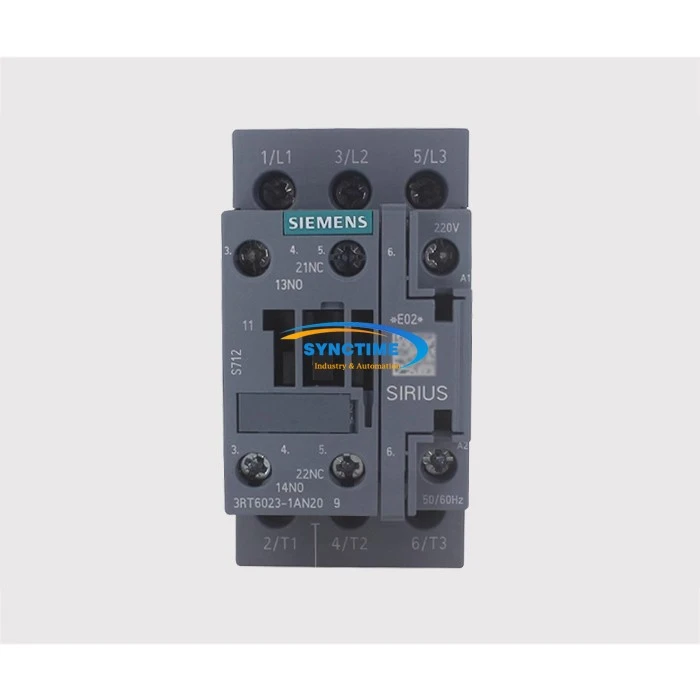
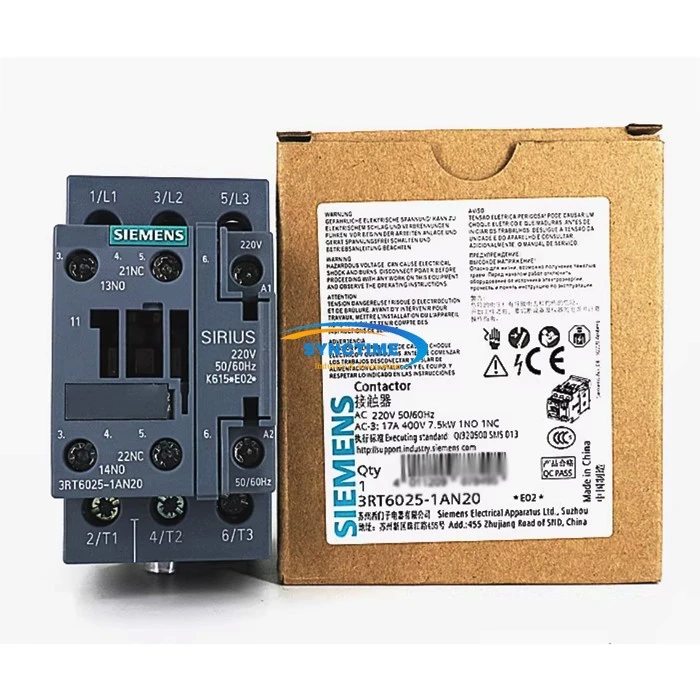
- 3RT6025-1AN20 3RT6026-1AN20 Contactor: These contactors are designed for use in industrial applications and are suitable for controlling inductive, resistive, and capacitive loads. They have a high current-carrying capacity and are available in various coil voltages and contact configurations.
- 3RT6023-1AN20 3RT6024-1AN20 Contactor: These contactors are also suitable for industrial applications and are known for their reliability and durability. They have a compact design and are available in different pole configurations.
- S-N220 Magnetic Contactor: This magnetic contactor is designed for use in low-voltage circuits and is suitable for controlling small motors and other electrical loads. It has a high switching frequency and is available in different coil voltages.
Conclusion
Choosing the right contactor for a circuit is a complex process that requires careful consideration of several factors. By understanding the load type, voltage rating, current rating, coil voltage, number of poles, contact configuration, and environmental conditions, you can select a contactor that will provide reliable and efficient performance. As a contactor supplier, we are committed to providing our customers with high-quality products and expert advice to help them make the right choice. If you have any questions or need assistance in selecting a contactor for your application, please feel free to contact us for further discussion and procurement negotiation.
References
- Electrical Installation Guide, Schneider Electric
- Handbook of Electrical Engineering, McGraw-Hill
Send Inquiry