


What is the abrasion resistance of S-N180?
Oct 01, 2025
Leave a message
Abrasion resistance is a crucial property for many industrial materials and products, especially in applications where components are subject to friction, wear, and mechanical stress. As a supplier of S-N180, I am often asked about its abrasion resistance. In this blog post, I will delve into what the abrasion resistance of S-N180 means, how it is measured, and why it matters in various industrial settings.
Understanding Abrasion Resistance
Abrasion resistance refers to a material's ability to withstand the wear and tear caused by the rubbing, scraping, or erosion of its surface. When a material has high abrasion resistance, it can maintain its integrity and functionality over an extended period, even when exposed to harsh operating conditions. This property is particularly important in industries such as manufacturing, automotive, and construction, where equipment and components are constantly in contact with other surfaces or particles.
The Abrasion Resistance of S-N180
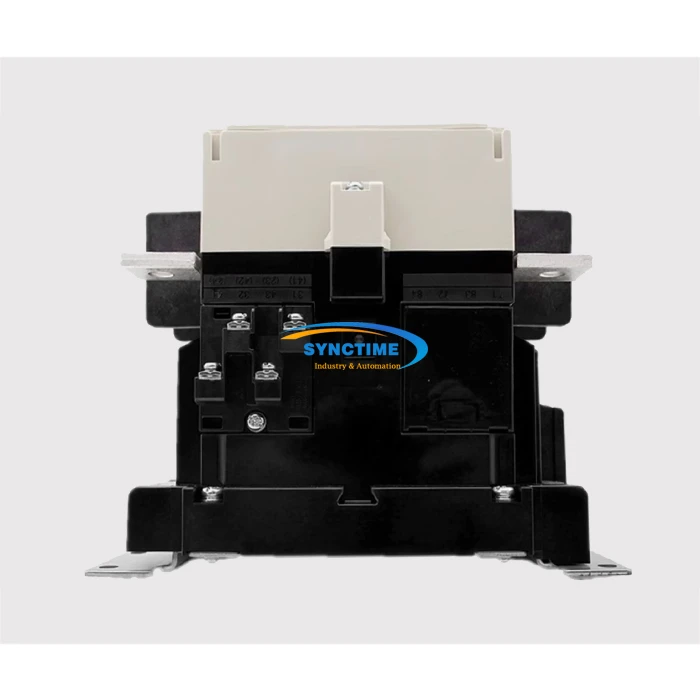
S-N180 is a high-quality product known for its excellent abrasion resistance. This is achieved through a combination of advanced materials and manufacturing processes. The specific composition of S-N180 includes a blend of polymers and additives that are carefully selected to enhance its durability and resistance to wear.
One of the key factors contributing to the abrasion resistance of S-N180 is its hardness. Harder materials generally have better abrasion resistance because they are less likely to be scratched or worn away by contact with other surfaces. S-N180 has a carefully engineered hardness that provides a good balance between resistance to abrasion and other mechanical properties such as flexibility and toughness.
Another important aspect is the surface finish of S-N180. A smooth surface finish can reduce friction and minimize the likelihood of abrasion. The manufacturing process of S-N180 ensures a uniform and smooth surface, which further enhances its abrasion resistance.
Measuring the Abrasion Resistance of S-N180
There are several methods used to measure the abrasion resistance of materials, and the choice of method depends on the specific application and requirements. One common method is the Taber abrasion test. In this test, a sample of S-N180 is subjected to a rotating abrasive wheel under a specified load. The amount of material worn away after a certain number of rotations is measured, and this provides an indication of the material's abrasion resistance.
Another method is the sandpaper abrasion test, where a sample is rubbed against sandpaper with a defined grit size under a controlled pressure. The number of cycles required to cause a certain level of wear is recorded, and this can be used to compare the abrasion resistance of different materials.
Importance of Abrasion Resistance in Different Applications
Manufacturing
In manufacturing processes, S-N180 can be used in conveyor belts, rollers, and other components that come into contact with raw materials or finished products. Its high abrasion resistance ensures that these components have a long service life, reducing the need for frequent replacements and minimizing downtime. For example, in a food processing plant, S-N180 conveyor belts can withstand the constant movement of food products without wearing out quickly, maintaining the efficiency of the production line.
Automotive
In the automotive industry, S-N180 can be used in various parts such as seals, gaskets, and bushings. These components are exposed to friction and wear from moving parts, and the abrasion resistance of S-N180 helps to prevent premature failure. For instance, S-N180 seals can maintain their integrity even under high-pressure and high-temperature conditions, ensuring a reliable seal and preventing fluid leakage.
Construction
In construction, S-N180 can be used in flooring materials, coatings, and protective barriers. Its abrasion resistance makes it suitable for high-traffic areas, such as commercial buildings and industrial facilities. For example, S-N180 flooring can withstand the constant movement of people, vehicles, and equipment without showing signs of excessive wear, providing a durable and long-lasting surface.
Comparison with Other Products
When comparing S-N180 with other similar products in the market, its abrasion resistance stands out. For example, compared to some traditional rubber materials, S-N180 has significantly better abrasion resistance, which means it can last much longer in the same application.
In addition, S-N180 also offers advantages over some metal components. While metals can be hard and have good abrasion resistance in some cases, they are often heavier and more prone to corrosion. S-N180, on the other hand, is lightweight, corrosion-resistant, and still provides excellent abrasion resistance, making it a more versatile and cost-effective choice in many applications.
Related Products and Their Abrasion Resistance
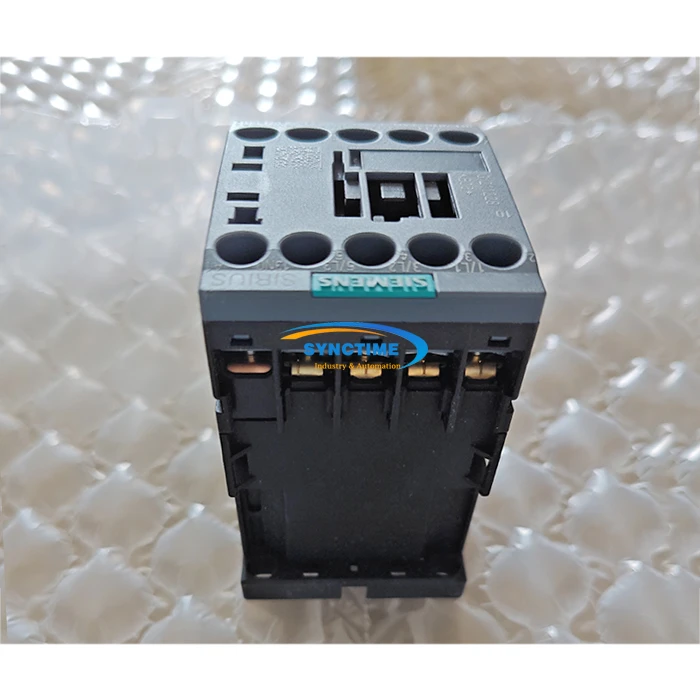
If you are interested in other related products, we also offer the 3RT2016-1AN21 Contactor, the 3RT6023-1AN20 3RT6024-1AN20 Contactor, and the S-N220 Magnetic Contactor. These products also have their own unique abrasion resistance characteristics, which are designed to meet the specific needs of different industrial applications.
Conclusion
The abrasion resistance of S-N180 is a key feature that makes it a valuable product in many industrial applications. Its ability to withstand wear and tear ensures long service life, reduced maintenance costs, and improved efficiency. Whether you are in the manufacturing, automotive, or construction industry, S-N180 can provide a reliable solution for your abrasion resistance needs.
If you are interested in learning more about S-N180 or any of our other products, or if you are considering a purchase, please feel free to contact us for further discussion. We are committed to providing high-quality products and excellent customer service, and we look forward to the opportunity to work with you.
References
- ASTM D4060 - Standard Test Method for Abrasion Resistance of Organic Coatings by the Taber Abraser
- ISO 9352 - Plastics - Determination of abrasion resistance using a rotating abrasive wheel
Send Inquiry