


What are the cost factors of pneumatic fluid control parts?
Sep 30, 2025
Leave a message
Hey there! As a supplier of pneumatic fluid control parts, I've been in the game for quite some time. And let me tell you, understanding the cost factors of these parts is crucial, whether you're a buyer or a seller. In this blog, I'll break down the key elements that affect the cost of pneumatic fluid control parts.
1. Material Costs
The first and most obvious cost factor is the material used to make the parts. Different materials have different prices, and they also have different properties that can affect the performance and durability of the parts.
Metals
Metals are commonly used in pneumatic fluid control parts because of their strength and durability. Stainless steel, for example, is resistant to corrosion, making it ideal for applications where the parts will be exposed to harsh environments. However, stainless steel is also more expensive than other metals like carbon steel. Aluminum is another popular choice because it's lightweight and has good thermal conductivity. But it may not be as strong as steel, so it might not be suitable for high - pressure applications.
Plastics
Plastics are often used in pneumatic fluid control parts because they're cheap, lightweight, and easy to mold into different shapes. For instance, polycarbonate is a strong and transparent plastic that can be used for viewing windows in fluid control systems. However, plastics may not be as durable as metals and can be affected by chemicals and high temperatures.
Elastomers
Elastomers, such as rubber, are used for seals and gaskets in pneumatic fluid control parts. The cost of elastomers can vary depending on their type and properties. For example, silicone rubber is heat - resistant and has good electrical insulation properties, but it's more expensive than natural rubber.
2. Manufacturing Processes
The way the pneumatic fluid control parts are manufactured also has a big impact on their cost.
Machining
Machining is a common manufacturing process for metal parts. It involves cutting, drilling, and shaping the metal using various tools. Precision machining, which is required for parts with tight tolerances, is more expensive because it requires more time and specialized equipment. For example, if a part needs to have a very smooth surface finish or a specific hole diameter, the machining process will be more complex and costly.
Molding
Molding is used for making plastic and elastomer parts. Injection molding is a popular method for mass - producing plastic parts. The cost of injection molding depends on the size and complexity of the mold. A large and complex mold can cost thousands of dollars to make, but once the mold is made, the cost per part can be relatively low for high - volume production.
Casting
Casting is a process where molten metal is poured into a mold to form a part. There are different types of casting, such as sand casting and investment casting. Investment casting is more expensive but can produce parts with very high precision and a good surface finish. Sand casting is cheaper but may not be as accurate.
3. Design Complexity
The design of the pneumatic fluid control parts can significantly affect their cost.
Geometric Complexity
Parts with complex geometries, such as those with multiple curves, angles, and internal passages, are more difficult to manufacture. For example, a valve with a complex internal flow path will require more advanced manufacturing techniques and more time to produce, which will increase its cost.
Customization
Custom - designed parts are usually more expensive than standard parts. If a customer needs a pneumatic fluid control part with specific dimensions, features, or performance requirements, the supplier will have to invest more time and resources in the design and manufacturing process. For instance, if you need a custom - sized cylinder for a unique application, the supplier may have to modify their production process and use special tooling.
4. Quality and Certification
The quality of the pneumatic fluid control parts and the certifications they have can also influence their cost.
Quality Standards
High - quality parts are made to strict quality standards. They undergo more rigorous testing and inspection during the manufacturing process to ensure they meet the required performance and reliability criteria. For example, parts that are used in critical applications, such as in the aerospace or medical industries, need to have a very high level of quality. These parts will be more expensive because of the additional quality control measures.
Certifications
Certifications, such as ISO 9001 for quality management systems or CE for compliance with European safety standards, can add to the cost of the parts. Obtaining these certifications requires the supplier to invest in quality management systems, testing equipment, and documentation. However, having these certifications can also increase the marketability of the parts, especially in international markets.
5. Market Demand and Supply
The basic economic principle of supply and demand also plays a role in the cost of pneumatic fluid control parts.
High Demand
When the demand for a particular type of pneumatic fluid control part is high, the price tends to go up. For example, if there's a sudden increase in the demand for a specific valve due to a new industry trend or a large - scale project, the suppliers may increase the price because they can sell more parts at a higher price.
Low Supply
If the supply of a certain raw material or component used in the manufacturing of pneumatic fluid control parts is low, the cost of the final parts will increase. For instance, if there's a shortage of a particular type of metal due to mining disruptions, the price of metal - based parts will go up.
Examples of Pneumatic Fluid Control Parts and Their Costs
Let's take a look at some specific pneumatic fluid control parts and how the cost factors we've discussed apply to them.
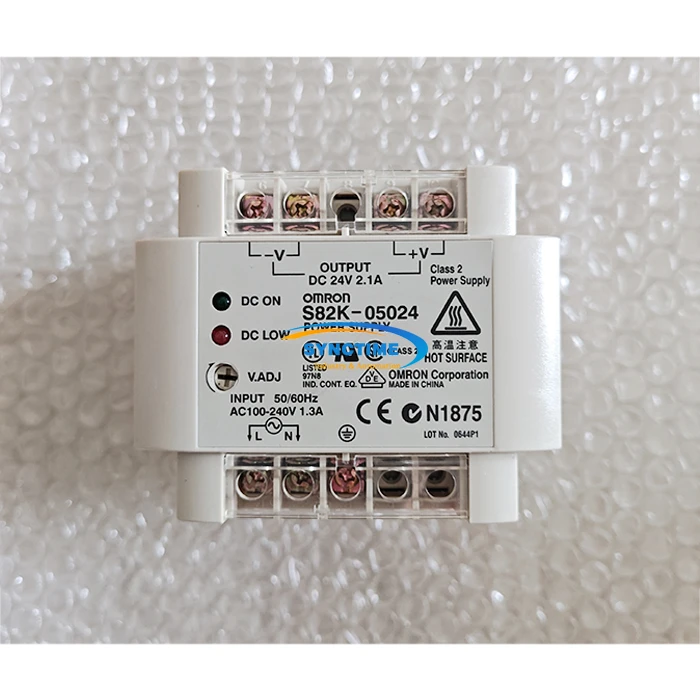
- The S82K - 05024 Power Supply is an important component in many pneumatic fluid control systems. The cost of this power supply is affected by the materials used (such as the type of circuit board and the quality of the power components), the manufacturing process (precision assembly is required), and the quality standards it needs to meet.
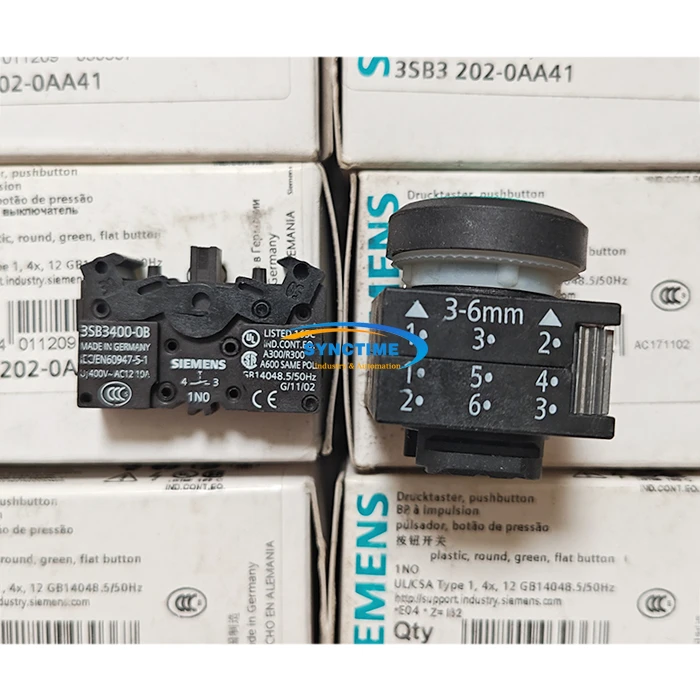
- The 3SB3202 - 0AA41 Push Button Green is a simple yet essential part. Its cost depends on the material of the button (plastic or metal), the manufacturing process (molding or machining), and the design complexity (if it has any special features like illumination).
- The Z - 15GQ - B Q8 Q21 Q22 Basic Switch is used for controlling the flow of fluid. The cost of this switch is influenced by the material of the contacts (copper, silver, etc.), the manufacturing process (precision stamping for the contacts), and the quality and durability requirements.
Conclusion
As you can see, there are many factors that affect the cost of pneumatic fluid control parts. Understanding these factors can help you make more informed decisions when buying or selling these parts. If you're in the market for high - quality pneumatic fluid control parts, I'd love to have a chat with you. Whether you need standard parts or custom - designed solutions, I can provide you with the best products at competitive prices. Feel free to reach out to me for a quote or to discuss your specific requirements.
References
- "Pneumatic Systems Design and Application" by Neil Sclater
- "Fluid Power Technology" by Anthony Esposito
Send Inquiry