


What is the role of a relay in a power distribution system?
Jan 19, 2026
Leave a message
In the intricate web of a power distribution system, relays play a pivotal role that cannot be overstated. As a relay supplier, I've witnessed firsthand how these seemingly small components are the unsung heroes of electrical infrastructure, ensuring the safe, efficient, and reliable distribution of power.
Understanding the Basics of Relays
At its core, a relay is an electrically operated switch. It uses an electromagnet to control the opening and closing of contacts, which can connect or disconnect electrical circuits. This simple yet powerful mechanism allows relays to perform a wide range of functions in a power distribution system.
One of the primary functions of a relay is to isolate different parts of an electrical circuit. In a power distribution network, there are often high - voltage and low - voltage sections. Relays can be used to separate these sections, protecting sensitive low - voltage components from the high - voltage environment. For example, in a substation, a relay can isolate the control circuits from the high - voltage power lines, preventing electrical interference and potential damage.
Relays also serve as amplifiers in a power distribution system. A small electrical signal can be used to control a much larger current or voltage. This is particularly useful in situations where a control system needs to switch high - power loads. For instance, in an industrial setting, a low - power control signal from a programmable logic controller (PLC) can be used to activate a relay, which then switches a high - power motor or heater.
Types of Relays in Power Distribution
There are several types of relays commonly used in power distribution systems, each with its own unique characteristics and applications.
Overcurrent relays are designed to detect when the current in a circuit exceeds a predetermined value. When an overcurrent condition is detected, the relay trips, opening the circuit and preventing damage to the electrical equipment. These relays are crucial for protecting transformers, generators, and other high - value assets from overheating and short - circuits. For example, in a large commercial building, an overcurrent relay can protect the electrical panels and wiring from excessive current, reducing the risk of fire.
Voltage relays monitor the voltage in a circuit. They can be set to trip when the voltage is either too high or too low. Under - voltage conditions can cause motors to stall and other equipment to malfunction, while over - voltage can damage sensitive electronic components. Voltage relays help maintain a stable voltage supply, ensuring the proper operation of electrical devices.
Differential relays compare the current entering and leaving a particular section of a circuit. If there is a significant difference between the two currents, it indicates a fault within that section. Differential relays are commonly used to protect large transformers and generators, as they can quickly detect internal faults and isolate the affected equipment.
Our Relay Products
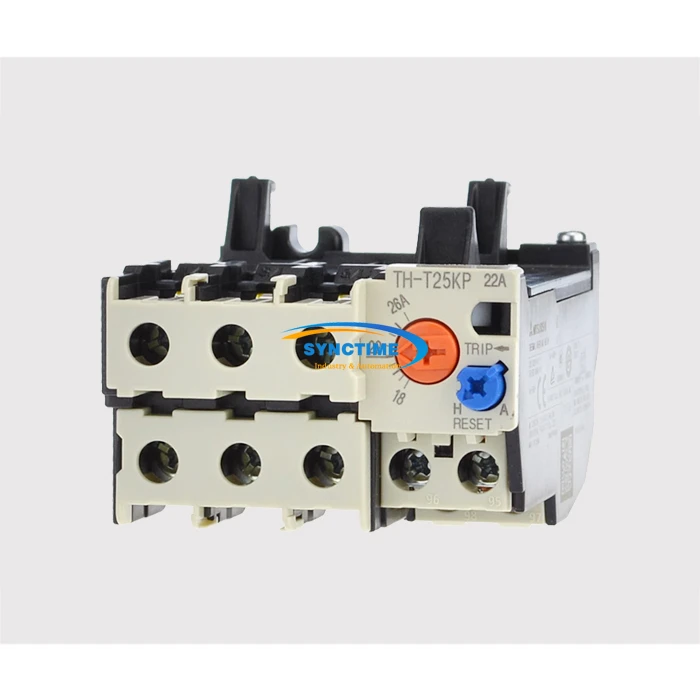
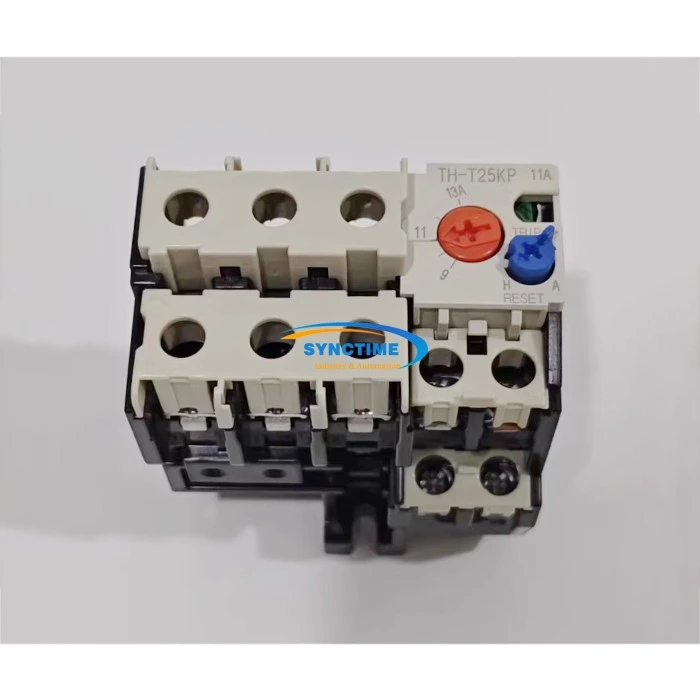
As a relay supplier, we offer a wide range of high - quality relays suitable for various power distribution applications. One of our popular products is the TH - T25KP Relay. This relay is known for its high reliability and long service life. It is designed to handle moderate currents and voltages, making it ideal for use in control circuits and small - scale power distribution systems.
The MY2N - D2 Power Relay is another excellent option. It is a power relay capable of switching high - power loads. With its robust construction and high - performance contacts, it can withstand the demands of industrial applications, such as motor control and lighting systems.
For more specialized applications, we also offer the 34.81.7.024.9024 Relay. This relay is designed for use in high - voltage and high - current environments, providing reliable protection and control in critical power distribution systems.
Importance of Quality Relays in Power Distribution
Using high - quality relays is essential for the proper functioning of a power distribution system. Inferior relays can lead to frequent malfunctions, downtime, and even safety hazards. A faulty relay may fail to trip when an overcurrent or over - voltage condition occurs, putting the electrical equipment and personnel at risk.
Quality relays are designed to meet strict industry standards and undergo rigorous testing to ensure their reliability. They are made from high - grade materials that can withstand the harsh conditions of a power distribution environment, such as high temperatures, humidity, and electrical interference.
In addition, high - quality relays offer better performance and longer service life. They require less maintenance and replacement, reducing the overall cost of ownership. For a power distribution system operator, investing in quality relays can result in significant savings in the long run.
The Future of Relays in Power Distribution
As the power distribution industry continues to evolve, so do the requirements for relays. With the increasing integration of renewable energy sources, such as solar and wind, into the power grid, relays need to be able to handle more complex and variable power flows.
Smart relays are emerging as a new trend in the power distribution market. These relays are equipped with advanced sensors and communication capabilities, allowing them to monitor and control power systems in real - time. They can provide valuable data on the operating conditions of the electrical network, enabling operators to make more informed decisions and optimize the performance of the power distribution system.
In addition, the demand for miniaturized relays is growing. As electronic devices become smaller and more compact, there is a need for relays that can fit into limited spaces without sacrificing performance. Miniaturized relays are also more energy - efficient, which is in line with the industry's trend towards sustainability.
Contact Us for Relay Procurement
If you are in the market for high - quality relays for your power distribution system, we are here to help. Our team of experts can provide you with professional advice on the selection of the right relays for your specific needs. We offer a wide range of products, competitive prices, and excellent customer service.
Whether you are a power utility company, an industrial manufacturer, or an electrical contractor, we have the relays to meet your requirements. Contact us today to start a procurement discussion and take the first step towards a more reliable and efficient power distribution system.
References
- Electrical Power Systems Quality, by Roger C. Dugan, Mark F. McGranaghan, Surya Santoso, and H. Wayne Beaty.
- Power System Protection, by M. A. Pai.
- Relay Handbook, by Schweitzer Engineering Laboratories.
Send Inquiry