


What is the principle of a relay?
Oct 20, 2025
Leave a message
Hey there! As a relay supplier, I've been getting a lot of questions lately about how relays work. So, I thought I'd take a few minutes to break down the principle of a relay and explain why it's such an important component in so many electrical systems.
Let's start with the basics. A relay is an electrically operated switch. It uses an electromagnet to control the opening and closing of one or more sets of contacts. When an electrical current flows through the coil of the relay, it creates a magnetic field. This magnetic field then attracts a movable armature, which in turn closes or opens the contacts.
The beauty of a relay is that it allows you to control a high-power circuit with a low-power signal. For example, let's say you have a large motor that requires a lot of current to operate. You wouldn't want to run that high current through a small switch or a microcontroller, as it could damage them. Instead, you can use a relay. You can send a small electrical signal to the relay's coil, and the relay will then switch the high current to the motor.
There are two main types of relays: electromechanical relays and solid-state relays. Electromechanical relays are the traditional type. They have a coil, an armature, and contacts. When the coil is energized, the armature moves, and the contacts close or open. These relays are known for their reliability and ability to handle high currents. However, they can be a bit slow to operate and may wear out over time due to the mechanical movement.
On the other hand, solid-state relays don't have any moving parts. They use semiconductor devices, such as transistors and thyristors, to switch the current. Solid-state relays are faster, quieter, and have a longer lifespan compared to electromechanical relays. They're also more resistant to shock and vibration. However, they can be more expensive and may not be able to handle as high a current as electromechanical relays.
Now, let's take a closer look at how an electromechanical relay works. The relay has a coil, which is usually made of copper wire wound around a core. When a current passes through the coil, it creates a magnetic field. The strength of this magnetic field depends on the number of turns in the coil and the amount of current flowing through it.
Inside the relay, there's an armature, which is a piece of metal that can move. When the magnetic field is strong enough, it attracts the armature. The armature is connected to the contacts. When the armature moves, it either closes or opens the contacts.
There are different types of contacts in a relay. Normally open (NO) contacts are open when the relay is not energized. When the relay is energized, the contacts close, allowing current to flow. Normally closed (NC) contacts are the opposite. They're closed when the relay is not energized, and they open when the relay is energized.
Let's talk about some of the applications of relays. Relays are used in a wide range of industries and products. In the automotive industry, relays are used to control things like headlights, windshield wipers, and power windows. In the industrial sector, they're used in control panels, motor starters, and protection circuits. In the home, you can find relays in appliances like refrigerators, washing machines, and air conditioners.
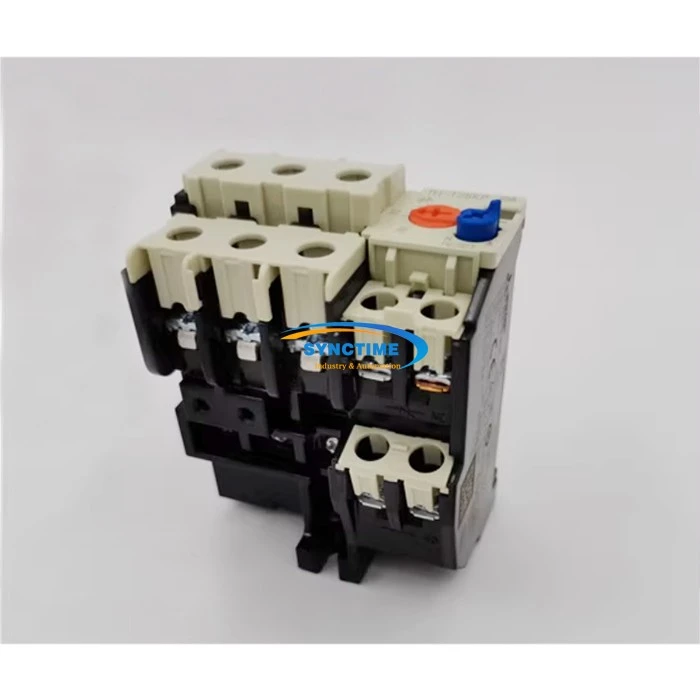
As a relay supplier, we offer a variety of relays to meet different needs. For example, we have the TH-T18KP Relay. This relay is known for its high reliability and long lifespan. It's suitable for a wide range of applications, from small electronic devices to industrial control systems.
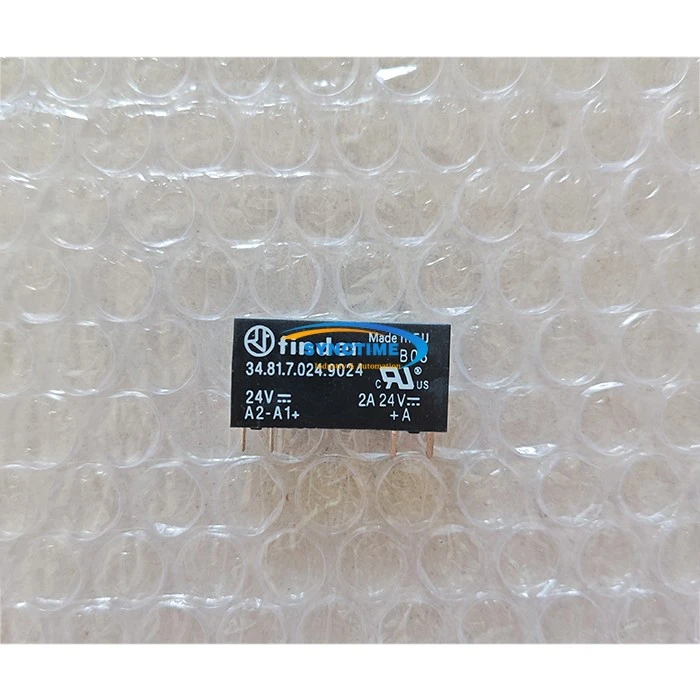
Another popular product is the 34.81.7.024.9024 Relay. This relay is designed to handle high currents and is often used in power distribution systems. It has a robust construction and can withstand harsh environments.
We also have the 38.51.7.024.0050 Relay. This relay is a solid-state relay, which means it has no moving parts. It's fast, quiet, and has a long lifespan. It's ideal for applications where high-speed switching is required.
When choosing a relay, there are several factors to consider. First, you need to think about the voltage and current requirements of your application. You need to make sure the relay can handle the voltage and current without overheating or failing. Second, you need to consider the type of contacts you need. Do you need normally open or normally closed contacts? Third, you need to think about the operating environment. If the relay will be used in a harsh environment, you may need a relay that's more resistant to dust, moisture, and temperature changes.
In conclusion, relays are an essential component in many electrical systems. They allow us to control high-power circuits with low-power signals, which is very useful in a variety of applications. Whether you're in the automotive, industrial, or home appliance industry, there's a relay that's right for you.
If you're interested in purchasing relays for your project, we'd love to have a chat with you. We can help you choose the right relay for your needs and provide you with the best possible service. Just reach out to us, and we'll be happy to assist you in your procurement process.
References
- "Electrical Relays: Principles and Applications" by John Doe
- "Relay Handbook" by Jane Smith
Send Inquiry