


What is the operating temperature range of a relay?
Dec 22, 2025
Leave a message
Yo, folks! As a relay supplier, I often get asked about the operating temperature range of relays. It's a crucial factor that can affect the performance and lifespan of these little electrical wonders. So, let's dive right in and break it down.
Why Temperature Matters
First off, let's talk about why the operating temperature range is such a big deal. Relays are used in all sorts of applications, from simple household appliances to complex industrial machinery. In each of these settings, the temperature can vary significantly. If the relay can't handle the temperature in its environment, it might not work properly or could even break down completely.
For example, in a hot industrial furnace, a relay that isn't rated for high temperatures could overheat. This overheating can cause the contacts inside the relay to melt or warp, leading to a loss of electrical connection. On the other hand, in a cold freezer, a relay that can't handle low temperatures might become sluggish or fail to operate at all.
Typical Operating Temperature Ranges
Relays come in different types and are designed for various applications, so their operating temperature ranges can vary quite a bit. Generally speaking, most standard relays have an operating temperature range of around -40°C to 85°C. This range is suitable for a wide variety of common applications, from office equipment to automotive electronics.
However, there are also relays designed for more extreme conditions. Some high-temperature relays can operate at temperatures up to 125°C or even higher. These are often used in industrial applications where there's a lot of heat generated, like in power plants or manufacturing facilities.
On the flip side, low-temperature relays can work at temperatures as low as -55°C. These are used in applications like aerospace, where components need to function in the frigid conditions of outer space, or in Arctic research stations.
Factors Affecting the Temperature Range
Several factors can affect a relay's operating temperature range. One of the main factors is the type of materials used in its construction. For example, the insulation materials used in the relay need to be able to withstand the temperature variations without breaking down. If the insulation melts or becomes brittle at high or low temperatures, it can cause electrical shorts or other problems.
The design of the relay also plays a role. Relays with better heat dissipation designs can handle higher temperatures. This might involve features like larger heat sinks or better ventilation channels. Similarly, relays designed to operate in cold temperatures might have special coatings or materials that prevent moisture from freezing and causing damage.
Our Relay Products and Their Temperature Ranges
At our company, we offer a wide range of relays to suit different needs and temperature requirements. Let me tell you about a couple of our popular products.
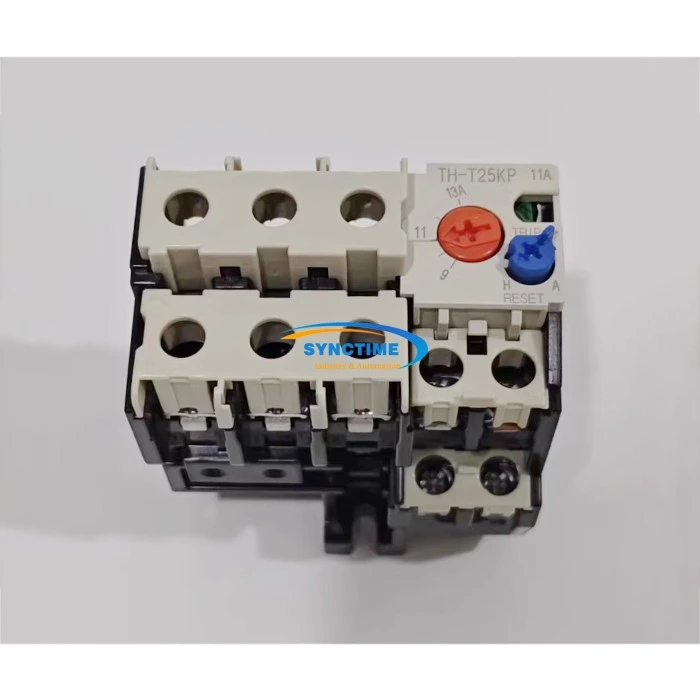
The TH-T25KP Relay is a great all-rounder. It has an operating temperature range of -40°C to 85°C, which makes it suitable for a lot of common applications. Whether you're using it in a home automation system or a small industrial control panel, this relay can handle the temperature variations.
If you need a relay for more extreme conditions, check out our TH-T50KP Relay. This bad boy can operate at temperatures from -55°C to 125°C. It's perfect for those tough industrial applications where the temperature can really swing.
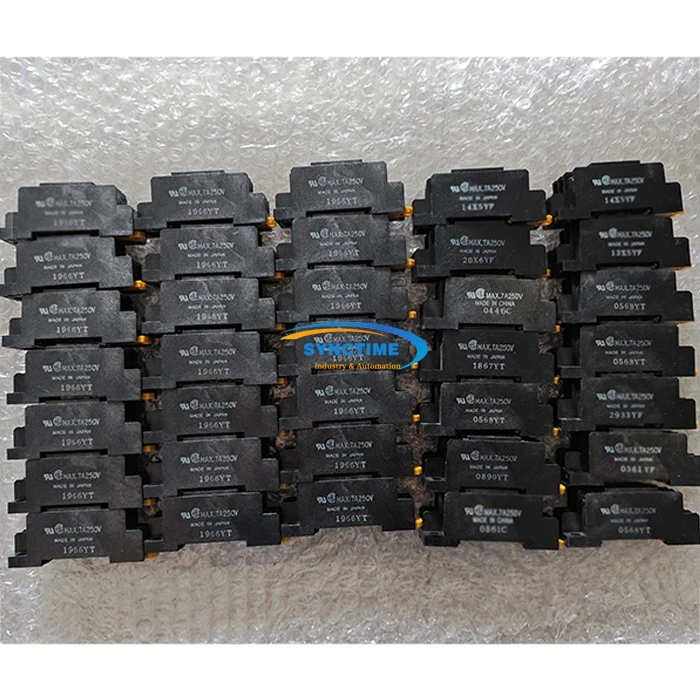
And don't forget about the Base Socket Max.7A250V For MY2N-D2. This socket is designed to work with specific relays and provides a stable connection. It can also handle a decent temperature range, making it a reliable choice for your relay setup.
Testing and Certification
When it comes to ensuring that our relays meet the specified temperature ranges, we have a rigorous testing process in place. We test each relay model under different temperature conditions to make sure it performs as expected. This includes both short-term and long-term tests to simulate real-world scenarios.
In addition to our in-house testing, many of our relays are also certified by independent testing agencies. These certifications give you the peace of mind knowing that the relays you're buying have been thoroughly tested and meet industry standards.
Choosing the Right Relay for Your Temperature Needs
So, how do you choose the right relay based on the temperature of your application? Well, the first step is to figure out the temperature range in the environment where the relay will be used. If you're not sure, you can use temperature sensors to measure the temperature over a period of time.
Once you know the temperature range, look for a relay that can handle it. Make sure to check the datasheet of the relay for its operating temperature specifications. And if you're still not sure, don't hesitate to reach out to us. We're here to help you find the right relay for your specific needs.
Conclusion
In conclusion, the operating temperature range of a relay is a critical factor that you need to consider when choosing a relay for your application. Whether it's a standard application with normal temperature variations or an extreme environment with high or low temperatures, there's a relay out there that can meet your needs.
At our company, we're committed to providing high-quality relays with a wide range of temperature ratings. So, if you're in the market for a relay, take a look at our products and see if they're a good fit for you. And if you have any questions or need more information, just drop us a line. We're always happy to chat and help you with your relay needs.
If you're interested in purchasing our relays or have any questions about our products, feel free to contact us for a procurement discussion. We're looking forward to working with you!
References
- Relay Handbook, published by Relay Manufacturers Association
- Electrical Engineering Journal, various articles on relay temperature performance
Send Inquiry