


What are the installation requirements for a regulator in a water system?
Nov 20, 2025
Leave a message
Hey there! As a supplier of valves and regulators, I often get asked about the installation requirements for regulators in a water system. It's a crucial topic because getting the installation right can make a huge difference in the performance and longevity of the regulator. So, let's dive right in and explore what you need to know.
1. Location, Location, Location
First things first, the location of the regulator in the water system is super important. You want to install it in a place that's easily accessible. This way, if you ever need to perform maintenance or make adjustments, you won't have to go through a whole lot of hassle.
It should also be installed in a dry area. Water and electricity don't mix well, and many regulators have electrical components. If the area is damp, it can lead to corrosion and electrical malfunctions. For example, if you install the regulator in a basement that tends to flood, you're just asking for trouble.
Another key consideration is the temperature. Regulators are designed to work within a specific temperature range. You don't want to install it in an area that gets too hot or too cold. Extreme temperatures can affect the accuracy of the regulator and even cause damage over time. For instance, if you install it near a boiler or in an unheated shed during winter, it might not function properly.
2. Piping and Connections
The piping and connections are the next big thing. You need to make sure that the pipes leading to and from the regulator are the right size. Using pipes that are too small can cause a drop in pressure, while pipes that are too large can lead to inefficient flow.
When connecting the regulator to the pipes, it's essential to use the right fittings. Make sure they are leak - proof. A leaky connection can not only waste water but also affect the performance of the regulator. You can use thread seal tape or pipe dope to ensure a tight seal.
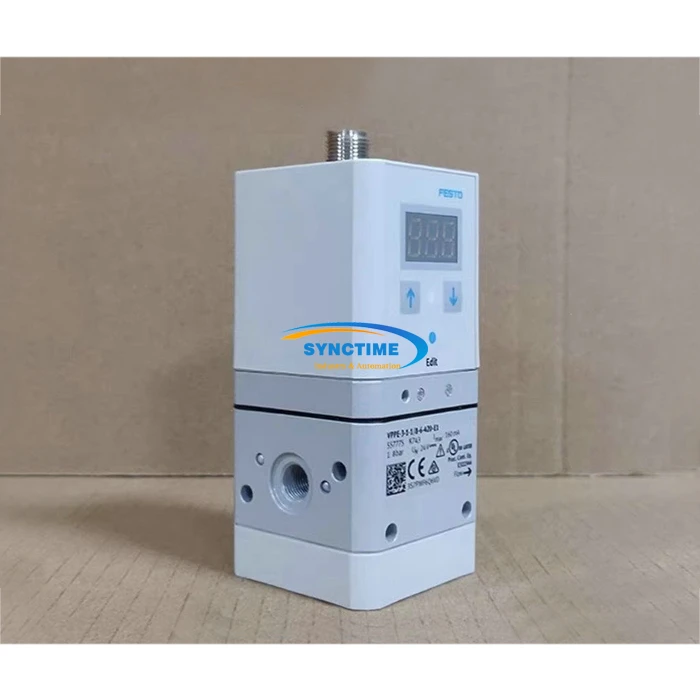
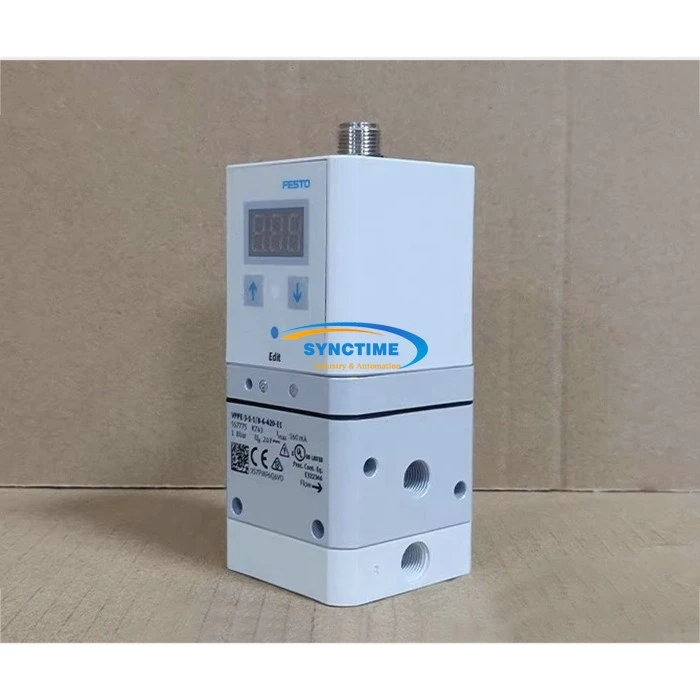
Also, consider the direction of flow. Most regulators have an arrow indicating the correct direction of water flow. Installing it backwards can lead to poor performance or even damage the regulator. For example, if you install a VPPE - 3 - 1 - 1/8 - 6 - 010 - E1 Regulator in the wrong direction, it won't be able to regulate the pressure as intended.
3. Pressure and Flow Requirements
Before installing the regulator, you need to understand the pressure and flow requirements of your water system. Different regulators are designed to handle different pressure ranges. You need to choose a regulator that can handle the maximum pressure of your water supply.
For example, if your water supply has a high - pressure spike during peak usage times, you need a regulator that can handle that spike without malfunctioning. You can measure the incoming water pressure using a pressure gauge. This will give you an accurate idea of what kind of regulator you need.
The flow rate is also important. You need to make sure that the regulator can handle the required flow rate of your water system. If the flow rate is too high for the regulator, it won't be able to regulate the pressure effectively. On the other hand, if the flow rate is too low, the regulator might not function properly either.
4. Mounting
Proper mounting of the regulator is crucial. You need to mount it securely to prevent vibration. Vibration can cause the internal components of the regulator to wear out faster and can also lead to inaccurate pressure regulation.
You can use brackets or mounts specifically designed for the regulator. Make sure the mounting surface is flat and stable. If you mount the regulator on a wobbly surface, it can cause problems over time.
5. Filtration
Installing a filter before the regulator is a great idea. Water can contain dirt, debris, and other particles that can damage the regulator. A filter can help remove these particles and protect the regulator.
There are different types of filters available, such as sediment filters and carbon filters. You can choose the one that suits your water quality. For example, if your water has a lot of sediment, a sediment filter would be a good choice.
6. Testing
Once you've installed the regulator, it's time to test it. Turn on the water supply slowly and check for any leaks. You can use a soapy water solution to check for leaks around the connections. If you see bubbles forming, it means there's a leak.
Next, check the pressure. Use a pressure gauge to measure the pressure before and after the regulator. Make sure the pressure is within the desired range. If it's not, you might need to make some adjustments to the regulator.
7. Maintenance
Regular maintenance is essential for the proper functioning of the regulator. You should check the regulator periodically for any signs of wear and tear. Look for things like corrosion, leaks, and damaged components.
Clean the filter regularly to ensure that it's working effectively. Replace any worn - out parts as soon as possible. This will help extend the lifespan of the regulator and keep your water system running smoothly.
Conclusion
Installing a regulator in a water system is not a complicated process, but it does require attention to detail. By following these installation requirements, you can ensure that your regulator works efficiently and lasts a long time.
If you're in the market for a high - quality regulator, we've got you covered. We offer a wide range of valves and regulators, including the VPPE - 3 - 1 - 1/8 - 6 - 010 - E1 Regulator. If you have any questions or need help with choosing the right regulator for your water system, don't hesitate to reach out. We're here to assist you with all your valve and regulator needs. Contact us today to start the procurement process and get your water system in top - notch condition!
References
- "Water System Handbook" by Water Industry Experts
- Manufacturer's manuals for various regulators
- Industry standards for water system installations
Send Inquiry