


What are the diagnostic indicators of S-N180?
Oct 28, 2025
Leave a message
As a supplier of the S-N180, I've had the privilege of witnessing its widespread application and the significant role it plays in various industrial settings. In this blog, I'll delve into the diagnostic indicators of the S-N180, offering insights that can help users effectively monitor and maintain this essential equipment.
Electrical Parameters
One of the primary diagnostic indicators of the S-N180 is its electrical parameters. These parameters provide crucial information about the device's performance and can help identify potential issues early on.
Voltage
The operating voltage of the S-N180 is a critical parameter. Deviations from the specified voltage range can lead to improper functioning or even damage to the device. For instance, if the input voltage is too low, the S-N180 may not be able to operate at its full capacity, resulting in reduced efficiency. On the other hand, an excessively high voltage can cause overheating and potentially damage the internal components. Regularly monitoring the voltage using a reliable multimeter can help detect any abnormal fluctuations.
Current
Current measurement is another important diagnostic tool. The S-N180 draws a certain amount of current based on its load and operating conditions. An unexpected increase in current may indicate a short circuit or an overloaded system. Conversely, a significant decrease in current could suggest a loose connection or a malfunctioning component. By using a clamp meter to measure the current, operators can quickly identify and address any current-related issues.
Resistance
Measuring the resistance of the S-N180's components can also provide valuable diagnostic information. For example, a high resistance in the coil or contacts may indicate a problem such as corrosion or a broken wire. A low resistance, on the other hand, could suggest a short circuit. Using an ohmmeter to measure the resistance of different parts of the S-N180 can help pinpoint the source of any electrical problems.
Temperature
Temperature is a key diagnostic indicator for the S-N180. Excessive heat can accelerate the wear and tear of components, reduce the device's lifespan, and even pose a safety hazard.
Ambient Temperature
The ambient temperature in which the S-N180 operates can have a significant impact on its performance. High ambient temperatures can cause the device to overheat more easily, while low temperatures can affect the lubrication and flexibility of moving parts. It's important to ensure that the S-N180 is installed in an environment with a suitable temperature range. Additionally, monitoring the ambient temperature using a thermometer can help identify any potential issues related to the operating environment.
Component Temperature
Monitoring the temperature of specific components within the S-N180 is also crucial. For example, the temperature of the coil and contacts can provide insights into their performance. An abnormally high temperature in these areas may indicate excessive current flow or poor contact, which can lead to arcing and damage. Infrared thermometers or temperature sensors can be used to measure the temperature of these components accurately.
Mechanical Condition
The mechanical condition of the S-N180 is another important aspect to consider when diagnosing its performance.
Vibration
Excessive vibration can be a sign of mechanical problems in the S-N180. It can be caused by loose parts, misalignment, or unbalanced loads. Regularly checking for vibration using a vibration meter can help detect any potential issues early on. If vibration is detected, further inspection should be carried out to identify the source of the problem and take appropriate corrective actions.

Noise
Unusual noise coming from the S-N180 can also indicate mechanical problems. Grinding, rattling, or humming sounds may suggest worn-out bearings, loose parts, or improper lubrication. Listening carefully to the device during operation and comparing the noise level to normal conditions can help identify any abnormal sounds. If noise is detected, a detailed inspection should be conducted to determine the cause and address the issue.
Wear and Tear
Inspecting the physical condition of the S-N180's components is essential for detecting wear and tear. Over time, the contacts, springs, and other moving parts may experience wear, which can affect the device's performance. Regular visual inspections can help identify any signs of wear, such as pitting on the contacts or stretching of the springs. If significant wear is detected, the affected components should be replaced promptly to prevent further damage.
Comparison with Similar Products
Comparing the S-N180 with similar products in the market can also provide valuable diagnostic insights. For example, if the S-N180 is experiencing performance issues that are not present in other similar devices, it may indicate a problem specific to the S-N180.
3RT2016-1AN21 Contactor
The 3RT2016-1AN21 Contactor is a well-known product in the industry. By comparing the performance, features, and diagnostic indicators of the S-N180 with the 3RT2016-1AN21 Contactor, operators can gain a better understanding of the S-N180's strengths and weaknesses. This comparison can help identify any areas where the S-N180 may be underperforming and guide the decision-making process for maintenance and improvement.
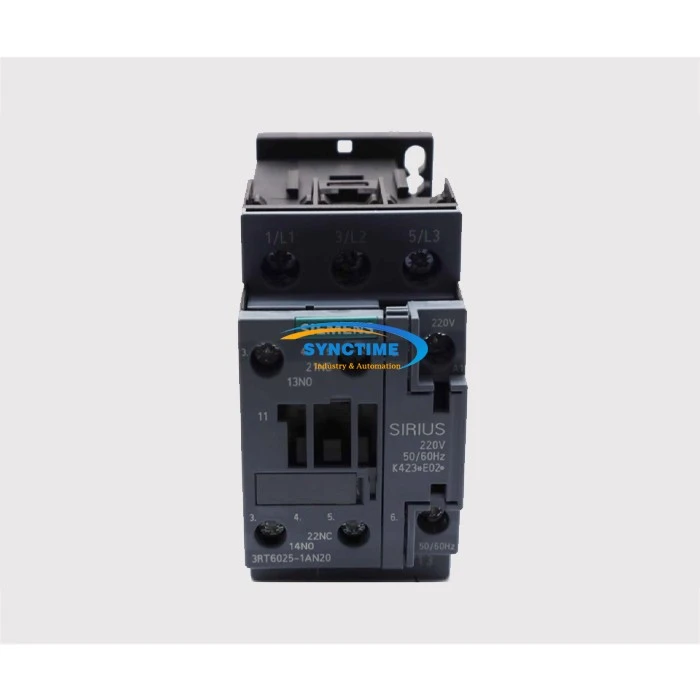
3RT6025-1AN20 3RT6026-1AN20 Contactor
The 3RT6025-1AN20 and 3RT6026-1AN20 Contactors are also popular alternatives. Analyzing the differences in their diagnostic indicators and performance can provide valuable insights into the S-N180's operation. For example, if the S-N180 shows higher energy consumption compared to these contactors, it may indicate an inefficiency in the S-N180's design or operation.
S-N220 Magnetic Contactor
The S-N220 Magnetic Contactor is a related product in the same series. Comparing the diagnostic indicators of the S-N180 with the S-N220 can help identify any model-specific issues. If the S-N180 has a higher failure rate in a particular diagnostic parameter compared to the S-N220, it may suggest a design flaw or a manufacturing defect in the S-N180.
Conclusion
In conclusion, the diagnostic indicators of the S-N180 are diverse and encompass electrical parameters, temperature, mechanical condition, and comparison with similar products. By regularly monitoring these indicators, operators can detect potential issues early on, take appropriate preventive measures, and ensure the reliable and efficient operation of the S-N180.
If you're interested in learning more about the S-N180 or have any questions regarding its performance and maintenance, feel free to reach out to us. We're always here to assist you in making the most of this high-quality product. Whether you're looking to purchase the S-N180 or need technical support, we're ready to engage in a productive discussion.
References
- Manufacturer's manual for the S-N180
- Industry standards and guidelines for electrical contactors
- Technical literature on electrical and mechanical diagnostics
Send Inquiry