


What are the anti - corrosion measures for valves and regulators?
Nov 25, 2025
Leave a message
Hey there! As a supplier of valves and regulators, I've seen firsthand how corrosion can be a real headache in the industry. Corrosion not only shortens the lifespan of these crucial components but also affects their performance, leading to potential safety hazards and increased maintenance costs. In this blog, I'm going to share some effective anti - corrosion measures for valves and regulators that you can implement.
Understanding Corrosion in Valves and Regulators
Before we dive into the anti - corrosion measures, let's quickly understand what causes corrosion in valves and regulators. Corrosion is basically a chemical reaction between the metal of the valve or regulator and its environment. Factors like moisture, chemicals in the fluid being controlled, and the presence of oxygen can all trigger corrosion. For instance, if you're using valves in a marine environment, the high salt content in the air and water can accelerate the corrosion process.
Material Selection
One of the most fundamental anti - corrosion measures starts right at the design and manufacturing stage: choosing the right materials. Different metals have different levels of resistance to corrosion.
- Stainless Steel: This is a popular choice for valves and regulators. Stainless steel contains chromium, which forms a thin, protective oxide layer on the surface. This layer acts as a barrier, preventing further corrosion. For example, 316 stainless steel is highly resistant to corrosion in many chemical environments and is often used in food and beverage processing, as well as in marine applications.
- Brass: Brass is another common material. It has good corrosion resistance, especially in low - moisture environments. However, it may not be suitable for applications where it will be exposed to certain chemicals, like ammonia.
- Plastic and Composite Materials: In some cases, plastic or composite materials can be used. They are non - metallic, so they are inherently resistant to corrosion. For example, polyvinyl chloride (PVC) valves are often used in water treatment plants because they can withstand the chemicals used in the treatment process.
Coating and Plating
Applying a coating or plating to the surface of valves and regulators can significantly enhance their corrosion resistance.
- Epoxy Coatings: Epoxy coatings are widely used because they provide a tough, protective layer. They can be applied to both the interior and exterior of valves and regulators. Epoxy coatings are resistant to a wide range of chemicals and can also withstand high temperatures in some cases.
- Zinc Plating: Zinc plating is a cost - effective way to protect steel valves and regulators. Zinc acts as a sacrificial anode, meaning it corrodes first before the underlying steel. This helps to extend the life of the component.
- Powder Coating: Powder coating is a dry finishing process that results in a durable, uniform coating. It can be customized to provide different levels of corrosion resistance and can also improve the aesthetic appearance of the valves and regulators.
Proper Installation and Maintenance
Even with the right materials and coatings, proper installation and maintenance are crucial for preventing corrosion.
- Installation: During installation, make sure that the valves and regulators are properly aligned and tightened. Improper installation can cause stress on the components, which may lead to cracks or gaps where corrosion can start. Also, avoid installing them in areas where they will be exposed to excessive moisture or chemicals.
- Regular Inspections: Conduct regular inspections of the valves and regulators. Look for signs of corrosion, such as rust, discoloration, or pitting. If you notice any issues, address them immediately. You can use non - destructive testing methods, like ultrasonic testing, to detect internal corrosion.
- Cleaning and Lubrication: Keep the valves and regulators clean. Remove any dirt, debris, or chemical residues that may accumulate on the surface. Lubrication is also important, especially for moving parts. It helps to prevent friction and wear, which can expose the metal to corrosion.
Environmental Control
Controlling the environment around the valves and regulators can also help to prevent corrosion.
- Moisture Control: Moisture is one of the main culprits in corrosion. You can use dehumidifiers in enclosed spaces to reduce the humidity level. In outdoor applications, make sure that the valves and regulators are protected from rain and snow.
- Chemical Control: If the fluid being controlled contains corrosive chemicals, you may need to treat the fluid or use valves and regulators that are specifically designed to handle those chemicals. For example, if you're dealing with acidic fluids, you can use valves made from acid - resistant materials.
Monitoring and Predictive Maintenance
With the advancement of technology, we now have tools to monitor the condition of valves and regulators in real - time.
- Corrosion Sensors: These sensors can be installed on the valves and regulators to detect the early signs of corrosion. They work by measuring changes in electrical conductivity or other parameters that indicate the presence of corrosion.
- Predictive Maintenance Software: Using data from the sensors and other sources, predictive maintenance software can analyze the condition of the components and predict when maintenance is needed. This helps to prevent unexpected failures due to corrosion.
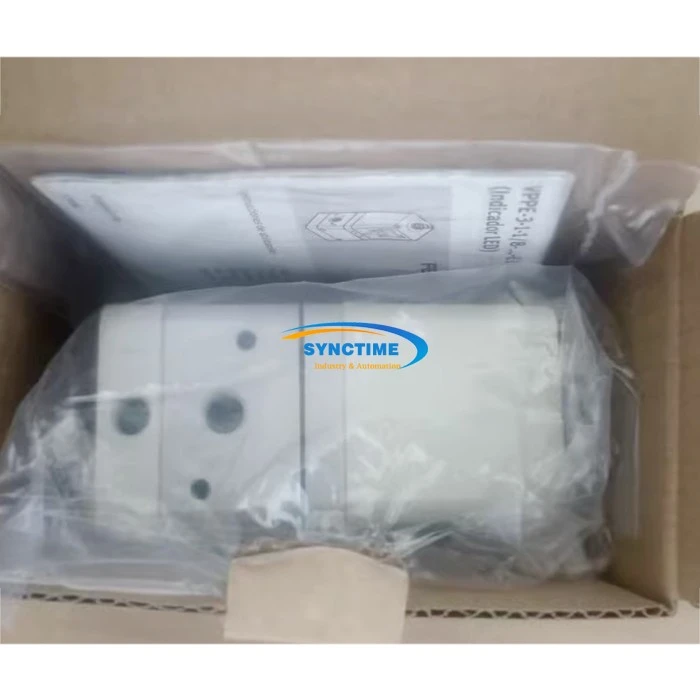
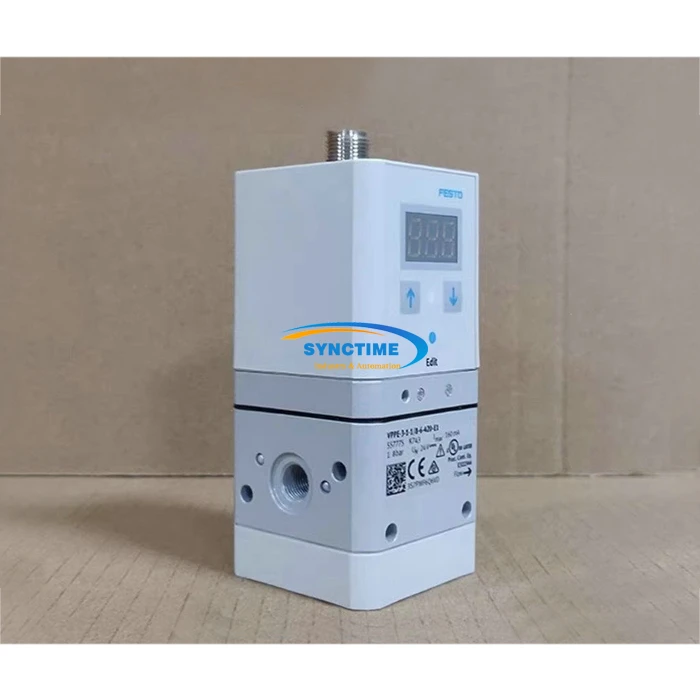
Example: VPPE - 3 - 1 - 1/8 - 6 - 010 - E1 Regulator
Let's take a look at the VPPE - 3 - 1 - 1/8 - 6 - 010 - E1 Regulator. This regulator is designed with anti - corrosion in mind. It is made from high - quality materials that are resistant to corrosion in various environments. The surface may also be coated with a protective layer to enhance its durability. Whether you're using it in a chemical plant or a pneumatic system, following the anti - corrosion measures I've mentioned above can further extend its lifespan and ensure optimal performance.
Conclusion
Corrosion is a serious issue in the world of valves and regulators, but with the right measures, it can be effectively managed. By choosing the right materials, applying coatings, ensuring proper installation and maintenance, controlling the environment, and using monitoring tools, you can significantly reduce the risk of corrosion and keep your valves and regulators in top shape.
If you're in the market for high - quality valves and regulators and want to learn more about how to protect them from corrosion, don't hesitate to get in touch. We're here to help you find the best solutions for your specific needs and ensure that your systems run smoothly and safely.
References
- "Corrosion Prevention and Control in the Oil and Gas Industry" by NACE International
- "Handbook of Valves" by Valve Manufacturers Association of America
- Various technical documents from valve and regulator manufacturers
Send Inquiry