


How to troubleshoot inverter problems?
Oct 09, 2025
Leave a message
Hey there! As an inverter supplier, I've seen my fair share of inverter problems over the years. Inverters are super important in lots of industrial and home setups, but they can act up sometimes. In this blog, I'll share some tips on how to troubleshoot common inverter problems.
Power - related Issues
One of the most common problems you'll encounter with inverters is power - related issues. If your inverter won't turn on, the first thing to check is the power source. Make sure the inverter is properly connected to the power supply. Sometimes, a loose connection can cause the inverter to lose power.
Check the circuit breaker or fuse associated with the inverter. A tripped breaker or a blown fuse can cut off the power supply. If you find a blown fuse, replace it with a fuse of the same rating. Don't use a higher - rated fuse, as it can cause damage to the inverter.
Another power - related problem is low output voltage. If you notice that the voltage output of your inverter is lower than normal, it could be due to a faulty battery. For inverters that are battery - powered, check the battery's charge level. A weak or discharged battery can't supply enough power to the inverter, resulting in low output voltage. You may need to charge or replace the battery.
Overheating
Inverters generate heat during operation, but excessive heat can be a sign of trouble. Overheating can cause the inverter to shut down automatically to prevent damage. If your inverter is overheating, the first thing to do is check the ventilation. Make sure the inverter has enough space around it for proper air circulation.
Dust and debris can accumulate on the inverter's cooling fins and block the airflow. Use a soft brush or compressed air to clean the cooling fins regularly. This will help the inverter dissipate heat more effectively.
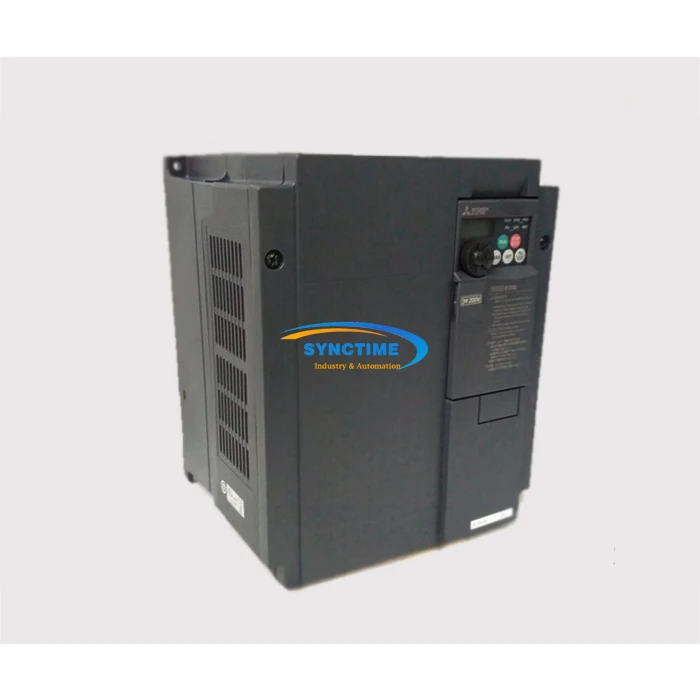
Sometimes, overheating can be caused by overloading the inverter. Check the power rating of the inverter and make sure you're not connecting too many devices to it. For example, if you have a FR - E720 - 3.7K Inverter 3.7KW, make sure the total power consumption of the connected devices doesn't exceed 3.7KW.
Error Codes
Many modern inverters come with a display that shows error codes when a problem occurs. These error codes can give you a clue about what's wrong with the inverter. Refer to the inverter's user manual to understand the meaning of the error codes.
For example, an error code might indicate a problem with the internal components of the inverter, such as a faulty capacitor or a damaged circuit board. If you're not comfortable troubleshooting internal components, it's best to contact a professional technician.
Noise and Vibration
Unusual noise or vibration from an inverter can be a sign of a problem. If you hear a rattling or humming noise, it could be due to loose components inside the inverter. Open the inverter (only if you're qualified to do so) and check for any loose screws or wires. Tighten any loose parts to eliminate the noise.
Vibration can also be caused by an unbalanced load. Make sure the devices connected to the inverter are evenly distributed. If the vibration persists, it could be a sign of a more serious mechanical problem, and you may need to have the inverter inspected by a professional.
Communication Issues
Some inverters are designed to communicate with other devices, such as monitoring systems or control panels. If you're having trouble with the communication between the inverter and other devices, check the communication cables. Make sure they're properly connected and not damaged.
Check the communication settings on both the inverter and the connected device. Incorrect settings can prevent the devices from communicating effectively. Refer to the user manuals of both the inverter and the connected device to configure the communication settings correctly.
Faulty Output
If the inverter is producing a faulty output, such as distorted waveforms or intermittent power, it could be due to a problem with the inverter's internal circuitry. This is a more complex issue that usually requires professional diagnosis and repair.
In some cases, a faulty output can be caused by a problem with the input power quality. Check the input power for any fluctuations or surges. You may need to install a power conditioner to stabilize the input power.
Specific Troubleshooting for FR - E720 - 11K FR - E720 - 15K Inverter
For the FR - E720 - 11K FR - E720 - 15K Inverter, if you encounter problems like abnormal motor operation, check the parameter settings. These inverters have a wide range of adjustable parameters that control the motor's speed, torque, and other functions. Incorrect parameter settings can lead to poor motor performance.
If the inverter trips frequently, it could be due to overcurrent or overvoltage conditions. Check the connected load and the input power supply to identify the source of the problem.
Specific Troubleshooting for FR - E720 - 2.2K Inverter 3PH 2.2KW
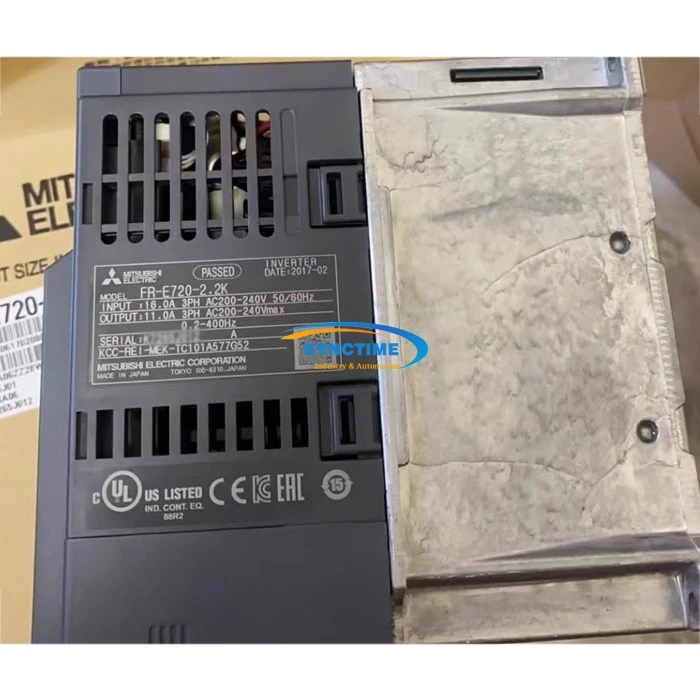
The FR - E720 - 2.2K Inverter 3PH 2.2KW is a popular choice for small - scale applications. If you notice that the inverter is not starting up, check the control circuit. A faulty control circuit can prevent the inverter from initializing.
Also, check the input voltage for this inverter. It's designed to operate within a specific voltage range. If the input voltage is outside this range, it can cause the inverter to malfunction.
Conclusion
Troubleshooting inverter problems can seem daunting, but by following these steps, you can identify and fix many common issues. Remember, if you're not sure about something or if the problem persists, it's always a good idea to seek professional help.
If you're in the market for a new inverter or need replacement parts, I'm here to assist you. As an inverter supplier, I can offer you high - quality inverters and expert advice. Whether you need a FR - E720 - 11K FR - E720 - 15K Inverter, a FR - E720 - 3.7K Inverter 3.7KW, or a FR - E720 - 2.2K Inverter 3PH 2.2KW, I've got you covered. Contact me to start a discussion about your inverter needs and let's find the best solution for you.
References
- Inverter user manuals
- Industry - standard electrical engineering textbooks
- Technical bulletins from inverter manufacturers
Send Inquiry