


What materials are contactor contacts made of?
Oct 23, 2025
Leave a message
Hey there! As a contactor supplier, I often get asked about what materials contactor contacts are made of. It's a super important question because the material of the contacts can have a huge impact on the performance and lifespan of the contactor. So, let's dive right in and explore the different materials used for contactor contacts.
1. Silver (Ag)
Silver is one of the most commonly used materials for contactor contacts, and for good reason. It has excellent electrical conductivity, which means it can carry electrical current with very low resistance. This results in less power loss and heat generation during operation. Silver also has good thermal conductivity, allowing it to dissipate heat effectively.
Another great property of silver is its high resistance to corrosion. Corrosion can cause the contacts to degrade over time, leading to increased resistance and potential failure. Silver's ability to resist corrosion helps to maintain the integrity of the contacts and ensures reliable operation.
However, silver is relatively soft, which means it can be prone to wear and deformation under high mechanical stress. To address this issue, silver is often alloyed with other metals to improve its hardness and durability. For example, silver - cadmium oxide (AgCdO) was a popular alloy in the past. It combined the good conductivity of silver with the improved hardness and arc - quenching properties provided by cadmium oxide. But due to environmental concerns regarding cadmium, its use has been restricted in many regions.
2. Silver - Tin Oxide (AgSnO₂)
With the restrictions on cadmium, silver - tin oxide has emerged as a popular alternative to silver - cadmium oxide. AgSnO₂ offers similar electrical conductivity to silver while providing better wear resistance and arc - quenching capabilities.
Tin oxide in the alloy helps to form a hard and stable surface layer on the contacts during operation. This layer reduces the tendency of the contacts to weld together under high - current arcing conditions. Welding of contacts can be a serious problem as it can lead to the contactor not being able to open properly, causing equipment damage and safety hazards.
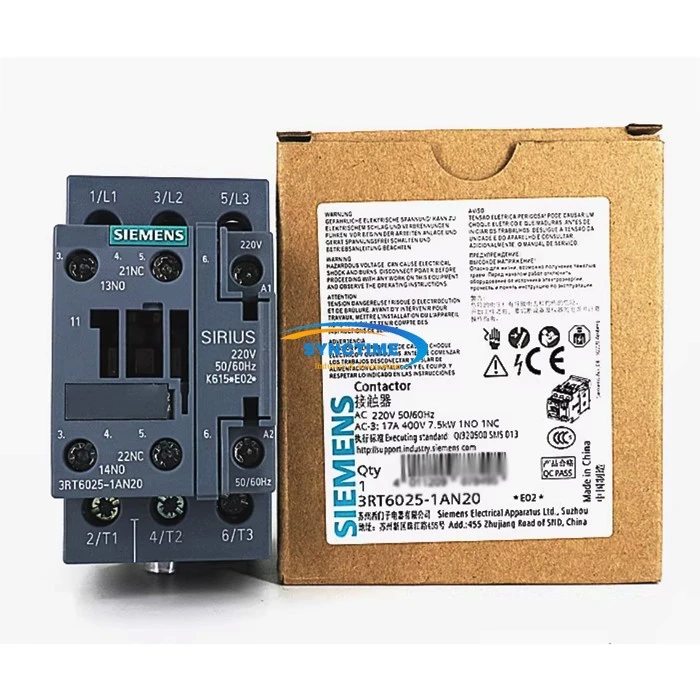
Silver - tin oxide contacts are widely used in a variety of applications, including industrial control systems, power distribution, and electrical appliances. For instance, in our 3RT6025 - 1AN20 3RT6026 - 1AN20 Contactor, we use high - quality silver - tin oxide contacts to ensure reliable and long - lasting performance.
3. Tungsten (W)
Tungsten is a very hard and refractory metal. It has a high melting point (around 3422°C), which makes it suitable for applications where the contacts are subjected to high - temperature arcing. Tungsten contacts can withstand the intense heat generated during arcing without melting or deforming easily.
In addition to its high melting point, tungsten also has good resistance to erosion. This is important in applications where the contacts experience frequent make - and - break operations, such as in some types of relays and contactors used in high - power switching circuits.
However, tungsten has relatively poor electrical conductivity compared to silver. To overcome this drawback, tungsten is often used in combination with other metals. For example, tungsten - copper (W - Cu) composites are commonly used. The copper in the composite provides good electrical conductivity, while the tungsten provides the necessary hardness and heat resistance.
4. Copper (Cu)
Copper is a widely available and relatively inexpensive metal with good electrical conductivity. It is often used in contactors for low - current and low - voltage applications. In these applications, the requirements for contact performance are not as stringent as in high - power applications.
Copper contacts are easy to manufacture and can be cost - effective for mass - produced contactors. However, copper is more prone to oxidation and corrosion compared to silver. Oxidation of copper can increase the contact resistance over time, which can lead to increased power loss and reduced performance.
To protect copper contacts from oxidation, they are often coated with a thin layer of tin or other protective materials. This coating helps to prevent the formation of copper oxide and maintain the electrical conductivity of the contacts.
5. Gold (Au)
Gold is known for its excellent electrical conductivity and its resistance to corrosion. It forms a very stable surface that does not oxidize or corrode easily, even in harsh environments. This makes gold - plated contacts ideal for applications where high reliability and low contact resistance are required, such as in electronic circuits and precision instruments.
However, gold is very expensive, so it is usually used in the form of a thin plating on a base metal, rather than as a bulk material for contactor contacts. Gold - plated contacts are often used in small - scale contactors and relays where the contact area is relatively small, and the cost of using gold can be justified by the high - performance requirements.
Factors Affecting Material Selection
When choosing the material for contactor contacts, several factors need to be considered:
- Current Rating: For high - current applications, materials with good electrical conductivity and arc - quenching capabilities, such as silver - tin oxide or tungsten - copper composites, are preferred. In low - current applications, copper or gold - plated contacts may be sufficient.
- Voltage Level: Higher voltage applications require contacts that can withstand high - voltage arcing without welding or degrading. Materials like tungsten and silver - based alloys with good arc - quenching properties are more suitable.
- Environmental Conditions: If the contactor is going to be used in a corrosive environment, materials with high corrosion resistance, such as silver or gold - plated contacts, are necessary.
- Mechanical Stress: Contacts that are subjected to high mechanical stress, such as frequent opening and closing operations, need to be made of materials with good hardness and wear resistance.
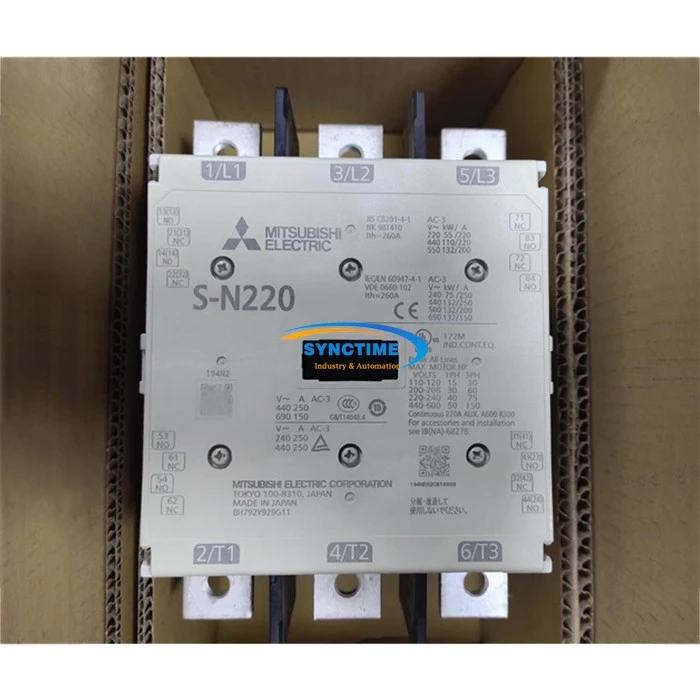
At our company, we take all these factors into account when manufacturing contactors. We offer a wide range of contactors, including the S - N220 Magnetic Contactor and S - N180 Magnetic Contactor, which are designed to meet different application requirements.
If you're in the market for contactors and have specific needs regarding contact materials or other aspects of contactor performance, we'd love to hear from you. We can provide you with detailed information about our products and help you choose the right contactor for your application. Whether you're working on an industrial project, an electrical installation, or a consumer electronics product, we have the expertise and the products to meet your needs. So, don't hesitate to reach out and start a conversation with us about your contactor procurement.
References
- "Electrical Contacts: Principles and Applications" by R. Holm
- "Handbook of Electrical Contacts" edited by R. J. Holm
Send Inquiry