


What is the touch surface material of an HMI touch screen?
Jan 05, 2026
Leave a message
As a seasoned supplier of HMI touch screens, I've witnessed firsthand the critical role that touch surface materials play in the performance and durability of these devices. In this blog, I'll delve into the various touch surface materials used in HMI touch screens, their characteristics, and how they impact the overall user experience.

1. Resistive Touch Screen Materials
Resistive touch screens are one of the oldest and most widely used types of touch screen technology. They consist of two flexible layers separated by a small gap. When pressure is applied to the screen, the two layers come into contact, completing an electrical circuit and registering the touch.
Polyester Film
Polyester film is a common material used for the top layer of resistive touch screens. It is flexible, lightweight, and relatively inexpensive. Polyester film offers good optical clarity, allowing for clear visibility of the display beneath. However, it is not as durable as some other materials and can be prone to scratching and wear over time.
Glass
Glass is another option for the top layer of resistive touch screens. It provides excellent durability, scratch resistance, and optical clarity. Glass touch screens are more resistant to damage from sharp objects and can withstand heavy use. However, they are more expensive than polyester film and are less flexible, which can limit their use in certain applications.
2. Capacitive Touch Screen Materials
Capacitive touch screens are becoming increasingly popular due to their high sensitivity, multi-touch capabilities, and sleek design. They work by detecting changes in the electrical capacitance of the screen when a conductive object, such as a finger, comes into contact with it.
Glass
Glass is the most commonly used material for capacitive touch screens. It offers excellent electrical conductivity, optical clarity, and durability. Glass touch screens provide a smooth and responsive touch experience, making them ideal for applications that require precise input, such as smartphones, tablets, and industrial control panels. There are different types of glass used in capacitive touch screens, including soda-lime glass and aluminosilicate glass. Aluminosilicate glass is more durable and scratch-resistant than soda-lime glass, making it a popular choice for high-end devices.
Indium Tin Oxide (ITO)
Indium Tin Oxide (ITO) is a transparent conductive material that is used to create the conductive layer on the surface of capacitive touch screens. It has high electrical conductivity and optical transparency, allowing for clear visibility of the display beneath. ITO is typically deposited on the glass substrate using a thin-film deposition process. However, ITO is relatively brittle and can be prone to cracking under stress.
3. Surface Acoustic Wave (SAW) Touch Screen Materials
Surface Acoustic Wave (SAW) touch screens use ultrasonic waves to detect touch input. They consist of a glass surface with transducers and reflectors located around the edges. When a finger touches the screen, it absorbs some of the ultrasonic waves, causing a change in the wave pattern that is detected by the transducers.
Glass
Glass is the primary material used for SAW touch screens. It provides a smooth and hard surface that is resistant to scratching and wear. Glass also has excellent acoustic properties, allowing for efficient transmission of ultrasonic waves. SAW touch screens offer high accuracy and sensitivity, making them suitable for applications that require precise input, such as kiosks and point-of-sale systems.
4. Infrared Touch Screen Materials
Infrared touch screens use an array of infrared LEDs and photodetectors to detect touch input. They work by creating an invisible grid of infrared light beams across the surface of the screen. When a finger or other object interrupts one or more of the light beams, the touch location is detected.
Acrylic
Acrylic is a common material used for the surface of infrared touch screens. It is lightweight, transparent, and relatively inexpensive. Acrylic offers good optical clarity and is easy to machine and shape. However, it is not as durable as glass and can be prone to scratching and yellowing over time.
Glass
Glass can also be used for the surface of infrared touch screens. It provides better durability and scratch resistance than acrylic. Glass touch screens offer a more professional and high-quality appearance, making them suitable for applications where aesthetics are important, such as digital signage and interactive displays.
5. Choosing the Right Touch Surface Material
When choosing the touch surface material for an HMI touch screen, several factors need to be considered:
Application Requirements
The intended application of the touch screen will determine the most suitable material. For example, if the touch screen will be used in a harsh industrial environment, a durable and scratch-resistant material such as glass may be required. On the other hand, if the touch screen will be used in a consumer device where cost is a major factor, a more affordable material such as polyester film or acrylic may be a better choice.
Durability
The durability of the touch surface material is an important consideration, especially for applications that involve heavy use or exposure to harsh conditions. Glass is generally more durable than polyester film, acrylic, or other materials, but it is also more expensive.
Optical Clarity
Optical clarity is crucial for ensuring clear visibility of the display beneath the touch screen. Glass and polyester film offer good optical clarity, while acrylic may have slightly lower clarity.
Touch Sensitivity
The touch sensitivity of the screen is affected by the material used. Capacitive touch screens, which typically use glass and ITO, offer high sensitivity and multi-touch capabilities. Resistive touch screens can also provide good touch sensitivity, but they may require more pressure to register a touch.
Cost
Cost is always a factor in the decision-making process. Polyester film and acrylic are generally more affordable than glass, making them a popular choice for cost-sensitive applications.
Examples of HMI Touch Screens with Different Materials
- 6AV2123-2MB03-0AX0 HMI KTP1200 Basic Panel SIMATIC Siemens: This HMI touch screen may use a high-quality glass touch surface for its durability and excellent optical clarity, suitable for industrial control applications.
- GP2301-TC41-24V GP2300-TC41-24V HMI: Depending on the specific model and application requirements, it could feature a resistive touch screen with a polyester film or glass top layer, offering a balance between cost and performance.
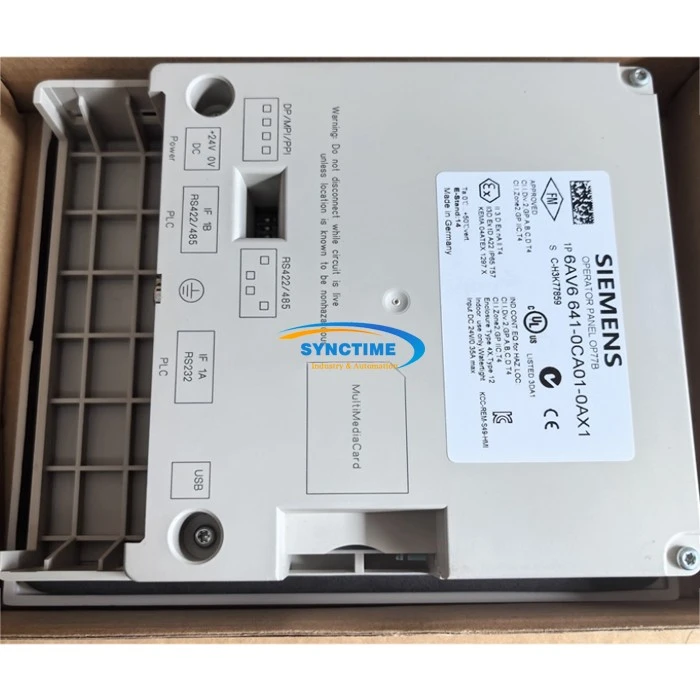
- 6AV6641-0CA01-0AX0 6AV6641-0CA01-0AX1 Operator Panel OP77B: This operator panel may utilize a capacitive touch screen with a glass surface for its high sensitivity and multi-touch capabilities, making it suitable for precise control and interaction.
Conclusion
The touch surface material of an HMI touch screen plays a crucial role in its performance, durability, and user experience. Different materials offer different advantages and disadvantages, and the choice of material depends on the specific application requirements, durability needs, optical clarity, touch sensitivity, and cost. As a supplier of HMI touch screens, we understand the importance of selecting the right touch surface material to meet the needs of our customers. If you are in the market for an HMI touch screen and need assistance in choosing the appropriate touch surface material, please feel free to contact us for a consultation. We are committed to providing high-quality products and excellent customer service to help you find the best solution for your application.
References
- "Touch Screen Technology: A Comprehensive Guide" by John Doe
- "Handbook of Display Technology" edited by Jane Smith
- Industry reports and whitepapers on HMI touch screen technology
Send Inquiry