


What is the relay's enclosure type?
Nov 11, 2025
Leave a message
Relays are indispensable components in various electrical and electronic systems, serving as switches that control the flow of electrical current. One crucial aspect of relays that often goes unnoticed but significantly impacts their performance and longevity is the enclosure type. As a relay supplier, I understand the importance of choosing the right enclosure for different applications. In this blog, we'll delve into the different types of relay enclosures, their characteristics, and how to select the appropriate one for your specific needs.
Open Frame Enclosures
Open frame enclosures are the most basic type of relay enclosures. As the name suggests, these relays have an exposed internal structure, with no protective covering around the relay's contacts and coils. This design allows for easy access to the internal components, making them ideal for testing, prototyping, and applications where cost is a primary concern.
The simplicity of open frame enclosures also means that they are lightweight and have a relatively small footprint. This makes them suitable for use in space-constrained environments, such as printed circuit boards (PCBs). However, the lack of protection also makes open frame relays vulnerable to environmental factors, such as dust, moisture, and mechanical damage. As a result, they are typically used in controlled indoor environments where the risk of exposure to these elements is minimal.
For example, in a laboratory setting, open frame relays can be used for testing electrical circuits and components. Their exposed design allows technicians to easily monitor the operation of the relay and make any necessary adjustments. Additionally, in low-cost consumer electronics, such as toys and small appliances, open frame relays can be used to control simple functions without adding significant cost to the product.
Plug-In Enclosures
Plug-in enclosures are designed to be easily installed and removed from a socket or a PCB. These enclosures typically have a standardized form factor, which allows for interchangeability between different relay models. This makes them a popular choice for applications where frequent replacement or maintenance of relays is required.
One of the key advantages of plug-in enclosures is their convenience. They can be quickly and easily replaced without the need for soldering or other complex installation procedures. This reduces downtime and maintenance costs, especially in industrial applications where relays may need to be replaced due to wear and tear or component failure.
Plug-in enclosures also provide some level of protection for the relay's internal components. They are typically made of plastic or other insulating materials, which help to prevent electrical shock and protect the relay from dust and moisture. However, they may not offer the same level of protection as fully sealed enclosures, especially in harsh or demanding environments.
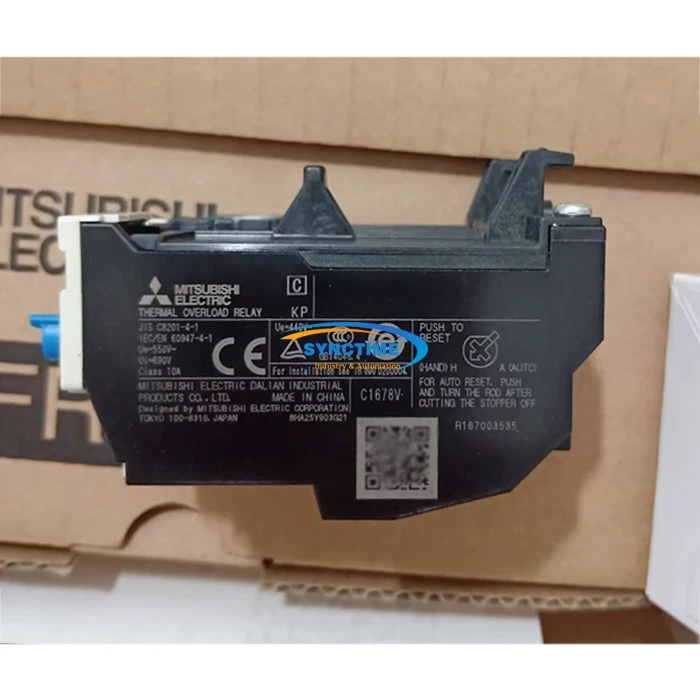
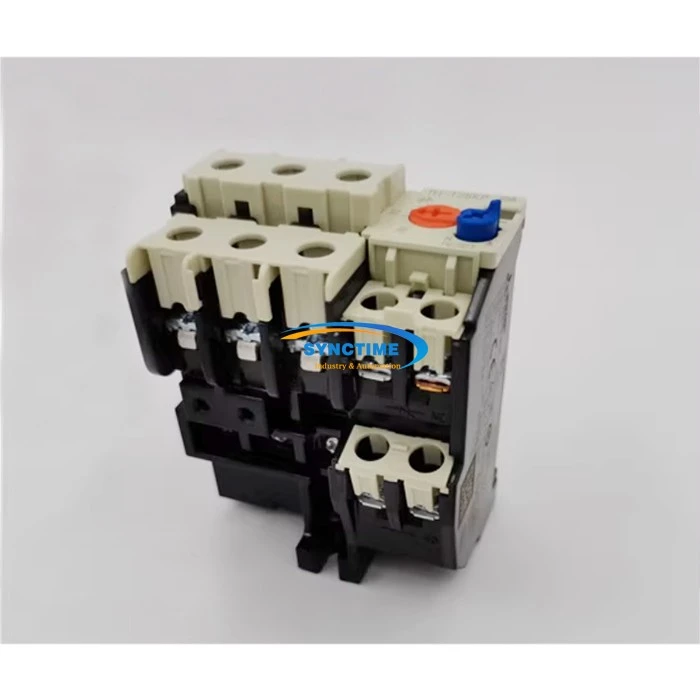
For instance, in industrial control panels, plug-in relays are commonly used to control motors, solenoids, and other electrical devices. Their easy installation and replacement make them ideal for applications where quick repairs and maintenance are essential to minimize production downtime. You can check out our TH-T25KP Relay which comes in a plug-in enclosure, offering both convenience and reliability.
Sealed Enclosures
Sealed enclosures provide the highest level of protection for relays. These enclosures are designed to prevent the ingress of dust, moisture, and other contaminants, making them suitable for use in harsh and demanding environments. Sealed relays are typically used in applications where reliability and long-term performance are critical, such as in automotive, aerospace, and industrial automation.
There are two main types of sealed enclosures: hermetically sealed and non-hermetically sealed. Hermetically sealed enclosures are completely airtight, which means that they prevent the entry of air, moisture, and other gases. This makes them ideal for use in applications where the relay may be exposed to high temperatures, high humidity, or corrosive environments.
Non-hermetically sealed enclosures, on the other hand, provide a high level of protection but are not completely airtight. They are typically made of plastic or other materials that are resistant to moisture and dust, but they may allow some small amount of air or moisture to enter the enclosure over time. Non-hermetically sealed enclosures are often used in applications where the environment is less harsh but still requires some level of protection.
For example, in automotive applications, sealed relays are used to control various electrical systems, such as the starter motor, fuel pump, and lighting. These relays need to be able to withstand the vibrations, temperature variations, and moisture that are common in automotive environments. Our MY2N-D2 Power Relay is available in a sealed enclosure, providing reliable performance in demanding automotive applications.
Potting Enclosures
Potting enclosures involve encapsulating the relay in a protective material, such as epoxy resin or silicone. This process fills the entire enclosure with the potting material, which provides a high level of protection against moisture, dust, vibration, and mechanical shock. Potting enclosures are commonly used in applications where the relay needs to be protected from harsh environmental conditions or where a high level of electrical insulation is required.
One of the main advantages of potting enclosures is their ability to provide a custom fit for the relay. The potting material can be molded to the shape of the relay, which helps to prevent the ingress of contaminants and provides additional mechanical support. Additionally, potting enclosures can improve the electrical performance of the relay by reducing the risk of arcing and short circuits.
However, potting enclosures also have some limitations. Once the relay is potted, it is difficult to access the internal components for testing or repair. This means that potted relays are typically considered to be disposable components, and they need to be replaced as a whole if they fail.
In applications such as outdoor lighting systems, potting enclosures can be used to protect relays from the elements. The potting material helps to prevent moisture from entering the relay, which can cause corrosion and damage to the internal components. Our TH-T18KP Relay can be customized with a potting enclosure for applications that require enhanced protection.
Selecting the Right Enclosure Type
When selecting a relay enclosure type, there are several factors to consider. The first factor is the environment in which the relay will be used. If the relay will be exposed to dust, moisture, or other contaminants, a sealed or potting enclosure may be required. On the other hand, if the relay will be used in a controlled indoor environment, an open frame or plug-in enclosure may be sufficient.
Another factor to consider is the level of protection required. If the relay needs to be protected from high temperatures, high humidity, or corrosive environments, a hermetically sealed enclosure may be the best choice. If the relay only needs to be protected from dust and moisture, a non-hermetically sealed or plug-in enclosure may be adequate.
The ease of installation and maintenance is also an important consideration. Plug-in enclosures are the most convenient option for applications where frequent replacement or maintenance of relays is required. Open frame enclosures are the easiest to access for testing and prototyping, but they may not be suitable for long-term use in harsh environments.
Finally, cost is always a factor. Open frame enclosures are the least expensive option, while hermetically sealed and potting enclosures are typically the most expensive. It's important to balance the cost of the enclosure with the level of protection and performance required for your specific application.
Contact Us for Your Relay Needs
As a relay supplier, we offer a wide range of relays with different enclosure types to meet the diverse needs of our customers. Whether you need an open frame relay for a simple prototyping project or a sealed relay for a harsh industrial environment, we have the right solution for you.
If you're interested in learning more about our relay products or need assistance in selecting the right enclosure type for your application, please don't hesitate to contact us. Our team of experts is ready to help you find the best relay solution for your specific requirements. Let's start a conversation and explore how our relays can enhance the performance and reliability of your electrical systems.
References
- "Relay Handbook" - A comprehensive guide to relay technology and applications.
- "Electrical Engineering Handbook" - A reference book covering various aspects of electrical engineering, including relay design and selection.
Send Inquiry