


What is the insulation resistance of a contactor?
Oct 27, 2025
Leave a message
Insulation resistance is a critical parameter in electrical components, especially in contactors. As a contactor supplier, I understand the importance of explaining this concept to our customers. In this blog post, I'll delve into what insulation resistance is, why it matters in contactors, and how it impacts the performance and safety of electrical systems.
What is Insulation Resistance?
Insulation resistance refers to the electrical resistance between conductive parts that are separated by an insulating material. In the context of a contactor, it is the resistance between the conductive contacts and the contactor's frame or other non - conductive parts. This resistance is measured in ohms (Ω) and is typically quite high, often in the range of megohms (MΩ).
The insulation material in a contactor serves two primary purposes. Firstly, it prevents electrical current from flowing where it shouldn't, such as from the contacts to the frame. This is crucial for safety, as it reduces the risk of electrical shock to operators and damage to surrounding equipment. Secondly, it helps maintain the integrity of the electrical circuit by ensuring that the current flows only through the intended path.
Measuring Insulation Resistance
To measure the insulation resistance of a contactor, a special instrument called a megohmmeter, or "megger," is commonly used. The megger applies a test voltage to the insulation and measures the resulting current. Using Ohm's law (R = V/I), the insulation resistance can be calculated.
When measuring the insulation resistance of a contactor, it's important to follow proper procedures. The contactor should be disconnected from the power source to avoid any interference from the live current. The test voltage applied by the megger should be appropriate for the contactor's rated voltage. For low - voltage contactors, a test voltage of 500V DC is often used, while for high - voltage contactors, a higher test voltage may be required.
Why Insulation Resistance Matters in Contactors
Safety
One of the most significant reasons insulation resistance is important in contactors is safety. A low insulation resistance indicates that there may be a breakdown in the insulation material. This can lead to electrical leakage, which poses a serious risk of electric shock to personnel working on or near the equipment. In industrial settings, where contactors are widely used, ensuring proper insulation resistance is a key part of safety protocols.
Equipment Performance
Insulation resistance also affects the performance of the contactor and the overall electrical system. If the insulation resistance is too low, it can lead to power losses due to leakage current. This not only wastes energy but can also cause overheating of the contactor and other components. Over time, overheating can damage the insulation further, leading to a vicious cycle of decreasing insulation resistance and increasing problems.
Reliability
A contactor with good insulation resistance is more reliable. Electrical breakdowns due to insulation failure can cause unexpected downtime in industrial processes. This can be costly in terms of lost production, repairs, and potential damage to other equipment. By maintaining proper insulation resistance, the contactor is less likely to fail prematurely, ensuring a more stable and reliable electrical system.
Factors Affecting Insulation Resistance
Temperature
Temperature has a significant impact on insulation resistance. As the temperature increases, the insulation resistance of a contactor generally decreases. This is because higher temperatures can cause the insulation material to expand and become more conductive. In high - temperature environments, it's important to monitor the insulation resistance more closely and take appropriate measures to ensure it remains within acceptable limits.
Humidity
Humidity can also affect insulation resistance. Moisture can penetrate the insulation material, reducing its resistance. In humid or wet environments, contactors may be more prone to insulation failure. Special coatings or enclosures can be used to protect the contactor from moisture and maintain its insulation resistance.
Contamination
Contamination from dust, dirt, or chemicals can also lower the insulation resistance of a contactor. These contaminants can act as conductors, providing a path for electrical current to leak through the insulation. Regular cleaning and maintenance of contactors are essential to prevent contamination and maintain proper insulation resistance.
Our Contactors and Insulation Resistance
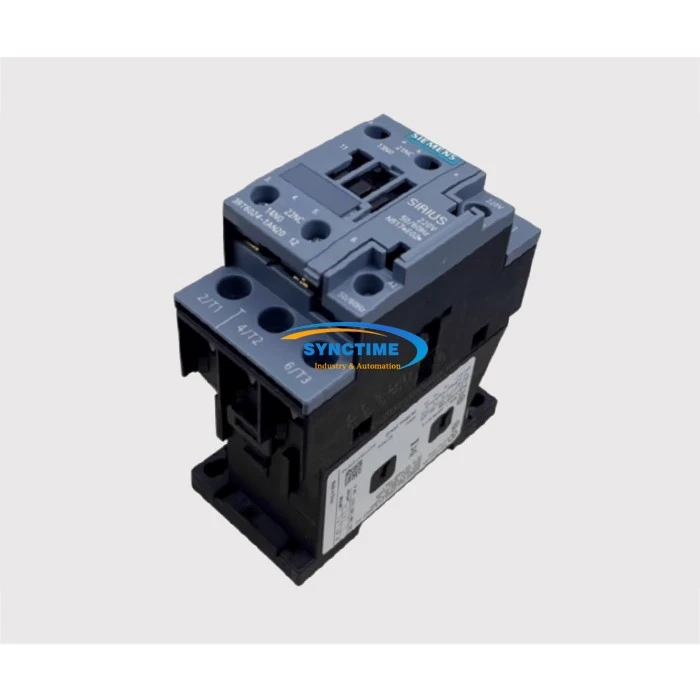
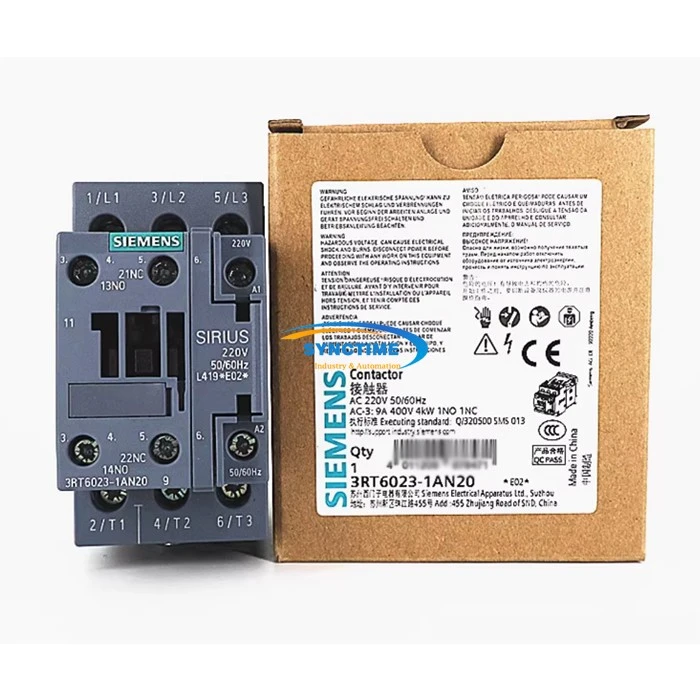
At our company, we take insulation resistance very seriously. We use high - quality insulation materials in our contactors to ensure excellent insulation performance. For example, our 3RT6023 - 1AN20 3RT6024 - 1AN20 Contactor and 3RT6025 - 1AN20 3RT6026 - 1AN20 Contactor are designed with advanced insulation technology to provide high insulation resistance even in challenging environments.
Our S - N180 Magnetic Contactor also undergoes rigorous testing to ensure its insulation resistance meets or exceeds industry standards. We test each contactor during the manufacturing process and provide detailed insulation resistance data to our customers.
Maintaining Insulation Resistance
To maintain the insulation resistance of our contactors, we recommend the following:
Regular Inspection
Regularly inspect the contactors for any signs of damage or contamination. Look for cracks in the insulation, dirt buildup, or signs of overheating. If any issues are detected, they should be addressed immediately.
Cleaning
Clean the contactors periodically to remove any dust, dirt, or other contaminants. Use a clean, dry cloth or a mild cleaning solution if necessary. Avoid using abrasive materials that could damage the insulation.
Environment Control
Whenever possible, control the environment in which the contactors are installed. Keep the temperature and humidity within the recommended range for the contactors. If the environment is harsh, consider using enclosures or other protective measures.
Conclusion
Insulation resistance is a crucial aspect of contactor performance and safety. As a contactor supplier, we are committed to providing high - quality contactors with excellent insulation resistance. Our products, such as the 3RT6023 - 1AN20 3RT6024 - 1AN20 Contactor, 3RT6025 - 1AN20 3RT6026 - 1AN20 Contactor, and S - N180 Magnetic Contactor, are designed and tested to meet the highest standards of insulation performance.
If you are in the market for contactors and want to ensure that you are getting a product with reliable insulation resistance, we invite you to contact us for more information and to discuss your specific requirements. Our team of experts is ready to assist you in finding the right contactor for your application.
References
- Electrical Installation Handbook, Schneider Electric
- Electrical Engineering Handbook, CRC Press
- Insulation Resistance Testing Guide, Megger
Send Inquiry