


What is the input voltage of an inverter?
Dec 11, 2025
Leave a message
Hey there! As an inverter supplier, I often get asked about the input voltage of inverters. It's a crucial topic because the right input voltage ensures that the inverter works efficiently and safely. So, let's dive right into it and explore what the input voltage of an inverter is all about.
Understanding Inverters
First off, let's quickly go over what an inverter does. An inverter is a device that converts direct current (DC) to alternating current (AC). You'll find inverters in all sorts of places, from small electronic gadgets to large industrial setups. They're super important in solar power systems, where they turn the DC electricity generated by solar panels into AC electricity that can be used in homes or fed back into the grid.
Factors Affecting Input Voltage
The input voltage of an inverter isn't a one - size - fits - all thing. There are several factors that can influence it.
Source of Power
The source of power is a major factor. For example, in a solar power system, the input voltage depends on the number and configuration of solar panels. Solar panels produce DC voltage, and by connecting them in series or parallel, you can adjust the overall input voltage to the inverter. If you connect panels in series, the voltages add up. So, if you have two 12 - volt solar panels connected in series, the total voltage going into the inverter will be 24 volts. On the other hand, connecting panels in parallel keeps the voltage the same but increases the current.
Inverter Design
Different inverters are designed to handle different input voltages. Some inverters are made for low - voltage applications, like those used in small off - grid systems with a 12 - volt battery bank. Others are built for high - voltage applications, such as large commercial solar installations where the input voltage can be several hundred volts.
Load Requirements
The load that the inverter is powering also plays a role. If you're powering a small load, like a few LED lights or a small fan, a low - voltage inverter might be sufficient. But if you're running heavy - duty equipment like industrial motors or large air conditioners, you'll need an inverter with a higher input voltage to provide enough power.
Common Input Voltages
There are some common input voltages that you'll come across in the world of inverters.
12 Volts
A 12 - volt input voltage is quite common in small - scale applications. You'll often see it in RVs, boats, and small off - grid solar systems. These systems usually have a 12 - volt battery bank, and the inverter takes the DC power from the battery and converts it to AC. For example, if you want to power a small TV or a laptop in your RV, a 12 - volt inverter can do the job.
24 Volts
24 - volt input voltage is used in medium - sized systems. It's a good balance between the low - voltage 12 - volt systems and the higher - voltage systems. Many small to medium - sized solar power systems for homes use a 24 - volt battery bank and an inverter designed to handle that input voltage. This setup can power a wider range of appliances, like refrigerators and small power tools.
48 Volts
48 - volt input voltage is common in larger solar power systems and some industrial applications. With a 48 - volt system, you can transmit power more efficiently over longer distances, and it can handle larger loads. For example, in a commercial building with a solar power installation, a 48 - volt inverter might be used to power multiple offices' worth of equipment.
Importance of Correct Input Voltage
Using the correct input voltage is crucial for the proper functioning of an inverter.
Efficiency
When the input voltage matches the inverter's design specifications, the inverter operates at its highest efficiency. This means that less energy is wasted as heat, and more of the input power is converted into useful AC power. For example, if you use a 24 - volt inverter with a 12 - volt input, the inverter will have to work harder to convert the power, resulting in lower efficiency and potentially overheating.
Safety
Using the wrong input voltage can also be a safety hazard. If the input voltage is too high, it can damage the inverter's internal components, leading to a short - circuit or even a fire. On the other hand, if the input voltage is too low, the inverter might not be able to provide enough power to the load, and it could malfunction.
Our Inverter Products
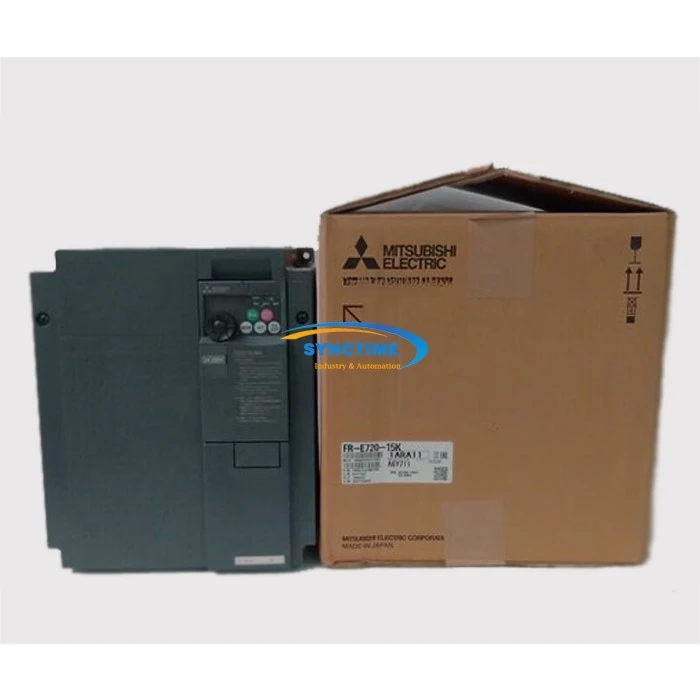
As an inverter supplier, we offer a wide range of inverters with different input voltages to meet various needs. For example, we have the FR-E720-11K FR-E720-15K Inverter, which is designed for specific industrial applications. This inverter can handle a certain input voltage range that is optimized for its performance.
We also have the 22C-D038A103 Frequency Inverter 18.5kw. This inverter is suitable for larger loads and has an input voltage that is carefully calibrated to ensure efficient operation.
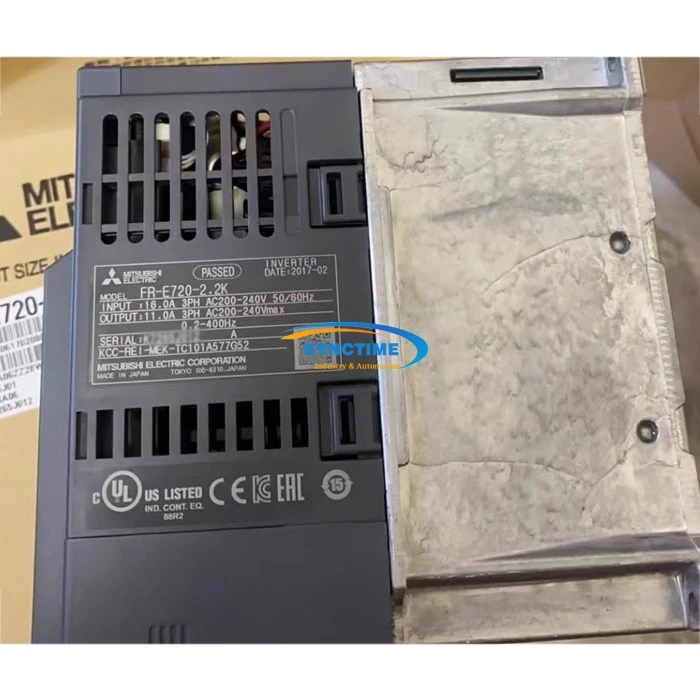
Another great product is the FR-E720-2.2K Inverter 3PH 2.2KW. It's a smaller inverter that can be used in applications where a lower power output is required, and it has an input voltage that is appropriate for its size and function.
Conclusion
In conclusion, the input voltage of an inverter is a key factor that affects its performance, efficiency, and safety. It's determined by factors like the power source, inverter design, and load requirements. As an inverter supplier, we understand the importance of providing the right inverters with the appropriate input voltages for different applications.
If you're in the market for an inverter, whether it's for a small home project or a large industrial installation, we're here to help. We can assist you in choosing the right inverter with the correct input voltage for your specific needs. Don't hesitate to reach out to us for more information and to start a procurement discussion. We're eager to work with you to find the perfect inverter solution.
References
- "Inverter Handbook" by various industry experts
- Technical documentation from inverter manufacturers
Send Inquiry