


What is the effect of the material on the thermal expansion of a cylinder?
Oct 08, 2025
Leave a message
Hey there! As a cylinder supplier, I've seen firsthand how the choice of material can have a huge impact on a cylinder's thermal expansion. In this blog, I'm gonna break down what thermal expansion is, how different materials affect it, and why it matters for your cylinder applications.
What's Thermal Expansion Anyway?
Let's start with the basics. Thermal expansion is the tendency of matter to change in volume or length in response to a change in temperature. When you heat up a material, its molecules start moving around more vigorously, which causes them to spread out. This spreading out leads to an increase in volume or length, depending on the constraints of the material.
For cylinders, thermal expansion can be a big deal. If a cylinder expands too much due to temperature changes, it can cause all sorts of problems. It might not fit properly in its housing, it could put extra stress on seals and other components, or it might even fail completely. That's why it's crucial to understand how different materials behave when it comes to thermal expansion.
How Different Materials Affect Thermal Expansion
There are a bunch of different materials used to make cylinders, and each one has its own unique thermal expansion properties. Here are some of the most common materials and how they stack up:
Aluminum
Aluminum is a popular choice for cylinders because it's lightweight, corrosion-resistant, and relatively inexpensive. But it also has a relatively high coefficient of thermal expansion. This means that it expands and contracts more than some other materials when the temperature changes.
For example, let's say you have an aluminum cylinder that's operating in an environment where the temperature fluctuates between 20°C and 80°C. The cylinder might expand by a few millimeters over that temperature range. While this might not seem like a lot, it could be enough to cause problems if the cylinder is a tight fit in its housing or if it's connected to other components that are sensitive to changes in size.
Steel
Steel is another common material for cylinders. It's strong, durable, and has a lower coefficient of thermal expansion than aluminum. This means that it expands and contracts less than aluminum when the temperature changes.
However, steel is also heavier and more expensive than aluminum. And it's more prone to corrosion if it's not properly coated or treated. So, while it might be a better choice in terms of thermal expansion, it might not be the best option for every application.
Stainless Steel
Stainless steel is a type of steel that contains chromium, which gives it excellent corrosion resistance. It also has a relatively low coefficient of thermal expansion, similar to regular steel.
Stainless steel cylinders are often used in applications where corrosion is a concern, such as in food processing, pharmaceutical manufacturing, or marine environments. They're also a good choice for applications where high strength and low thermal expansion are required.
Brass
Brass is an alloy of copper and zinc. It's known for its good machinability, corrosion resistance, and relatively low coefficient of thermal expansion.
Brass cylinders are often used in applications where a combination of strength, corrosion resistance, and low thermal expansion is required. They're also a popular choice for decorative applications because of their attractive appearance.
Why Thermal Expansion Matters for Cylinder Applications
Now that we know how different materials affect thermal expansion, let's talk about why it matters for your cylinder applications. Here are some of the main reasons:
Fit and Clearance
As I mentioned earlier, thermal expansion can cause a cylinder to expand or contract in size. This can affect how well it fits in its housing and how much clearance there is between the cylinder and other components.
If the cylinder expands too much, it might not fit properly in its housing, which could cause it to bind or seize up. On the other hand, if the cylinder contracts too much, there might be too much clearance between it and other components, which could lead to leaks or other problems.
Seal Life
Seals are an important part of any cylinder. They help to prevent fluid from leaking out of the cylinder and to keep contaminants from getting in.
Thermal expansion can affect the performance and lifespan of seals. If the cylinder expands or contracts too much, it can put extra stress on the seals, which can cause them to wear out more quickly. This can lead to leaks, which can be costly to repair and can also cause downtime for your equipment.
Performance and Efficiency
Thermal expansion can also affect the performance and efficiency of your cylinder. If the cylinder expands or contracts too much, it can change the internal volume of the cylinder, which can affect the pressure and flow of the fluid inside. This can lead to reduced performance and efficiency, which can cost you money in the long run.
Examples of Cylinders and Their Thermal Expansion Properties
To give you a better idea of how different materials affect thermal expansion, let's take a look at some specific examples of cylinders.
CD85N25-200C-B Cylinder
This cylinder is made of aluminum, which means it has a relatively high coefficient of thermal expansion. It's designed for use in a variety of pneumatic applications, including automation, robotics, and packaging.
If you're using this cylinder in an environment where the temperature fluctuates widely, you'll need to make sure that there's enough clearance between the cylinder and its housing to allow for thermal expansion. You might also want to consider using a different material or a design that's more tolerant of temperature changes.
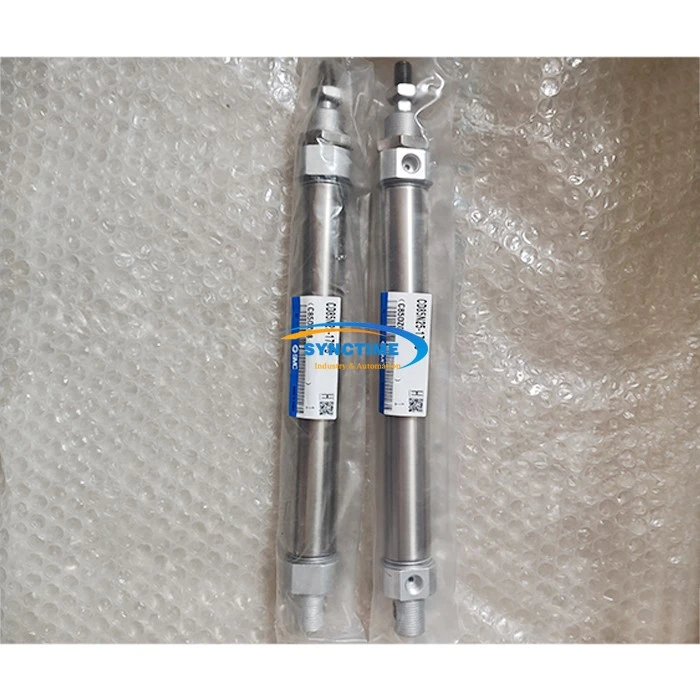
CD85N25-175-B Cylinder
This cylinder is also made of aluminum, but it has a slightly different design and dimensions than the CD85N25-200C-B. It's still important to consider its thermal expansion properties when choosing it for an application.
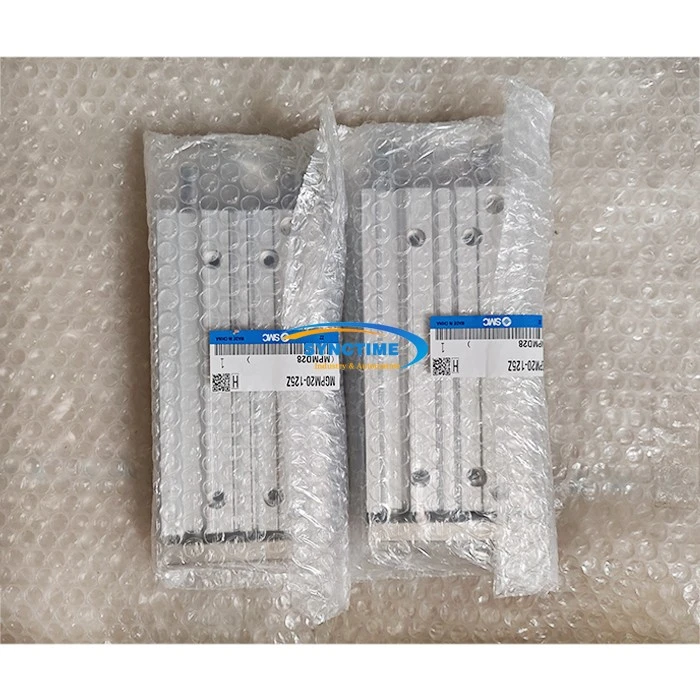
MGPM20-125Z Cylinder
This cylinder is made of stainless steel, which has a lower coefficient of thermal expansion than aluminum. It's designed for use in applications where corrosion resistance and low thermal expansion are important, such as in food processing and pharmaceutical manufacturing.
If you're using this cylinder in an environment where the temperature changes, you'll still need to consider its thermal expansion properties, but you might have more flexibility in terms of fit and clearance compared to an aluminum cylinder.
Choosing the Right Material for Your Cylinder
So, how do you choose the right material for your cylinder based on its thermal expansion properties? Here are some things to consider:
Temperature Range
The first thing you need to consider is the temperature range that your cylinder will be operating in. If the temperature fluctuates widely, you'll need to choose a material with a low coefficient of thermal expansion to minimize the effects of thermal expansion.
Application Requirements
You also need to consider the specific requirements of your application. For example, if you need a cylinder that's lightweight and corrosion-resistant, aluminum might be a good choice. But if you need a cylinder that's strong and has a low coefficient of thermal expansion, steel or stainless steel might be a better option.
Cost
Cost is always a factor when choosing a material for your cylinder. Aluminum is generally less expensive than steel or stainless steel, but it might not be the best choice for every application. You'll need to weigh the cost of the material against its performance and durability to make the best decision.
Conclusion
As you can see, the material you choose for your cylinder can have a big impact on its thermal expansion properties. By understanding how different materials behave when it comes to thermal expansion, you can choose the right material for your application and avoid costly problems down the road.
If you're in the market for a new cylinder, I'd love to help you find the right one. Just reach out to me and we can discuss your specific needs and requirements. I can also provide you with more information about the different materials and cylinders we offer, and help you make an informed decision.
Thanks for reading!
References
- Incropera, F. P., & DeWitt, D. P. (2002). Fundamentals of heat and mass transfer. Wiley.
- Holman, J. P. (2002). Heat transfer. McGraw-Hill.
- ASM Handbook Committee. (1990). ASM Handbook Volume 2: Properties and Selection: Nonferrous Alloys and Special-Purpose Materials. ASM International.
Send Inquiry