


What is the difference between a contactor and a contactor timer?
Dec 23, 2025
Leave a message
In the realm of electrical control systems, contactors and contactor timers are two fundamental components that play distinct yet complementary roles. As a contactor supplier, I've witnessed firsthand the importance of understanding the differences between these two devices. This knowledge is crucial for engineers, electricians, and anyone involved in the design, installation, or maintenance of electrical systems. In this blog post, I'll delve into the key differences between contactors and contactor timers, their applications, and how they can be integrated into various electrical setups.
What is a Contactor?
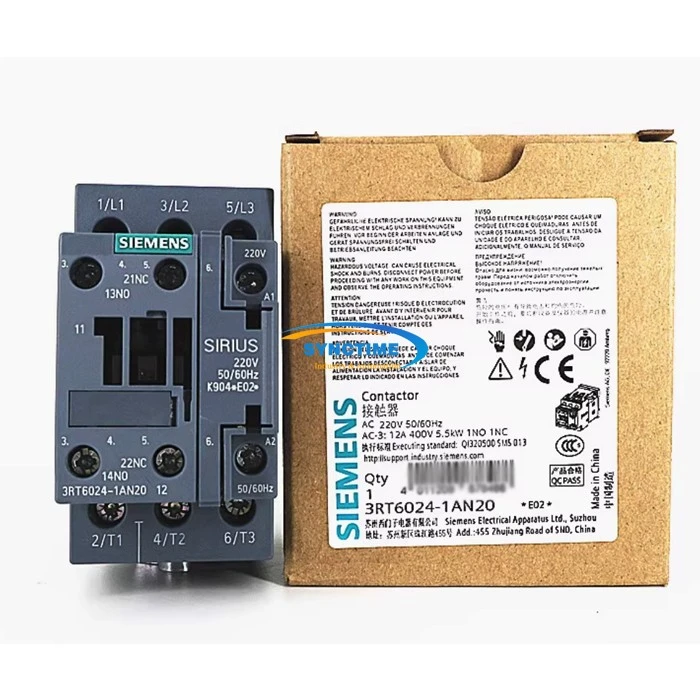
A contactor is an electrically controlled switch used for switching an electrical power circuit. It is designed to handle high currents and is commonly used in applications where it is necessary to control the flow of electricity to large loads, such as motors, heaters, and lighting systems. Contactors are typically made up of three main components: an electromagnet, a set of contacts, and an enclosure.
The electromagnet is the heart of the contactor. When an electrical current is applied to the coil of the electromagnet, it creates a magnetic field that pulls the contacts together, closing the circuit and allowing electricity to flow to the load. When the current is removed from the coil, the magnetic field collapses, and the contacts are pulled apart by a spring, opening the circuit and stopping the flow of electricity.
Contactors come in a variety of sizes and configurations to suit different applications. For example, our S-N180 Magnetic Contactor is a high-quality contactor designed for use in industrial applications. It features a robust construction and can handle high currents, making it suitable for controlling large motors and other heavy loads.
What is a Contactor Timer?
A contactor timer, on the other hand, is a device that combines the functionality of a contactor with a timer. It allows for the automatic control of electrical circuits based on a pre-set time interval. Contactor timers are commonly used in applications where it is necessary to turn on or off a load at a specific time or for a specific duration, such as in irrigation systems, HVAC systems, and lighting control systems.
Contactor timers work by using a timer circuit to control the operation of the contactor. The timer circuit can be programmed to turn the contactor on or off at a specific time, or to keep it on for a specific duration. When the timer reaches the pre-set time or duration, it sends a signal to the contactor, which then opens or closes the circuit accordingly.
There are several types of contactor timers available, including mechanical timers, electronic timers, and programmable timers. Mechanical timers use a clock mechanism to control the timing function, while electronic timers use electronic components such as integrated circuits and microcontrollers. Programmable timers offer the most flexibility, as they can be programmed to perform a variety of timing functions, such as on-delay, off-delay, and interval timing.
Key Differences between Contactors and Contactor Timers
Now that we have a basic understanding of what contactors and contactor timers are, let's take a closer look at the key differences between these two devices.
Functionality
The primary difference between contactors and contactor timers lies in their functionality. A contactor is simply an electrically controlled switch that is used to turn a load on or off. It does not have any built-in timing function and requires manual intervention to operate. A contactor timer, on the other hand, combines the functionality of a contactor with a timer, allowing for the automatic control of electrical circuits based on a pre-set time interval.
Applications
Contactors are commonly used in applications where it is necessary to control the flow of electricity to large loads, such as motors, heaters, and lighting systems. They are typically used in industrial and commercial settings, where reliability and durability are of utmost importance. Contactor timers, on the other hand, are used in applications where it is necessary to turn on or off a load at a specific time or for a specific duration, such as in irrigation systems, HVAC systems, and lighting control systems. They are commonly used in residential, commercial, and industrial settings.
Complexity
Contactors are relatively simple devices that consist of an electromagnet, a set of contacts, and an enclosure. They are easy to install and operate, and require minimal maintenance. Contactor timers, on the other hand, are more complex devices that incorporate a timer circuit in addition to the contactor. They require more advanced programming and configuration, and may require additional wiring and connections.

Cost
Contactors are generally less expensive than contactor timers, as they are simpler devices with fewer components. However, the cost of a contactor or contactor timer can vary depending on the size, rating, and features of the device. In general, larger and higher-rated contactors and contactor timers will be more expensive than smaller and lower-rated devices.
Applications of Contactors and Contactor Timers
Contactors and contactor timers are used in a wide variety of applications across different industries. Here are some common applications of these devices:
Industrial Applications
In industrial settings, contactors are used to control the operation of motors, heaters, and other heavy loads. They are commonly used in manufacturing plants, power generation facilities, and other industrial facilities. Contactor timers are also used in industrial applications, such as in conveyor systems, where they are used to control the timing of the conveyor belts.
Commercial Applications
In commercial settings, contactors are used to control the lighting, HVAC, and other electrical systems in buildings. They are commonly used in offices, retail stores, and other commercial buildings. Contactor timers are also used in commercial applications, such as in lighting control systems, where they are used to turn the lights on and off at specific times.
Residential Applications
In residential settings, contactors are used to control the operation of appliances, such as air conditioners, refrigerators, and washing machines. They are also used in lighting control systems, where they are used to turn the lights on and off. Contactor timers are commonly used in residential applications, such as in irrigation systems, where they are used to control the timing of the sprinklers.
Integration of Contactors and Contactor Timers
In many applications, contactors and contactor timers are used together to achieve more complex control functions. For example, in an HVAC system, a contactor may be used to turn the compressor on and off, while a contactor timer may be used to control the timing of the fan. By integrating these two devices, it is possible to achieve more precise control of the HVAC system, resulting in improved energy efficiency and comfort.
When integrating contactors and contactor timers, it is important to ensure that the devices are compatible with each other and with the electrical system. This may require careful selection of the devices based on their ratings, features, and specifications. It is also important to follow the manufacturer's instructions for installation and wiring to ensure safe and reliable operation.
Conclusion
In conclusion, contactors and contactor timers are two important components in electrical control systems. While they share some similarities, they have distinct differences in terms of functionality, applications, complexity, and cost. As a contactor supplier, I understand the importance of providing high-quality products and technical support to our customers. Whether you need a simple contactor for a small load or a complex contactor timer for a large-scale application, we have the expertise and products to meet your needs.
If you are interested in learning more about our contactors and contactor timers, or if you have any questions or need assistance with your electrical control system, please feel free to contact us. Our team of experts is ready to help you find the right solution for your application.
References
- Electrical Engineering Handbook, Third Edition, edited by Richard C. Dorf
- Control Systems Engineering, Fourth Edition, by Norman S. Nise
- Industrial Electronics Handbook, Second Edition, edited by Timothy J. Lipsett
Send Inquiry