


What is the contact erosion of a contactor?
Oct 22, 2025
Leave a message
Contactors are essential components in electrical systems, used to control the flow of electricity to various devices. They are widely employed in industrial, commercial, and residential settings, making them a crucial part of modern electrical infrastructure. As a contactor supplier, I've witnessed firsthand the importance of understanding contact erosion, a phenomenon that can significantly impact the performance and lifespan of contactors. In this blog, I'll delve into what contact erosion is, its causes, effects, and how to mitigate it.
What is Contact Erosion?
Contact erosion refers to the gradual wear and tear of the contacts within a contactor. These contacts are responsible for making and breaking electrical circuits, and over time, they can be damaged due to various factors. When a contactor operates, the contacts come together to close the circuit and allow current to flow, and then separate to open the circuit. During these operations, several physical and chemical processes occur that can lead to the erosion of the contact material.
Causes of Contact Erosion
1. Arcing
One of the primary causes of contact erosion is arcing. When the contacts open or close, an electric arc can form between them. This arc is a high - energy discharge of electricity through the air, which can reach extremely high temperatures. The intense heat generated by the arc can vaporize the contact material, causing it to be ejected from the contact surface. For example, in high - current applications, the arc can be particularly severe, leading to rapid erosion of the contacts.
2. Mechanical Wear
Mechanical forces also play a role in contact erosion. Every time the contacts open and close, there is a certain amount of mechanical stress on the contact surfaces. This stress can cause the contact material to deform, crack, or flake off. Additionally, if the contactor is subjected to vibrations or shocks during operation, it can exacerbate the mechanical wear of the contacts.
3. Chemical Reactions
The contact material can react with the surrounding environment, leading to chemical erosion. For instance, in humid or corrosive atmospheres, the contacts can oxidize or corrode. Oxidation can form a layer of oxide on the contact surface, which increases the contact resistance and can further lead to overheating and more severe erosion.
Effects of Contact Erosion
1. Increased Contact Resistance
As the contacts erode, the contact surface area decreases, and the surface becomes rough. This leads to an increase in contact resistance. Higher contact resistance means more power is dissipated as heat at the contact points. Excessive heat can cause further damage to the contacts and other components in the circuit, potentially leading to system failures.
2. Reduced Contactor Lifespan
Contact erosion shortens the lifespan of the contactor. Once the contacts are severely eroded, they may no longer be able to make a reliable electrical connection. This can result in intermittent operation, false triggering, or complete failure of the contactor. For industrial applications where contactors are used in critical processes, a premature failure can lead to significant downtime and economic losses.
3. Electrical Noise
The irregular contact surfaces caused by erosion can generate electrical noise in the circuit. This noise can interfere with the normal operation of other electrical devices connected to the same circuit, leading to malfunctions or inaccurate readings.
Mitigating Contact Erosion
1. Selecting the Right Contact Material
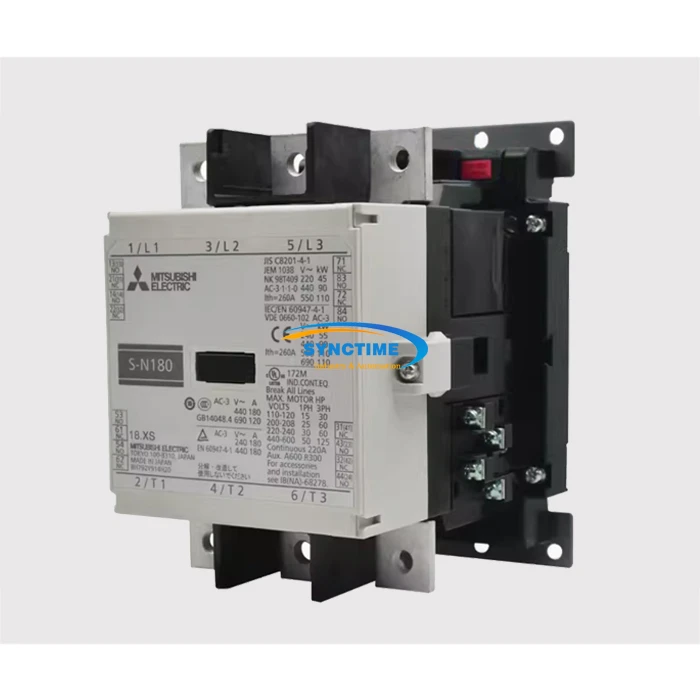
Choosing the appropriate contact material is crucial in reducing contact erosion. Different materials have different properties in terms of their resistance to arcing, mechanical wear, and chemical reactions. For example, silver - based contact materials are known for their excellent electrical conductivity and relatively good resistance to arcing. Some contactors, like the S - N180 Magnetic Contactor, are designed with high - quality contact materials to minimize erosion.
2. Proper Sizing of the Contactor
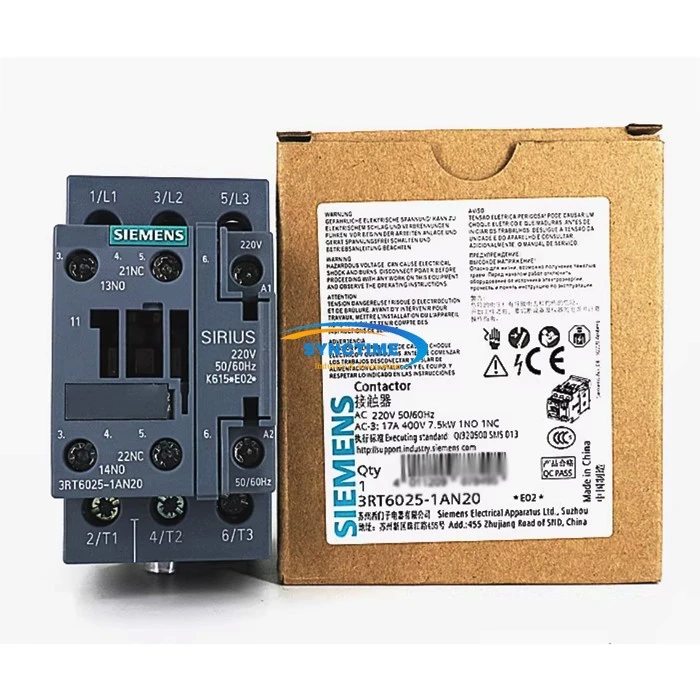
Ensuring that the contactor is properly sized for the application is essential. Using an undersized contactor can lead to excessive current flowing through the contacts, increasing the likelihood of arcing and erosion. On the other hand, an oversized contactor may be more expensive and less efficient. For specific applications, products like the 3RT6025 - 1AN20 3RT6026 - 1AN20 Contactor are carefully designed to handle the appropriate current and voltage levels, reducing the risk of contact erosion.
3. Using Arc Suppression Techniques
Arc suppression devices can be used to reduce the intensity and duration of the arc during contact opening and closing. These devices work by diverting the arc energy or extinguishing the arc more quickly. For example, snubber circuits can be added to the contactor to absorb the energy of the arc and prevent it from causing excessive erosion.
4. Regular Maintenance
Regular inspection and maintenance of the contactors can help detect early signs of contact erosion. Cleaning the contact surfaces, checking for proper alignment, and tightening any loose connections can extend the lifespan of the contactor. In some cases, replacing the contacts before they are severely eroded can prevent more significant problems. The 3RT2016 - 1AN21 Contactor is designed to be relatively easy to maintain, allowing for efficient inspection and replacement of components if necessary.
Conclusion
Contact erosion is a complex phenomenon that can have a significant impact on the performance and reliability of contactors. As a contactor supplier, I understand the importance of providing high - quality products and solutions to our customers. By understanding the causes and effects of contact erosion and implementing appropriate mitigation strategies, we can help our customers ensure the long - term operation of their electrical systems.
If you are in need of reliable contactors or have any questions about contact erosion and its prevention, we are here to assist you. Our team of experts can provide you with detailed information and guidance on selecting the right contactors for your specific applications. Contact us today to start a procurement discussion and find the best solutions for your electrical needs.
References
- Blackburn, R. J. (2015). Protective Relaying: Principles and Applications. CRC Press.
- Dorf, R. C., & Bishop, R. H. (2016). Introduction to Electric Circuits. Wiley.
- Grover, F. W. (2017). Inductance Calculations: Working Formulas and Tables. Dover Publications.
Send Inquiry