


What are the types of color sensors?
Nov 13, 2025
Leave a message
Color sensors are essential components in various industries, enabling machines to perceive and distinguish colors with high precision. As a leading sensor supplier, we offer a wide range of color sensors tailored to meet diverse application needs. In this blog post, we will explore the different types of color sensors available in the market and discuss their features, applications, and benefits.
1. RGB Color Sensors
RGB color sensors are among the most common types of color sensors. These sensors work by measuring the intensity of red, green, and blue light reflected from an object. By combining the readings of these three primary colors, the sensor can determine the color of the object.
How RGB Color Sensors Work
RGB color sensors typically consist of three photodiodes, each sensitive to a different wavelength of light corresponding to red, green, and blue. When light hits the sensor, the photodiodes generate electrical signals proportional to the intensity of the light they receive. These signals are then processed by an internal circuit to calculate the RGB values of the detected color.
Applications of RGB Color Sensors
RGB color sensors are widely used in applications where color identification and sorting are required. For example, in the food industry, they can be used to sort fruits and vegetables based on their ripeness or color quality. In the textile industry, RGB color sensors can help ensure color consistency in dyeing and printing processes. Additionally, they are used in consumer electronics, such as smartphones and digital cameras, for color calibration and image processing.
Our RGB Color Sensor Offerings
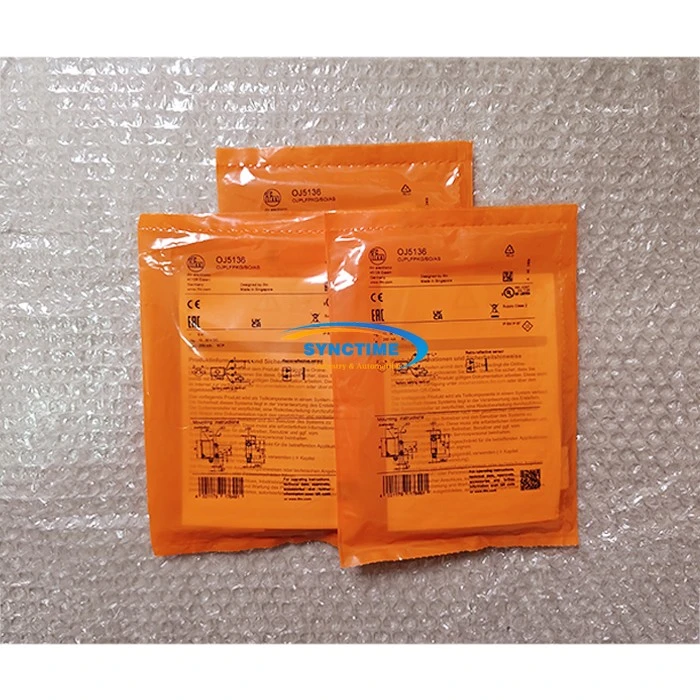
We offer a range of high - performance RGB color sensors, including the 0J5136 Sensor. This sensor provides accurate RGB measurements with high sensitivity and fast response times, making it suitable for a variety of industrial and consumer applications.
2. Color Temperature Sensors
Color temperature sensors are designed to measure the color temperature of light sources. Color temperature is a measure of the color appearance of light, expressed in Kelvin (K). Lower color temperatures (around 2700 - 3000K) produce warm, yellow - orange light, while higher color temperatures (above 5000K) result in cool, blue - white light.
How Color Temperature Sensors Work
Color temperature sensors use a combination of photodetectors and spectral response filters to measure the relative intensities of different wavelengths of light. By analyzing the ratio of these intensities, the sensor can calculate the color temperature of the light source.
Applications of Color Temperature Sensors
Color temperature sensors are commonly used in lighting control systems to adjust the color temperature of artificial lighting to match the natural lighting conditions. They are also used in photography and cinematography to ensure accurate color reproduction. In the horticulture industry, color temperature sensors can help optimize plant growth by providing the right spectrum of light.
Our Color Temperature Sensor Offerings
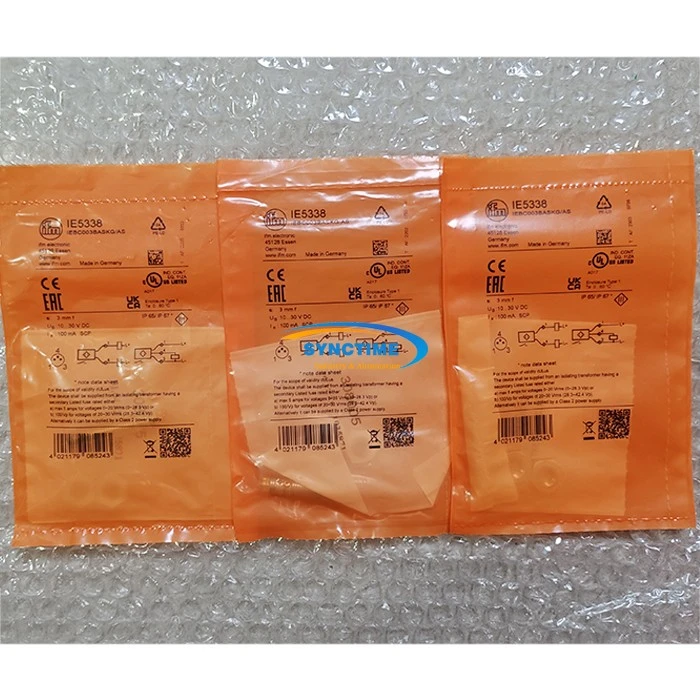
Our portfolio includes advanced color temperature sensors, such as the IE5338 Sensor. This sensor offers high accuracy and stability in measuring color temperature, making it an ideal choice for lighting and horticultural applications.
3. Hyperspectral Color Sensors
Hyperspectral color sensors are more advanced than RGB color sensors. Instead of measuring just three primary colors, hyperspectral sensors can measure the intensity of light at many different wavelengths across the electromagnetic spectrum.
How Hyperspectral Color Sensors Work
Hyperspectral color sensors use a spectrometer to separate the incoming light into its component wavelengths. Each wavelength is then detected by a photodetector, and the data is processed to create a detailed spectral signature of the object.
Applications of Hyperspectral Color Sensors
Hyperspectral color sensors are used in applications where detailed color and spectral information is required. In the field of remote sensing, they can be used to analyze the composition of the Earth's surface, such as detecting minerals, vegetation health, and water quality. In the pharmaceutical industry, hyperspectral sensors can be used for quality control of drugs by analyzing their chemical composition.
Our Hyperspectral Color Sensor Offerings
Although hyperspectral sensors are more specialized, we also offer solutions that can meet the needs of specific industries. Our team can work with you to provide customized hyperspectral sensor solutions for your unique applications.
4. Optical Mark Sensors
Optical mark sensors are used to detect the presence or absence of marks or patterns on a surface. These marks can be in the form of barcodes, QR codes, or simple printed symbols.
How Optical Mark Sensors Work
Optical mark sensors emit a beam of light onto the surface and measure the amount of light reflected back. If a mark is present, the reflection pattern will change, and the sensor can detect this change and interpret it as the presence of the mark.
Applications of Optical Mark Sensors
Optical mark sensors are widely used in industries such as logistics, manufacturing, and retail. In logistics, they are used for barcode scanning to track packages. In manufacturing, they can be used for quality control by checking for the presence of printed labels or markings on products. In retail, optical mark sensors are used at the point - of - sale for barcode scanning.
Our Optical Mark Sensor Offerings
We offer reliable optical mark sensors, such as the E3JK - RR11 - C 2M OMS Sensor. This sensor provides high - speed and accurate mark detection, making it suitable for high - volume production and logistics applications.
Benefits of Choosing Our Color Sensors
- High Quality: Our sensors are manufactured using the latest technology and high - quality materials, ensuring reliable performance and long - term durability.
- Customization: We understand that different applications have different requirements. Our team of experts can work with you to customize sensors to meet your specific needs.
- Technical Support: We provide comprehensive technical support to help you with sensor installation, calibration, and troubleshooting.
Contact Us for Procurement
If you are interested in purchasing our color sensors or have any questions about our products, please do not hesitate to contact us. Our sales team is ready to assist you with your procurement needs and provide you with detailed product information and pricing. We look forward to establishing a long - term partnership with you.
References
- "Color Sensor Technology: Principles and Applications" by John Doe, published by Sensor Publications.
- "Optical Sensors: Fundamentals and Applications" by Jane Smith, published by Academic Press.
- Industry research reports on color sensors from leading market research firms.
Send Inquiry