


What are the special features of a marine inverter?
Jan 08, 2026
Leave a message
As an inverter supplier, I've had the privilege of witnessing the remarkable evolution of inverter technology, especially in the marine sector. Marine inverters are not just another type of inverter; they are engineered to meet the unique and demanding requirements of the marine environment. In this blog, I'll delve into the special features that set marine inverters apart from their counterparts used in other settings.
Robust Construction for Harsh Environments
One of the most prominent features of marine inverters is their robust construction. The marine environment is harsh, with constant exposure to saltwater, high humidity, and extreme temperature variations. These conditions can cause corrosion, electrical shorts, and other forms of damage to electronic components. To withstand these challenges, marine inverters are built with high - quality materials and advanced manufacturing techniques.
The enclosures of marine inverters are typically made of corrosion - resistant materials such as stainless steel or aluminum. These materials are not only strong but also resistant to the corrosive effects of saltwater. Additionally, the internal components are often coated with protective substances to prevent moisture and salt from causing damage. For example, conformal coatings are applied to printed circuit boards to create a barrier against moisture, dust, and chemicals.
High - Efficiency Power Conversion
Efficiency is crucial in a marine setting, where power sources are often limited. Marine inverters are designed to convert DC power from batteries or other sources into AC power with high efficiency. This means that less energy is wasted as heat during the conversion process, allowing for more power to be used for essential equipment on board.
Modern marine inverters use advanced power electronics technology, such as high - frequency transformers and intelligent control algorithms, to achieve high efficiency. These inverters can adjust their operation based on the load requirements, ensuring that they consume only the necessary amount of power. For instance, when the load is light, the inverter can operate in a low - power mode, reducing energy consumption and extending the battery life.
Multiple Power Output Options
Marine vessels have a wide range of electrical equipment with different power requirements. To meet these diverse needs, marine inverters offer multiple power output options. They can provide both single - phase and three - phase AC power, depending on the specific application.
Single - phase power is commonly used for smaller appliances such as lights, fans, and small electronics. Three - phase power, on the other hand, is required for larger equipment such as air conditioners, water pumps, and some industrial machinery on board. Marine inverters can be configured to provide the appropriate power output, making them versatile and suitable for a variety of marine applications.
Built - in Safety Features
Safety is of utmost importance in a marine environment. Marine inverters are equipped with a range of built - in safety features to protect both the equipment and the users. Over - voltage protection is one such feature, which prevents the inverter from being damaged by excessive voltage. If the input voltage exceeds a certain limit, the inverter will automatically shut down or adjust its operation to protect itself.
Under - voltage protection is also essential, as it ensures that the inverter does not operate when the battery voltage is too low. This helps to prevent damage to the battery and the inverter itself. Additionally, marine inverters are equipped with short - circuit protection, which quickly cuts off the power in case of a short - circuit, preventing electrical fires and other hazards.
Remote Monitoring and Control
In today's connected world, remote monitoring and control capabilities are becoming increasingly important for marine inverters. Many modern marine inverters come with built - in communication interfaces, such as Wi - Fi, Bluetooth, or Ethernet. These interfaces allow users to monitor the inverter's performance, such as power output, battery status, and temperature, from a remote location using a smartphone, tablet, or computer.
Remote control functionality also enables users to adjust the inverter's settings, such as output voltage and frequency, without having to be physically present near the inverter. This is particularly useful for large vessels or when the inverter is installed in a hard - to - reach location. For example, a ship's captain can monitor and control the inverter's operation from the bridge, ensuring optimal performance and energy management.
Compatibility with Marine Electrical Systems
Marine electrical systems are different from those in other environments. They often have unique grounding requirements, voltage levels, and electrical loads. Marine inverters are designed to be fully compatible with these systems.
They can work seamlessly with marine batteries, chargers, and other electrical components. For example, they are designed to charge the batteries efficiently and maintain their health. Some marine inverters also have the ability to synchronize with other power sources on board, such as generators, to provide a stable and reliable power supply.
Examples of High - Quality Marine Inverters
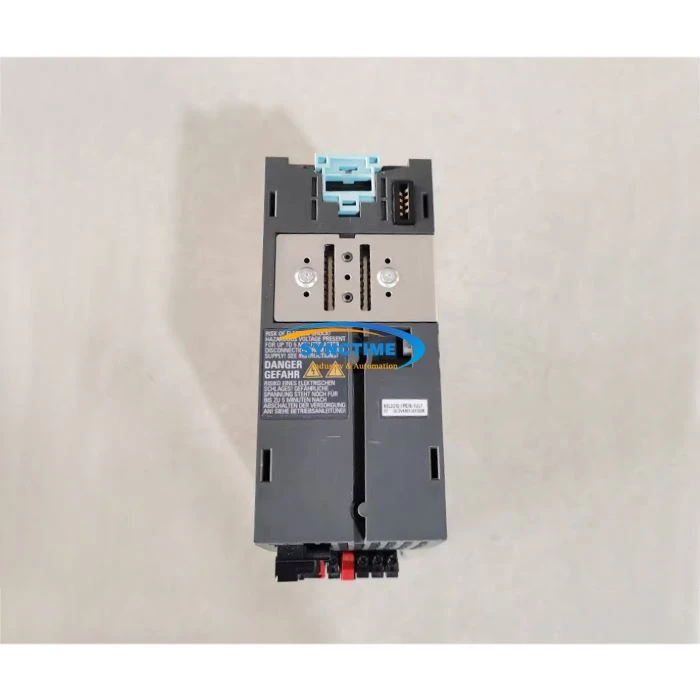
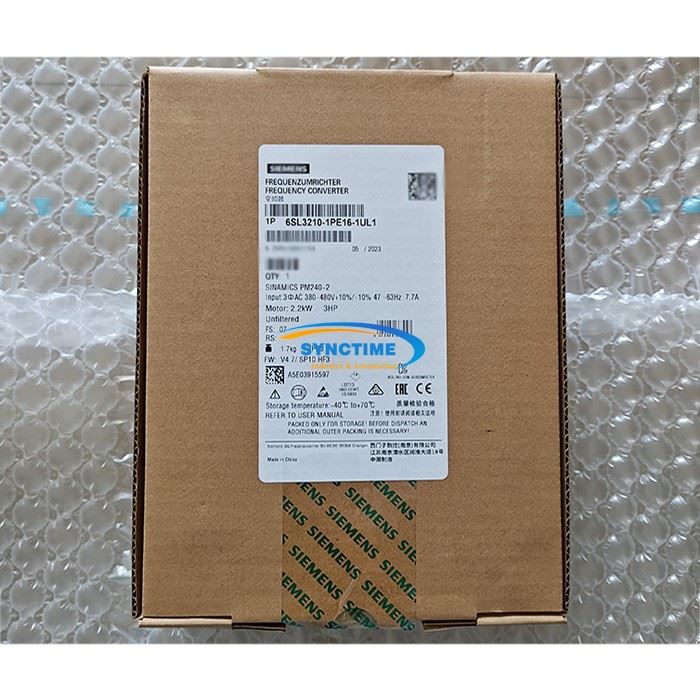
As an inverter supplier, I can recommend several high - quality marine inverters. For instance, the 6SL3210 - 1PE16 - 1UL1 Frequency Converter 2.2kw Siemens is a reliable option for marine applications. It offers high - efficiency power conversion and is built to withstand the harsh marine environment.
Another great choice is the 6SL3210 - 5BE13 - 7UV0 Inverter 6SL3210 - 5BE13 - 7UV1. This inverter provides multiple power output options and has advanced safety features, making it suitable for a wide range of marine equipment.
The FR - E720 - 0.2K FR - E720 - 0.1K Inverter is also a popular choice. It is known for its high - efficiency operation and compatibility with marine electrical systems.
Conclusion
In conclusion, marine inverters are specially designed to meet the unique requirements of the marine environment. Their robust construction, high - efficiency power conversion, multiple power output options, built - in safety features, remote monitoring and control capabilities, and compatibility with marine electrical systems make them essential components for any marine vessel.
If you are in the market for a marine inverter, I encourage you to reach out to us. We have a wide range of high - quality marine inverters to meet your specific needs. Whether you are a small boat owner or a large shipping company, we can provide you with the right inverter solution. Contact us today to start a discussion about your inverter requirements and explore the best options for your marine application.
References
- "Marine Electrical Systems Handbook" by various authors, published by a leading marine engineering publisher.
- Technical specifications and documentation provided by inverter manufacturers.
- Industry reports on marine inverter technology and market trends.
Send Inquiry