


What are the signs of a worn - out regulator?
Nov 17, 2025
Leave a message
As a seasoned supplier of valves and regulators, I've witnessed firsthand the critical role these components play in various industrial and commercial applications. A regulator, in particular, is a device that controls the pressure of a fluid or gas in a system, ensuring it remains at a consistent and safe level. Over time, however, regulators can wear out, leading to a host of issues that can compromise the efficiency and safety of your operations. In this blog post, I'll discuss the signs of a worn-out regulator and why it's important to address these issues promptly.
Fluctuating Pressure Readings
One of the most obvious signs of a worn-out regulator is fluctuating pressure readings. A properly functioning regulator should maintain a stable pressure within a specified range. If you notice that the pressure gauge on your system is constantly fluctuating, it could indicate that the regulator is no longer able to control the pressure effectively. This can be caused by a variety of factors, including worn seals, damaged diaphragms, or clogged ports.
Fluctuating pressure can have serious consequences for your system. It can cause equipment to malfunction, leading to costly repairs and downtime. It can also pose a safety risk, as sudden pressure spikes can cause pipes to burst or valves to fail. If you suspect that your regulator is causing pressure fluctuations, it's important to have it inspected and repaired as soon as possible.
Leaking Gas or Fluid
Another common sign of a worn-out regulator is leaking gas or fluid. A regulator is designed to prevent leaks by maintaining a tight seal between the inlet and outlet ports. Over time, however, the seals can wear out, causing gas or fluid to leak from the regulator. This can be a serious safety hazard, as leaking gas or fluid can ignite or cause an explosion.
If you notice a hissing sound coming from your regulator or see signs of gas or fluid leakage, such as puddles or stains, it's important to shut off the system immediately and have the regulator inspected by a qualified technician. Leaking regulators should never be ignored, as they can pose a significant risk to your health and safety.
Excessive Noise
A worn-out regulator may also produce excessive noise during operation. This can be caused by a variety of factors, including loose or damaged components, worn seals, or improper installation. Excessive noise can be a sign that the regulator is not functioning properly and may need to be repaired or replaced.
In addition to being a nuisance, excessive noise can also indicate a more serious problem with your system. It can cause vibration, which can damage other components in the system and lead to premature failure. If you notice excessive noise coming from your regulator, it's important to have it inspected by a qualified technician to determine the cause and take appropriate action.
Difficulty Adjusting Pressure
If you're having difficulty adjusting the pressure on your regulator, it could be a sign that it's worn out. A properly functioning regulator should allow you to easily adjust the pressure within a specified range. If you find that you're having to use excessive force to turn the adjustment knob or if the pressure doesn't change when you turn the knob, it could indicate that the regulator is damaged or worn out.
Difficulty adjusting the pressure can make it difficult to maintain the correct pressure in your system, which can lead to a variety of problems. It can also make it more difficult to troubleshoot issues with your system, as you won't be able to accurately adjust the pressure to test different components. If you're having difficulty adjusting the pressure on your regulator, it's important to have it inspected by a qualified technician to determine the cause and take appropriate action.
Visible Damage
Finally, visible damage to the regulator is a clear sign that it's worn out. This can include cracks, dents, or corrosion on the body of the regulator, as well as damage to the adjustment knob, inlet or outlet ports, or other components. Visible damage can be caused by a variety of factors, including physical impact, exposure to harsh chemicals or environments, or normal wear and tear over time.
If you notice visible damage to your regulator, it's important to have it inspected by a qualified technician to determine the extent of the damage and whether it can be repaired or if it needs to be replaced. Using a damaged regulator can pose a significant risk to your health and safety, as it may not be able to control the pressure effectively or prevent leaks.
Importance of Addressing Worn-Out Regulators
Addressing worn-out regulators promptly is essential for maintaining the efficiency and safety of your operations. A worn-out regulator can cause a variety of problems, including fluctuating pressure, leaking gas or fluid, excessive noise, difficulty adjusting pressure, and visible damage. These problems can lead to equipment malfunction, costly repairs, downtime, and safety hazards.
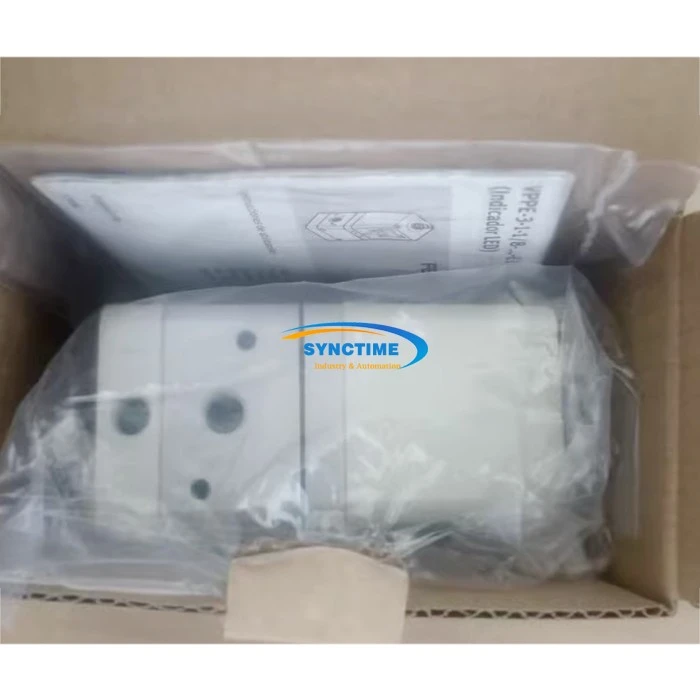
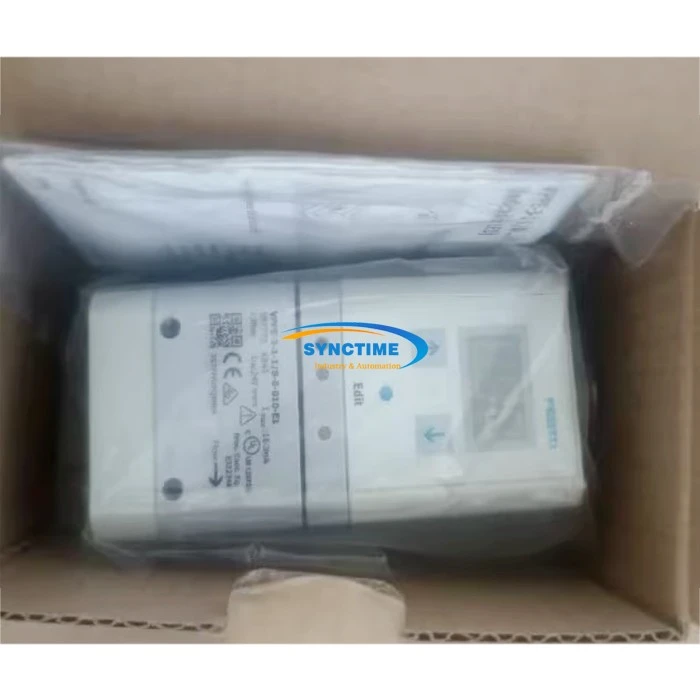
By regularly inspecting your regulators and replacing them when necessary, you can prevent these problems from occurring and ensure that your system operates smoothly and safely. It's also important to choose high-quality regulators from a reputable supplier, such as the VPPE-3-1-1/8-6-010-E1 Regulator, which are designed to withstand the rigors of industrial and commercial applications and provide reliable performance over time.
Conclusion
In conclusion, a worn-out regulator can cause a variety of problems that can compromise the efficiency and safety of your operations. By being aware of the signs of a worn-out regulator, such as fluctuating pressure readings, leaking gas or fluid, excessive noise, difficulty adjusting pressure, and visible damage, you can take proactive steps to address these issues before they become major problems.
If you suspect that your regulator is worn out or if you're experiencing any of the problems mentioned in this blog post, I encourage you to contact us to discuss your options. As a leading supplier of valves and regulators, we have the expertise and experience to help you find the right solution for your needs. Whether you need a new regulator, a replacement part, or a complete system upgrade, we can provide you with the products and services you need to keep your operations running smoothly and safely.
References
- "Industrial Regulators: How They Work and Why They're Important." Fluid Controls Institute.
- "Regulator Maintenance and Troubleshooting." Compressed Air and Gas Institute.
- "The Importance of Regular Regulator Inspections." National Fire Protection Association.
Send Inquiry