


What are the applications of a time - delay relay?
Oct 16, 2025
Leave a message
Hey there! As a relay supplier, I'm super stoked to dive into the world of time - delay relays and share their awesome applications.
So, first things first, what the heck is a time - delay relay? Well, it's a type of relay that can control the flow of electricity after a pre - set time delay. It's like having a little electrical timer that can be programmed to turn things on or off at just the right moment.
Industrial Automation
One of the biggest areas where time - delay relays shine is in industrial automation. In manufacturing plants, there are tons of processes that need to happen in a specific sequence. For example, let's say you're running a conveyor belt system. You might want to start one part of the conveyor a few seconds after another to prevent jams. A time - delay relay can be used to control the motors of these conveyor belts. You can set it to activate the second conveyor belt, say, 5 seconds after the first one starts. This ensures a smooth and efficient operation of the entire system.
Another example in industrial automation is in the operation of large machinery. When you power on a big machine, some components need to warm up before others can start working. A time - delay relay can be used to control the power supply to different parts of the machine. For instance, you can set it to turn on the cooling system of a machine 30 seconds after the main power is switched on. This gives the machine time to reach an optimal operating temperature before the cooling kicks in.
HVAC Systems
Heating, ventilation, and air conditioning (HVAC) systems also rely heavily on time - delay relays. In an HVAC system, you don't want the compressor to start immediately after the fan stops. This can cause unnecessary wear and tear on the compressor. A time - delay relay can be used to introduce a delay between the fan shutting off and the compressor starting. For example, you can set it to wait 3 minutes before the compressor restarts. This not only extends the lifespan of the compressor but also helps in saving energy.
Moreover, in large commercial buildings, different zones of the HVAC system might need to be controlled at different times. A time - delay relay can be used to stagger the operation of these zones. For example, you can set it to start the HVAC system in one floor of the building 15 minutes after the system in the floor below has started. This helps in evenly distributing the load on the power grid and reduces the peak power demand.
Lighting Systems
Time - delay relays are a game - changer in lighting systems. In public areas like stairwells, corridors, and parking lots, you don't want the lights to stay on all the time. A time - delay relay can be used in conjunction with motion sensors. When a person enters an area and the motion sensor detects movement, the relay can be set to turn on the lights immediately. But instead of keeping the lights on indefinitely, the relay can be programmed to turn them off after a certain period, say 5 minutes, if no further motion is detected. This is a great way to save energy and reduce electricity costs.
In outdoor lighting, such as streetlights, time - delay relays can be used to control the on and off times based on the time of day. You can set the relay to turn on the streetlights at dusk and turn them off at dawn. Some advanced time - delay relays can even adjust the on and off times based on the season, ensuring that the lighting is always appropriate for the changing daylight hours.
Traffic Signals
Traffic signals are another area where time - delay relays play a crucial role. In a typical intersection, the traffic lights need to change in a specific sequence. A time - delay relay can be used to control the duration of each phase of the traffic signal. For example, the green light for one direction might be set to last for 30 seconds, followed by a 5 - second yellow light and then a red light. The time - delay relay ensures that these intervals are accurately maintained, which is essential for the safe and efficient flow of traffic.
Home Appliances
Even in our homes, time - delay relays are used in various appliances. Take a washing machine, for example. When you start a washing cycle, the machine needs to fill with water, agitate the clothes, drain the water, and then spin the clothes dry. A time - delay relay can be used to control the duration of each of these steps. For instance, it can be set to let the water fill the machine for 2 minutes before starting the agitation process.
In a microwave oven, a time - delay relay can be used to control the power output. You can set it to start the high - power cooking for a certain period, say 3 minutes, and then switch to a lower - power setting for another 2 minutes to ensure even cooking.
Now, let's talk about some of the products we offer as a relay supplier. We have the 38.51.7.024.0050 Relay, which is a high - quality time - delay relay suitable for a wide range of applications. It's reliable and easy to install, making it a great choice for both industrial and home use.
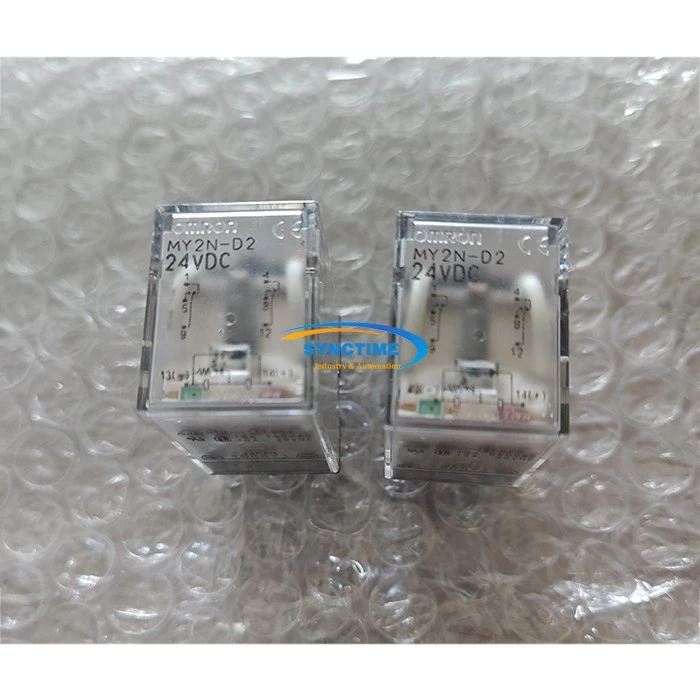
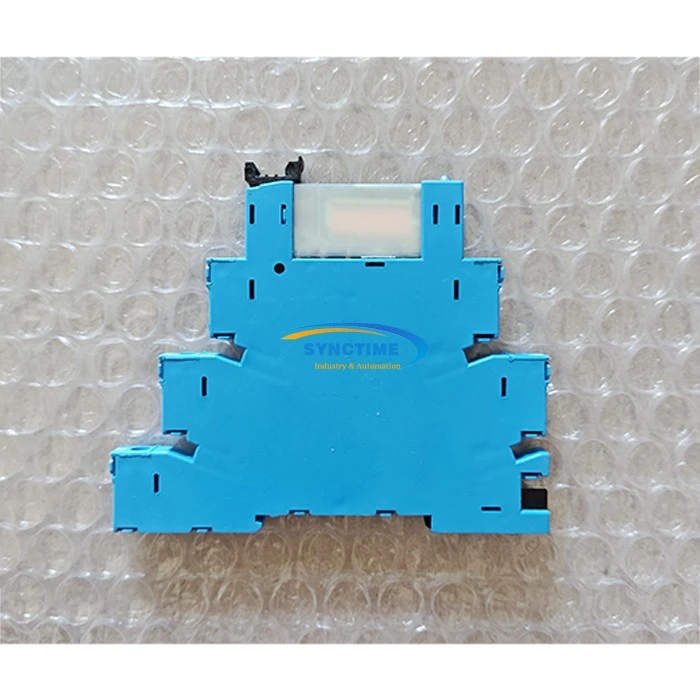
We also have the Base Socket Max.7A250V For MY2N-D2. This base socket is designed to work perfectly with the MY2N-D2 Power Relay. The MY2N - D2 power relay is a powerful and versatile relay that can be used in many of the applications we've discussed today.
If you're in the market for time - delay relays or any other relay products, we'd love to hear from you. Whether you're an industrial manufacturer looking to optimize your automation processes, an HVAC contractor in need of reliable relays for your systems, or a homeowner wanting to upgrade your home appliances, we have the right products for you. Just reach out to us to start a conversation about your relay needs and let's work together to find the perfect solutions.
References
- "Industrial Control Systems Handbook" by Paul A. Craig
- "HVAC Systems Design Handbook" by R. W. McQuiston, J. D. Parker, and J. E. Spitler
- "Traffic Engineering Handbook" by the Institute of Transportation Engineers
Send Inquiry