


What are the advantages of a multi - channel relay?
Oct 31, 2025
Leave a message
In the realm of electrical engineering and industrial automation, relays play a pivotal role in controlling and managing electrical circuits. A multi - channel relay, in particular, offers a plethora of advantages that make it an indispensable component in various applications. As a seasoned relay supplier, I have witnessed firsthand the transformative impact that multi - channel relays can have on electrical systems. In this blog, I will delve into the numerous benefits of multi - channel relays and explore why they are a preferred choice for many industries.
Space and Cost Efficiency
One of the most significant advantages of a multi - channel relay is its ability to save space and reduce costs. In traditional electrical setups, multiple single - channel relays are often required to control different circuits. This not only takes up a significant amount of panel space but also increases the overall cost of the system due to the need for additional mounting hardware, wiring, and relays themselves.
A multi - channel relay, on the other hand, combines multiple relay channels into a single compact unit. For example, a 4 - channel relay can perform the functions of four separate single - channel relays, occupying much less space on the control panel. This space - saving feature is especially crucial in applications where space is limited, such as in small control cabinets or in portable electronic devices.
Moreover, the cost of purchasing, installing, and maintaining a multi - channel relay is generally lower than that of multiple single - channel relays. Since there is only one unit to install and wire, the labor costs associated with installation are reduced. Additionally, the reduced number of components means fewer parts to replace in case of a failure, resulting in lower maintenance costs over the long term.
Simplified Wiring and Installation
Another advantage of multi - channel relays is the simplified wiring and installation process. When using multiple single - channel relays, each relay requires its own set of wiring connections, which can quickly become complex and difficult to manage. This complexity not only increases the installation time but also raises the risk of wiring errors, which can lead to system malfunctions or even safety hazards.
With a multi - channel relay, all the relay channels are integrated into a single unit, and the wiring is much more straightforward. The common power supply and control connections can be shared among the different channels, reducing the number of wires and connections required. This simplifies the installation process, making it faster and more reliable. For example, in an industrial automation system where multiple circuits need to be controlled, a multi - channel relay can significantly reduce the wiring complexity, allowing for a more efficient and error - free installation.
Enhanced Functionality and Flexibility
Multi - channel relays offer enhanced functionality and flexibility compared to single - channel relays. They can be configured to perform a variety of functions, such as time - delay switching, sequential switching, and logic control. For instance, a multi - channel relay can be programmed to switch on different circuits at specific time intervals, which is useful in applications such as lighting control systems or irrigation systems.
In addition, multi - channel relays can be used to control different types of loads simultaneously. For example, one channel of a multi - channel relay can be used to control a high - power motor, while another channel can be used to control a low - power indicator light. This flexibility makes multi - channel relays suitable for a wide range of applications, from simple home automation systems to complex industrial control systems.
Improved System Reliability
The reliability of an electrical system is of utmost importance, especially in critical applications where system failures can have serious consequences. Multi - channel relays contribute to improved system reliability in several ways. Firstly, since all the relay channels are integrated into a single unit, there are fewer points of failure compared to a system using multiple single - channel relays. A single - channel relay failure can cause the entire circuit it controls to malfunction, while in a multi - channel relay, the failure of one channel is less likely to affect the operation of the other channels.
Secondly, multi - channel relays are often designed with built - in protection features, such as over - current protection and short - circuit protection. These features help to prevent damage to the relay and the connected loads, ensuring the long - term reliability of the system. For example, in a power distribution system, a multi - channel relay with over - current protection can automatically disconnect the faulty circuit to prevent further damage to the electrical equipment.
Compatibility with Different Control Systems
Multi - channel relays are highly compatible with different types of control systems. They can be easily integrated with programmable logic controllers (PLCs), microcontrollers, and other automation devices. This compatibility allows for seamless integration into existing control systems, enabling users to expand and upgrade their systems without significant modifications.
For example, in an industrial manufacturing plant, a multi - channel relay can be connected to a PLC to control multiple production processes. The PLC can send control signals to the multi - channel relay, which then switches the appropriate circuits on or off according to the programmed logic. This integration between the multi - channel relay and the PLC enhances the overall efficiency and functionality of the control system.
Real - World Applications
Multi - channel relays are widely used in various industries and applications. In the 38.51.7.024.0050 Relay, multi - channel relays are used in power distribution systems to control the flow of electricity to different loads. They can be used to switch between different power sources, such as generators and the main power grid, ensuring a continuous and reliable power supply.
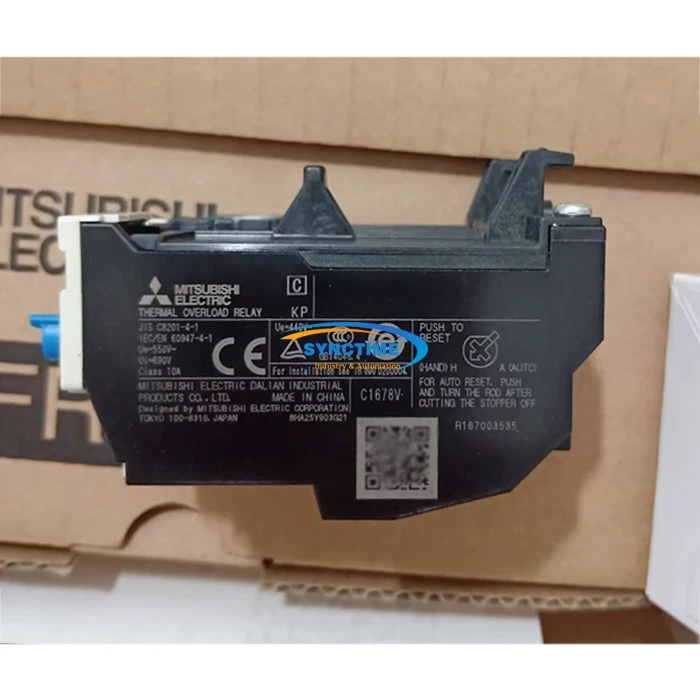
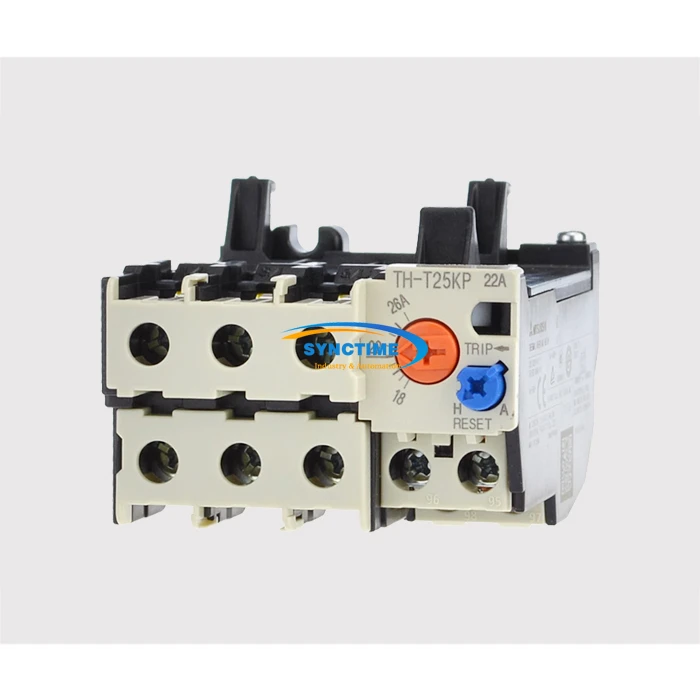
In the automotive industry, multi - channel relays are used in vehicle electrical systems to control functions such as lighting, wipers, and power windows. The TH - T50KP Relay and TH - T25KP Relay are examples of relays that can be used in automotive applications, providing reliable and efficient control of various electrical components.
In home automation systems, multi - channel relays are used to control lighting, heating, and other household appliances. They can be integrated with smart home devices, allowing users to control their home environment remotely using a smartphone or a tablet.
Conclusion
In conclusion, multi - channel relays offer a wide range of advantages, including space and cost efficiency, simplified wiring and installation, enhanced functionality and flexibility, improved system reliability, and compatibility with different control systems. These benefits make multi - channel relays a preferred choice for many applications in various industries.
As a relay supplier, I am committed to providing high - quality multi - channel relays that meet the diverse needs of our customers. If you are interested in learning more about our multi - channel relays or would like to discuss your specific application requirements, please feel free to contact us for a detailed consultation and procurement discussion. We look forward to working with you to find the best relay solutions for your projects.
References
- Electrical Engineering Handbook, Third Edition, CRC Press
- Industrial Automation: A Practical Guide, McGraw - Hill Education
- Relay Technology and Applications, Wiley - IEEE Press
Send Inquiry