


Is MY2N - D2 suitable for long - term continuous operation?
Jan 01, 2026
Leave a message
When it comes to industrial relays, the choice of a suitable device for long - term continuous operation is of utmost importance. As a supplier of the MY2N - D2, I've received numerous inquiries regarding its suitability for such demanding applications. In this blog, I'll delve into the features, performance, and factors that determine whether the MY2N - D2 is a good fit for long - term continuous operation.
Understanding the MY2N - D2 Power Relay
The MY2N - D2 Power Relay is a well - known component in the industrial electronics market. It is designed to control electrical circuits by opening and closing contacts. This relay is widely used in various applications, including automation systems, control panels, and power distribution units.
One of the key features of the MY2N - D2 is its high - quality construction. It is built with durable materials that can withstand the rigors of continuous use. The contacts are made of a special alloy that offers low resistance and high conductivity, which is essential for minimizing power loss and heat generation during operation. Additionally, the relay's coil is designed to be energy - efficient, ensuring that it can operate continuously without overheating.
Performance in Long - Term Continuous Operation
To assess the suitability of the MY2N - D2 for long - term continuous operation, we need to consider several performance factors.
Contact Life
The contact life of a relay is a critical parameter. In the case of the MY2N - D2, it is rated for a high number of operations. The contacts are engineered to withstand millions of switching cycles without significant wear. This means that the relay can be used in applications where it needs to switch on and off frequently over an extended period. For example, in a manufacturing plant where a conveyor system is constantly running, the MY2N - D2 can be used to control the power supply to the motors. The long contact life ensures that the relay will not fail prematurely, reducing maintenance costs and downtime.
Temperature Resistance
Long - term continuous operation often generates heat, and a relay must be able to handle the resulting temperature rise. The MY2N - D2 is designed with excellent temperature resistance. It can operate within a wide temperature range, typically from - 40°C to + 70°C. This allows it to be used in various environments, including those with high ambient temperatures. In industrial settings where there are large electrical equipment generating heat, the MY2N - D2 can maintain its performance without being affected by the surrounding temperature.
Electrical Stability
Electrical stability is another crucial aspect. The MY2N - D2 offers stable electrical performance over time. It has a low contact resistance variation, which means that the voltage drop across the contacts remains consistent throughout its operation. This stability is essential for ensuring the proper functioning of the electrical circuits it controls. For instance, in a precision control system, any fluctuation in the relay's electrical performance could lead to inaccurate control signals, resulting in system malfunctions.
Comparison with Other Relays
To better understand the MY2N - D2's suitability for long - term continuous operation, let's compare it with other relays in the market, such as the TH - T18KP Relay and the TH - T25KP Relay.
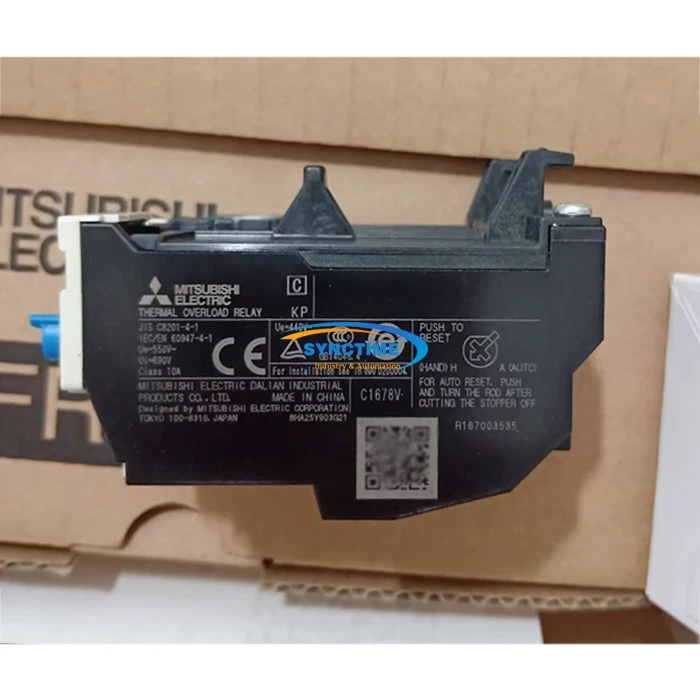
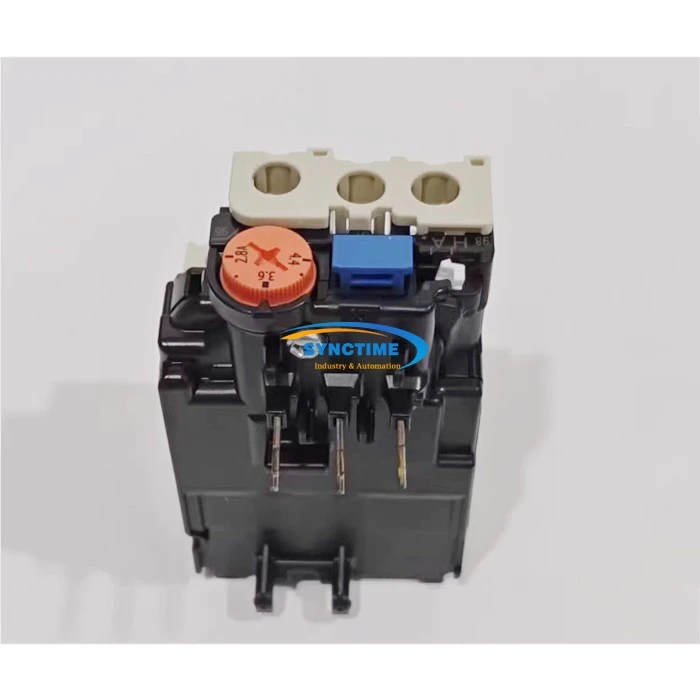
The TH - T18KP Relay is a reliable device, but it has a relatively lower contact life compared to the MY2N - D2. This means that in applications where continuous and frequent switching is required, the MY2N - D2 may be a better choice. On the other hand, the TH - T25KP Relay is designed for higher power applications. While it has good performance in terms of power handling, its energy efficiency may not be as high as that of the MY2N - D2. In long - term continuous operation, energy efficiency is an important factor as it can lead to significant cost savings over time.
Factors Affecting Long - Term Continuous Operation
Although the MY2N - D2 has many features that make it suitable for long - term continuous operation, there are still some external factors that need to be considered.
Load Type
The type of load connected to the relay can have a significant impact on its performance. Resistive loads, such as heaters, are relatively easy for the relay to handle. However, inductive loads, like motors and solenoids, can cause high inrush currents when they are switched on. These inrush currents can put additional stress on the relay contacts, potentially reducing their lifespan. To mitigate this issue, appropriate snubber circuits or other protective devices can be used in conjunction with the MY2N - D2 when dealing with inductive loads.
Environmental Conditions
In addition to temperature, other environmental factors such as humidity, dust, and vibration can also affect the relay's performance. High humidity can cause corrosion on the relay contacts, while dust can accumulate inside the relay and interfere with its operation. Vibration can loosen the internal components of the relay, leading to contact problems. Therefore, it is important to install the MY2N - D2 in a suitable environment and take appropriate measures to protect it from these environmental factors.
Conclusion
In conclusion, the MY2N - D2 is generally well - suited for long - term continuous operation. Its high - quality construction, long contact life, temperature resistance, and electrical stability make it a reliable choice for many industrial applications. However, it is important to consider the specific requirements of the application, such as load type and environmental conditions, to ensure optimal performance.
If you are in the market for a relay for long - term continuous operation, I encourage you to consider the MY2N - D2. Our team of experts is ready to assist you in determining if it is the right fit for your needs. Feel free to contact us for more information and to start a procurement discussion.
References
- Industrial Relay Handbook, Third Edition.
- Technical specifications of MY2N - D2, TH - T18KP, and TH - T25KP relays.
Send Inquiry