


How to troubleshoot a malfunctioning regulator?
Oct 06, 2025
Leave a message
Troubleshooting a malfunctioning regulator is a crucial skill for anyone working with fluid control systems. As a valve and regulator supplier, I've encountered various issues with regulators over the years. In this blog post, I'll share some insights on how to troubleshoot a malfunctioning regulator effectively.
Understanding the Basics of Regulators
Before diving into troubleshooting, it's essential to understand what a regulator does. A regulator is a device that controls the pressure of a fluid (either gas or liquid) in a system. It maintains a constant output pressure regardless of changes in the input pressure or flow rate. Regulators are commonly used in pneumatic and hydraulic systems, as well as in gas supply lines for industrial and residential applications.
There are different types of regulators, including pressure-reducing regulators, back-pressure regulators, and flow regulators. Each type has its own unique function and operating principle. For example, a pressure-reducing regulator reduces the high inlet pressure to a lower, more stable outlet pressure. On the other hand, a back-pressure regulator maintains a constant pressure upstream of the regulator by controlling the flow rate.
Common Symptoms of a Malfunctioning Regulator
The first step in troubleshooting a regulator is to identify the symptoms of a malfunction. Here are some common signs that your regulator may be having problems:
- Inconsistent Output Pressure: If the output pressure of the regulator is fluctuating or not maintaining the set value, it could indicate a problem. This could be due to a worn diaphragm, a clogged orifice, or a faulty spring.
- Excessive Noise or Vibration: Unusual noise or vibration coming from the regulator can be a sign of internal damage or improper operation. It could be caused by a loose component, a damaged valve seat, or a problem with the flow path.
- Leakage: Leakage around the regulator is a clear indication of a problem. It could be due to a damaged seal, a loose connection, or a cracked body. Leakage not only wastes fluid but can also pose a safety hazard.
- No Output Pressure: If the regulator is not producing any output pressure, it could be due to a blocked inlet, a failed diaphragm, or a problem with the pressure adjustment mechanism.
Troubleshooting Steps
Once you've identified the symptoms, you can start the troubleshooting process. Here are some steps to follow:
Step 1: Visual Inspection
The first step is to perform a visual inspection of the regulator. Check for any obvious signs of damage, such as cracks, leaks, or loose connections. Look at the diaphragm, springs, and other internal components for signs of wear or damage. Make sure the regulator is properly installed and that all the connections are tight.
Step 2: Check the Inlet and Outlet Pressures
Use a pressure gauge to measure the inlet and outlet pressures of the regulator. Compare the measured values with the set values. If the inlet pressure is within the specified range but the outlet pressure is not, it could indicate a problem with the regulator.
Step 3: Inspect the Filter and Orifice
A clogged filter or orifice can restrict the flow of fluid and cause the regulator to malfunction. Remove the filter and orifice and clean them thoroughly. Check for any debris or blockages. If the filter or orifice is damaged, replace it with a new one.
Step 4: Check the Diaphragm
The diaphragm is a critical component of the regulator. It separates the fluid from the control mechanism and helps maintain the output pressure. Inspect the diaphragm for any signs of damage, such as tears or holes. If the diaphragm is damaged, replace it with a new one.
Step 5: Adjust the Pressure Setting
If the output pressure is not within the desired range, you may need to adjust the pressure setting of the regulator. Refer to the manufacturer's instructions for the correct procedure. Use a pressure gauge to monitor the output pressure while making the adjustments.
Step 6: Test the Regulator
After performing the above steps, test the regulator to see if the problem has been resolved. Turn on the fluid supply and check the output pressure. Make sure the regulator is operating smoothly and that there are no signs of leakage or other issues.
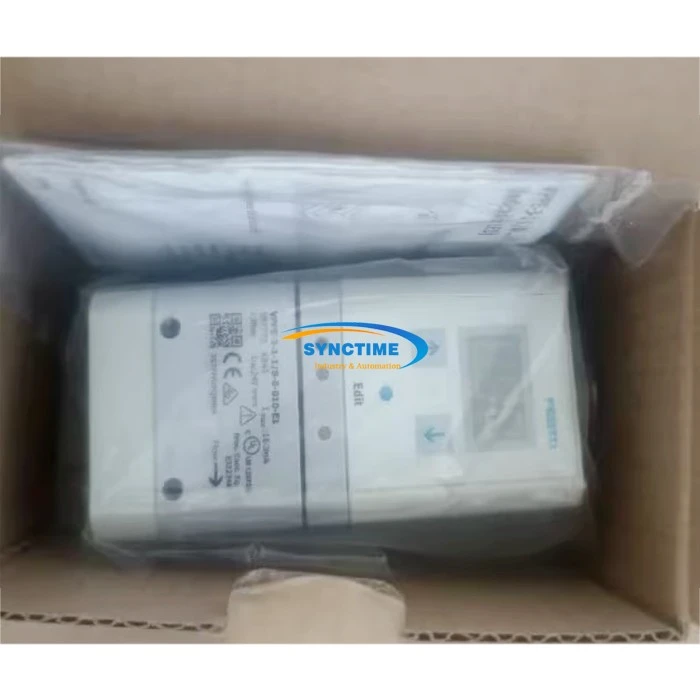
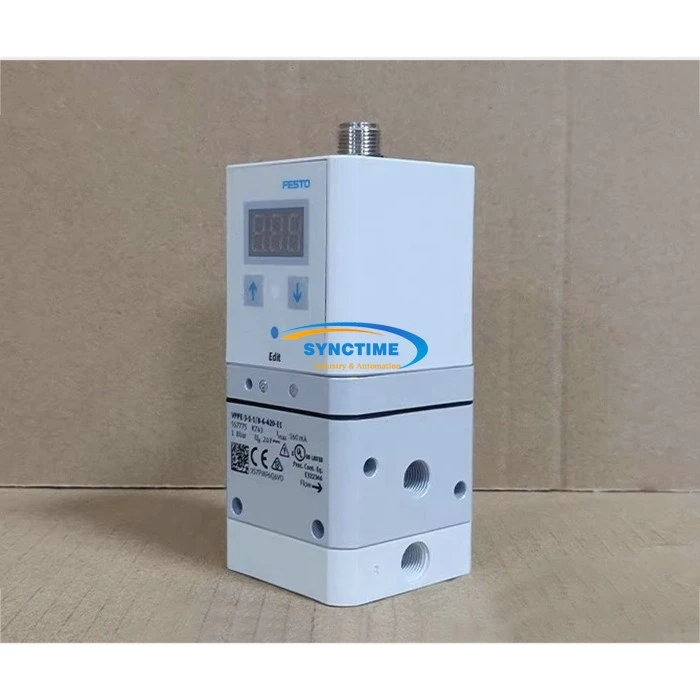
Specific Troubleshooting for the VPPE-3-1-1/8-6-010-E1 Regulator
The VPPE-3-1-1/8-6-010-E1 Regulator is a specific type of regulator that may have its own unique troubleshooting requirements. Here are some additional tips for troubleshooting this regulator:
- Check the Electronic Control: This regulator may have an electronic control system. Make sure the power supply is connected properly and that the control settings are correct. Check for any error messages on the control panel.
- Inspect the Solenoid Valve: The solenoid valve in the regulator can sometimes malfunction. Check for proper operation by energizing the solenoid and listening for a clicking sound. If the solenoid valve is not working, it may need to be replaced.
- Verify the Pressure Transducer: The pressure transducer provides feedback to the control system. Check its accuracy by comparing the measured pressure with a known reference. If the pressure transducer is faulty, replace it.
Preventive Maintenance
To avoid regulator malfunctions in the future, it's important to perform regular preventive maintenance. Here are some tips:
- Clean and Lubricate: Regularly clean the regulator and lubricate the moving parts to prevent wear and corrosion.
- Replace Filters and Seals: Replace the filters and seals at regular intervals to ensure proper operation.
- Calibrate the Regulator: Periodically calibrate the regulator to maintain its accuracy.
- Follow the Manufacturer's Instructions: Always follow the manufacturer's instructions for installation, operation, and maintenance of the regulator.
Conclusion
Troubleshooting a malfunctioning regulator requires a systematic approach and a good understanding of how regulators work. By following the steps outlined in this blog post, you can identify and resolve most regulator problems. If you're still having trouble or if you're unsure about any step, don't hesitate to contact a professional or the manufacturer for assistance.
As a valve and regulator supplier, we offer a wide range of high-quality regulators, including the VPPE-3-1-1/8-6-010-E1 Regulator. If you're in the market for a new regulator or need help with troubleshooting your existing one, we'd be happy to assist you. Contact us to discuss your requirements and start the procurement process.
References
- "Fluid Power Systems" by Anthony Esposito
- Manufacturer's manuals for various regulators
Send Inquiry