


How to measure the radius of a cylinder accurately?
Sep 24, 2025
Leave a message
Hey there! As a cylinder supplier, I've been in the business long enough to know that getting the accurate radius of a cylinder is super important. Whether you're an engineer working on a high - tech project, a mechanic in a repair shop, or just someone who needs to measure a cylinder for a DIY job, having the right measurement can make all the difference. In this blog, I'll share some tips on how to measure the radius of a cylinder accurately.
Why Accurate Radius Measurement Matters
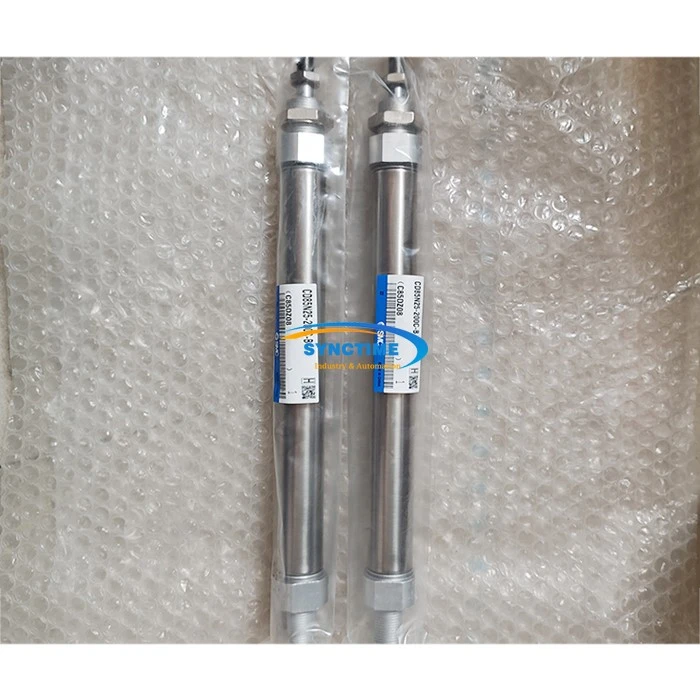
First off, let's talk about why it's so crucial to get the radius right. In manufacturing, even a tiny error in the radius measurement can lead to parts that don't fit together properly. This can cause delays in production, increased costs due to rework, and even safety issues in some cases. For example, if you're using a CD85N25 - 200C - B Cylinder in a machine, an incorrect radius measurement could mean that the cylinder won't function as intended, leading to malfunctions and potential breakdowns.
Tools You'll Need
Before we start measuring, you'll need to gather the right tools. Here are some of the most common ones:
- Calipers: These are probably the most widely used tool for measuring the radius of a cylinder. There are two main types: vernier calipers and digital calipers. Digital calipers are easier to read and generally more accurate, but vernier calipers can be a great option if you're on a budget.
- Micrometers: Micrometers are even more precise than calipers. They're ideal for measuring very small cylinders or when you need extremely accurate measurements.
- Ruler or Tape Measure: A simple ruler or tape measure can be used for a rough estimate, but it's not as accurate as calipers or micrometers.
Step - by - Step Measurement Process
Step 1: Prepare the Cylinder
Make sure the cylinder is clean and free of any debris or dirt. This will ensure that you get an accurate measurement. If the cylinder has any burrs or rough edges, you may need to file them down gently before measuring.
Step 2: Choose the Right Measuring Point
The radius of a cylinder can vary along its length, especially if it's not a perfectly uniform shape. To get the most accurate measurement, choose a point on the cylinder where the cross - section is as circular as possible. This is usually in the middle of the cylinder, away from any flanges or other irregularities.
Step 3: Measure the Diameter
Using your calipers or micrometer, measure the diameter of the cylinder at the chosen point. To do this with calipers, open the jaws of the calipers and place them around the cylinder. Make sure the calipers are perpendicular to the axis of the cylinder. Then, close the jaws until they touch the cylinder on both sides. Read the measurement on the caliper scale. If you're using digital calipers, the measurement will be displayed on the screen.
If you're using a micrometer, place the cylinder between the anvil and the spindle of the micrometer. Turn the thimble until the spindle touches the cylinder. Read the measurement on the sleeve and thimble of the micrometer.
Step 4: Calculate the Radius
Once you have the diameter measurement, calculating the radius is easy. Just divide the diameter by 2. For example, if the diameter of the cylinder is 50 mm, the radius is 25 mm.
Dealing with Irregular Cylinders
Not all cylinders are perfectly circular. Some may have an oval or elliptical cross - section. In these cases, measuring the radius can be a bit more challenging.
One way to deal with irregular cylinders is to take multiple diameter measurements at different points around the circumference of the cylinder. Then, calculate the average diameter and use that to find the average radius. Another option is to use a specialized tool called a profile projector, which can create a magnified image of the cylinder's cross - section and allow you to measure the radius more accurately.
Using Technology for More Accurate Measurements
In recent years, there have been some great technological advancements that can help you measure the radius of a cylinder more accurately. For example, 3D scanners can create a detailed digital model of the cylinder, allowing you to measure the radius at any point on the model. This is especially useful for complex or irregularly shaped cylinders.
There are also smartphone apps available that can turn your phone into a measuring tool. Some of these apps use the phone's camera and sensors to measure the dimensions of an object. While they may not be as accurate as traditional measuring tools, they can be a convenient option for quick and rough measurements.
Quality Control and Verification
After you've measured the radius of the cylinder, it's important to verify the accuracy of your measurement. One way to do this is to measure the same cylinder multiple times using the same tool or different tools. If the measurements are consistent, you can be more confident in the accuracy of your result.
You can also compare your measurement with the specifications provided by the manufacturer. For example, if you're using a CD85N25 - 175 - B Cylinder, the manufacturer should provide the expected radius in the product documentation. If your measurement is significantly different from the specified value, you may need to double - check your measurement or investigate if there's an issue with the cylinder.
Conclusion
Measuring the radius of a cylinder accurately is an important skill for anyone working with cylinders. By using the right tools, following the proper measurement process, and taking steps to verify the accuracy of your measurement, you can ensure that you get the most accurate results.
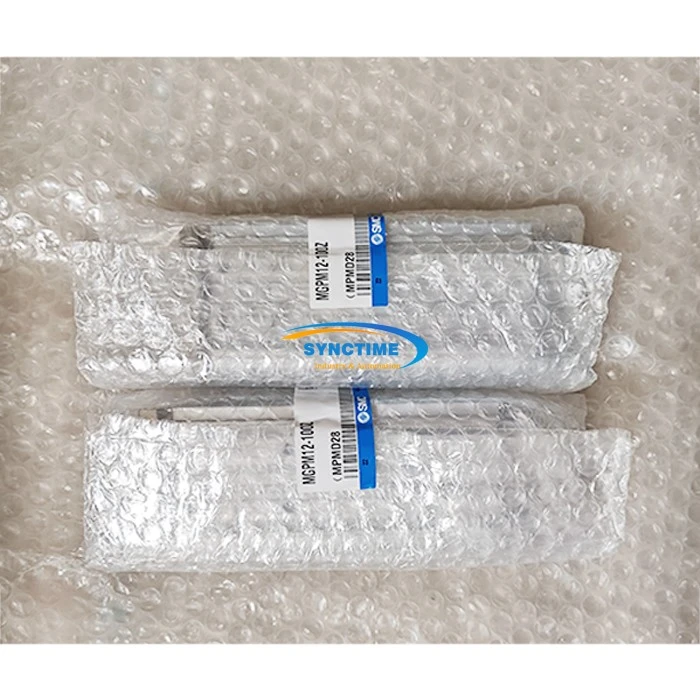
If you're in the market for high - quality cylinders, we've got you covered. We offer a wide range of cylinders, including the MGPM12 - 100Z Cylinder, at competitive prices. Whether you need a single cylinder for a small project or a large quantity for a manufacturing operation, we can help. Contact us today to discuss your requirements and start the procurement process.
References
- "Measurement and Metrology" by John D. Vukelich
- "Engineering Metrology" by R. K. Jain
Send Inquiry