


How to measure the length of a cylinder accurately?
Dec 24, 2025
Leave a message
Hey there! As a cylinder supplier, I've seen firsthand how important it is to measure the length of a cylinder accurately. Whether you're in manufacturing, engineering, or any industry that uses cylinders, getting the right measurements can make or break a project. In this blog post, I'll share some tips and techniques on how to measure the length of a cylinder accurately.
Why Accurate Measurement Matters
First off, let's talk about why accurate measurement is so crucial. In the world of cylinders, even a small error in measurement can lead to big problems. For example, if a cylinder is too long or too short, it might not fit properly into the machinery it's meant for. This can cause mechanical failures, reduce the efficiency of the equipment, and even pose safety risks.
Moreover, accurate measurements are essential for quality control. When you're supplying cylinders to customers, they expect products that meet their specifications. By ensuring accurate measurements, you can maintain a good reputation and keep your customers happy.
Tools for Measuring Cylinders
Before we dive into the measurement process, let's take a look at the tools you'll need. There are several tools available, each with its own advantages and disadvantages.
- Vernier Caliper: This is a popular tool for measuring the length of small to medium-sized cylinders. It can measure both internal and external dimensions with high precision. You can get a reading down to a few thousandths of an inch or millimeter, depending on the scale of the caliper.
- Micrometer: Micrometers are even more precise than vernier calipers. They're great for measuring very small cylinders or when you need extremely accurate measurements. However, they're a bit more difficult to use and are usually more expensive.
- Measuring Tape: For larger cylinders, a measuring tape can be a practical option. It's easy to use and can give you a quick estimate of the length. However, it's not as precise as a vernier caliper or micrometer.
Step-by-Step Measurement Process
Now that you have the right tools, let's go through the step-by-step process of measuring the length of a cylinder.
Step 1: Prepare the Cylinder
Before you start measuring, make sure the cylinder is clean and free of any debris or contaminants. This will ensure accurate measurements and prevent damage to your measuring tools. If the cylinder has any burrs or rough edges, you might want to file them down gently.
Step 2: Choose the Right Measuring Point
The length of a cylinder is typically measured from one end to the other. However, you need to make sure you're measuring the correct points. For example, if the cylinder has a flange or a threaded end, you might need to measure from a specific reference point. In some cases, the manufacturer's specifications will tell you where to measure from.
Step 3: Use the Measuring Tool
Once you've identified the measuring points, it's time to use your measuring tool. If you're using a vernier caliper, open the jaws of the caliper and place them around the cylinder at the measuring points. Make sure the caliper is perpendicular to the axis of the cylinder. Then, read the measurement on the scale.
If you're using a micrometer, place the cylinder between the anvil and the spindle. Turn the thimble until the spindle touches the cylinder gently. Read the measurement on the sleeve and thimble.
For a measuring tape, simply wrap it around the cylinder at the measuring points and read the length.
Step 4: Take Multiple Measurements
To ensure accuracy, it's a good idea to take multiple measurements at different points along the length of the cylinder. This can help you account for any variations in the cylinder's shape or dimensions. Calculate the average of these measurements to get a more accurate result.
Special Considerations
There are a few special considerations you need to keep in mind when measuring cylinders.
- Temperature: The length of a cylinder can change with temperature. If you're measuring a cylinder in a hot or cold environment, you might need to take this into account. You can use a temperature correction factor to adjust your measurements.
- Cylinder Shape: Some cylinders might not be perfectly straight or have a uniform diameter. In these cases, you might need to measure the length at different points and take an average. You can also use more advanced measurement techniques, such as laser scanning, to get a more accurate picture of the cylinder's shape.
Examples of Cylinders and Their Measurement
Let's take a look at some examples of cylinders and how to measure them accurately.
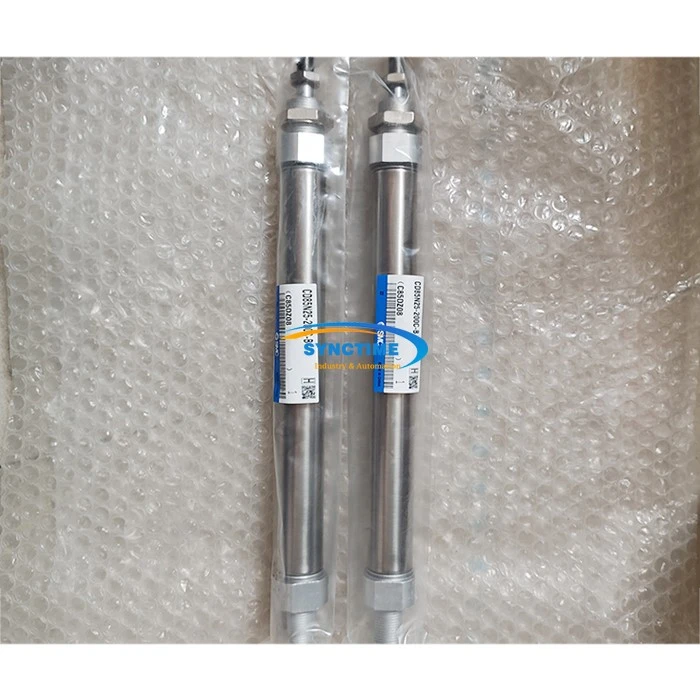
- CD85N25 - 200C - B Cylinder: You can find more information about the CD85N25 - 200C - B Cylinder on our website. When measuring this cylinder, make sure to measure from the end of the piston rod to the base of the cylinder body. Use a vernier caliper for precise measurements.
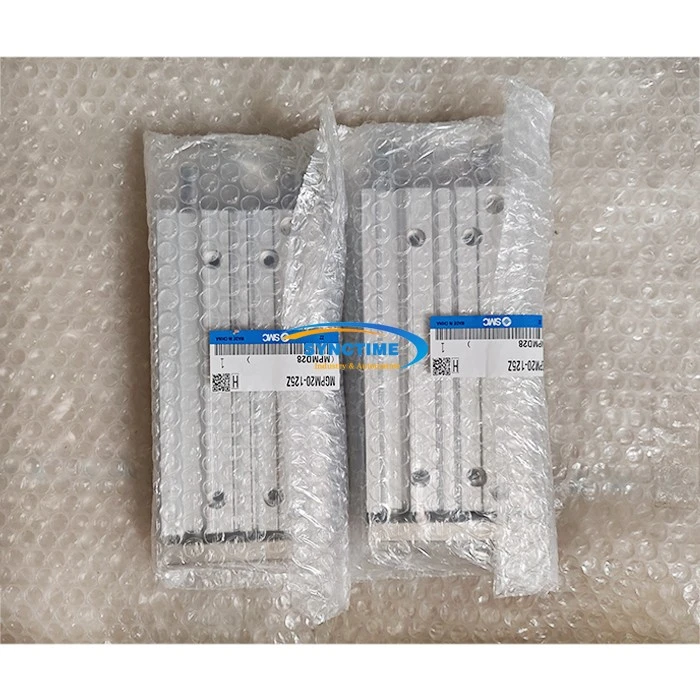
- MGPM20 - 125Z Cylinder: The MGPM20 - 125Z Cylinder is another popular model. Measure the length from the end of the rod to the back of the cylinder head. A micrometer can be a good choice for this type of cylinder if you need high precision.
- CD85N25 - 175 - B Cylinder: For the CD85N25 - 175 - B Cylinder, measure the overall length from one end to the other. You can use a measuring tape for a quick estimate, but for more accurate results, use a vernier caliper.
Conclusion
Measuring the length of a cylinder accurately is an important skill for anyone working with cylinders. By using the right tools, following the proper measurement process, and considering special factors, you can ensure that your measurements are as accurate as possible.
If you're in the market for high - quality cylinders, we're here to help. We offer a wide range of cylinders to meet your needs. Whether you need a small, precise cylinder for a delicate application or a large, heavy - duty cylinder for industrial use, we've got you covered. Contact us to start a procurement discussion and find the perfect cylinders for your project.
References
- "Measurement Techniques for Mechanical Components" - A textbook on mechanical measurement.
- Manufacturer's manuals for CD85N25 - 200C - B Cylinder, MGPM20 - 125Z Cylinder, and CD85N25 - 175 - B Cylinder.
Send Inquiry