


How to choose a valve and regulator for a small - scale application?
Oct 06, 2025
Leave a message
Hey there! As a supplier of valves and regulators, I've seen firsthand how crucial it is to pick the right ones for small - scale applications. Whether you're working on a DIY project, a small business setup, or just need something for a home - based experiment, the right valve and regulator can make all the difference. In this blog, I'll share some tips on how to choose the perfect valve and regulator for your small - scale needs.
Understanding Your Requirements
First things first, you need to understand what your application actually requires. What kind of fluid or gas are you dealing with? Is it air, water, or maybe something more specialized like a chemical solution? Different fluids have different properties, and this will greatly affect your choice of valve and regulator.
For example, if you're working with water in a small irrigation system, you'll need a valve that can handle the pressure and flow rate of the water. On the other hand, if you're using compressed air in a pneumatic tool, you'll need a regulator that can maintain a stable pressure for the tool to work properly.
You also need to consider the pressure and flow rate requirements. How much pressure does your system need to operate at? And what's the required flow rate? These are important factors because if the valve or regulator can't handle the pressure or flow rate, it won't work effectively. You might end up with leaks, inconsistent performance, or even damage to your equipment.
Types of Valves
There are several types of valves available, and each has its own advantages and disadvantages. Let's take a look at some of the most common ones for small - scale applications.
Ball Valves
Ball valves are one of the most popular choices for small - scale applications. They're simple, reliable, and easy to operate. A ball valve has a ball with a hole in the middle that rotates to control the flow of fluid. When the hole is aligned with the pipe, the fluid can flow through. When the ball is rotated 90 degrees, the flow is stopped.
Ball valves are great for on - off control. They can handle high pressures and are resistant to corrosion. However, they're not the best for regulating flow in a precise way. If you need to control the flow rate accurately, you might want to consider a different type of valve.
Globe Valves
Globe valves are another option. They have a disk that moves up and down to control the flow of fluid. Globe valves are better for regulating flow compared to ball valves. You can adjust the position of the disk to control the amount of fluid that passes through.
However, globe valves have a higher pressure drop compared to ball valves. This means that they can reduce the pressure of the fluid more significantly as it passes through the valve. So, if you're working with a system that has a limited pressure supply, a globe valve might not be the best choice.
Check Valves
Check valves are used to allow fluid to flow in one direction only. They're commonly used to prevent backflow in a system. For example, in a water pump system, a check valve can prevent the water from flowing back into the pump when it's turned off.
Check valves are simple and reliable. They don't require any external power to operate. However, they can't be used for on - off control or flow regulation.
Types of Regulators
Just like valves, there are different types of regulators for small - scale applications.
Pressure Regulators
Pressure regulators are used to control the pressure of a fluid or gas. They maintain a constant output pressure regardless of the input pressure. For example, if you have a compressed air system with a variable input pressure, a pressure regulator can ensure that the air pressure at the output is always at the desired level.
There are different types of pressure regulators, such as direct - acting and pilot - operated regulators. Direct - acting regulators are simpler and more cost - effective, but they're not as accurate as pilot - operated regulators. Pilot - operated regulators are more complex and expensive, but they can provide more precise pressure control.
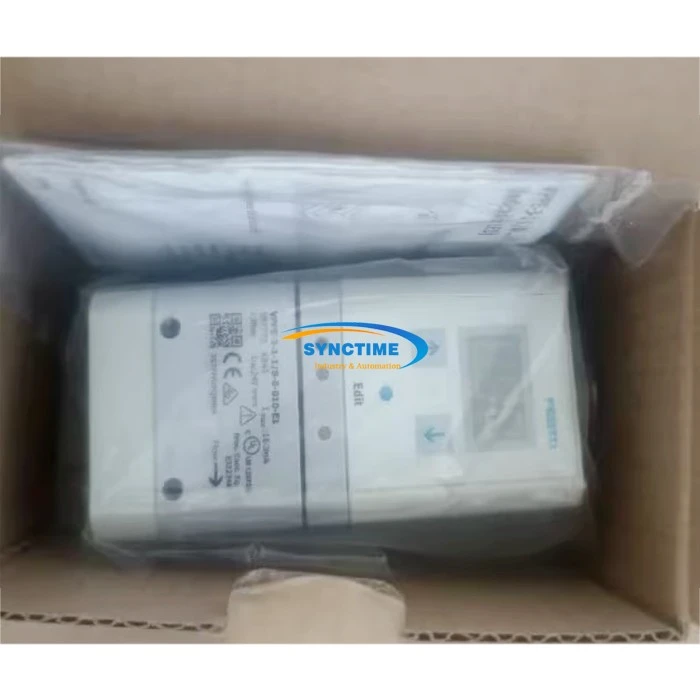
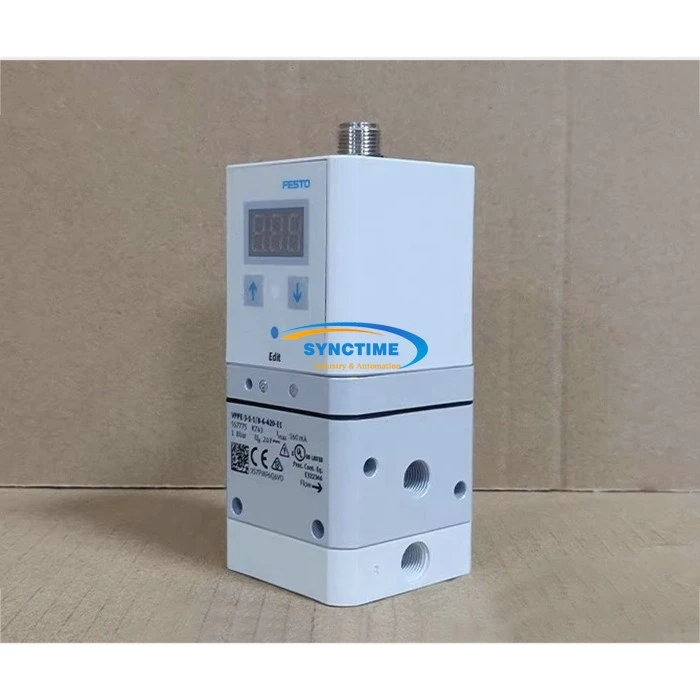
One great option for a pressure regulator is the VPPE - 3 - 1 - 1/8 - 6 - 010 - E1 Regulator. It's designed to provide reliable pressure control for small - scale pneumatic applications. It has a compact design, which makes it suitable for tight spaces.
Flow Regulators
Flow regulators are used to control the flow rate of a fluid or gas. They can maintain a constant flow rate regardless of changes in pressure or viscosity. Flow regulators are useful in applications where a consistent flow rate is required, such as in a chemical dosing system.
Flow regulators work by adjusting the size of the orifice through which the fluid passes. By changing the orifice size, the flow rate can be controlled.
Considerations for Small - Scale Applications
When choosing a valve and regulator for a small - scale application, there are some additional considerations.
Size and Space
Small - scale applications often have limited space. So, you need to choose a valve and regulator that are compact and can fit into the available space. Look for products with a small footprint and a design that allows for easy installation.
Cost
Cost is always a factor, especially for small - scale projects. You don't want to overspend on a valve and regulator when there are more affordable options available. However, don't sacrifice quality for cost. A cheap valve or regulator that doesn't work properly can end up costing you more in the long run due to repairs and replacements.
Ease of Use
You want a valve and regulator that are easy to operate and maintain. Look for products with simple controls and clear instructions. If you're not a professional, you don't want to deal with a complicated setup or maintenance process.
Conclusion
Choosing the right valve and regulator for a small - scale application is not as difficult as it might seem. By understanding your requirements, knowing the different types of valves and regulators, and considering the specific needs of your small - scale project, you can make an informed decision.
If you're still not sure which valve and regulator are right for you, don't hesitate to reach out. As a valve and regulator supplier, I'm here to help you find the perfect products for your application. We can have a detailed discussion about your needs, and I can provide you with expert advice and the best solutions. So, start your journey to a well - functioning small - scale system by making the right choice in valves and regulators.
References
- "Valve Handbook" - A comprehensive guide on different types of valves and their applications.
- "Pneumatic and Hydraulic Systems" - A resource that provides in - depth knowledge about pressure and flow regulation in fluid systems.
Send Inquiry