


How does the contact resistance of a relay change over time?
Jan 16, 2026
Leave a message
How does the contact resistance of a relay change over time?
Hey there! I'm working for a relay supplier, and today I wanna talk about how the contact resistance of a relay changes over time. It's a super important topic, especially for those who rely on relays in their electrical systems.
First off, let's get a quick understanding of what contact resistance is. In simple terms, contact resistance is the resistance that occurs at the point where the relay's contacts meet. It's like a little roadblock for the electrical current flowing through the relay. When a relay is brand - new, the contact resistance is usually at its lowest. This is because the contact surfaces are clean and smooth, allowing the current to pass through with minimal hindrance.
Now, as time goes on, several factors come into play that can cause the contact resistance to change. One of the main factors is wear and tear. Every time the relay switches on and off, there's a physical impact between the contacts. This repeated impact can cause the contact surfaces to become rough. Think of it like rubbing two pieces of sandpaper together. The more you rub, the more uneven the surfaces become. As the contact surfaces roughen, the area where the current can flow freely decreases, and the contact resistance increases.
Another big factor is oxidation. When the relay's contacts are exposed to air, they start to react with oxygen in the air. This forms a thin layer of oxide on the contact surfaces. Oxide is a poor conductor of electricity, so it acts as an additional barrier for the current. Over time, this oxide layer can build up, significantly increasing the contact resistance. Humidity can also speed up this oxidation process, so in environments with high humidity, the contact resistance of relays is likely to increase more quickly.
Contamination is also no joke when it comes to contact resistance. Dust, dirt, and other particles in the air can settle on the relay contacts. These contaminants can act as insulators, preventing the electrical current from flowing smoothly. Some industrial environments are particularly bad for this. For example, in a factory where there's a lot of metal shavings or chemical fumes, the relay contacts can get contaminated very easily. Once contaminated, the contact resistance goes up, and the relay may not function as efficiently as it should.
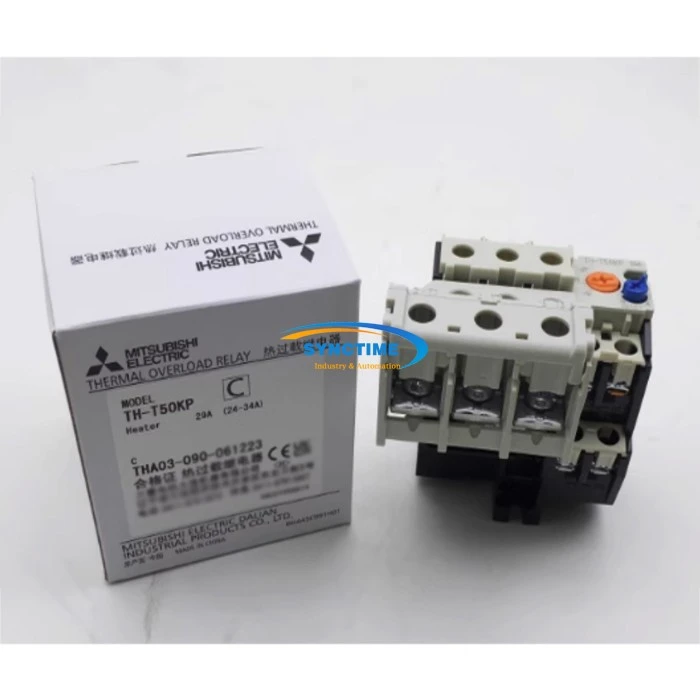
Now, let's take a look at some specific relays in our product line and how their contact resistance might change over time. We've got the TH - T50KP Relay. This is a high - performance relay that's designed to handle a decent amount of current. When it's new, it has a very low contact resistance, which ensures a stable and efficient electrical connection. But as it's used over time, the factors we talked about earlier, like wear, oxidation, and contamination, can start to affect it. The contact resistance may gradually increase, and if it gets too high, it could lead to problems like overheating or even failure of the relay.
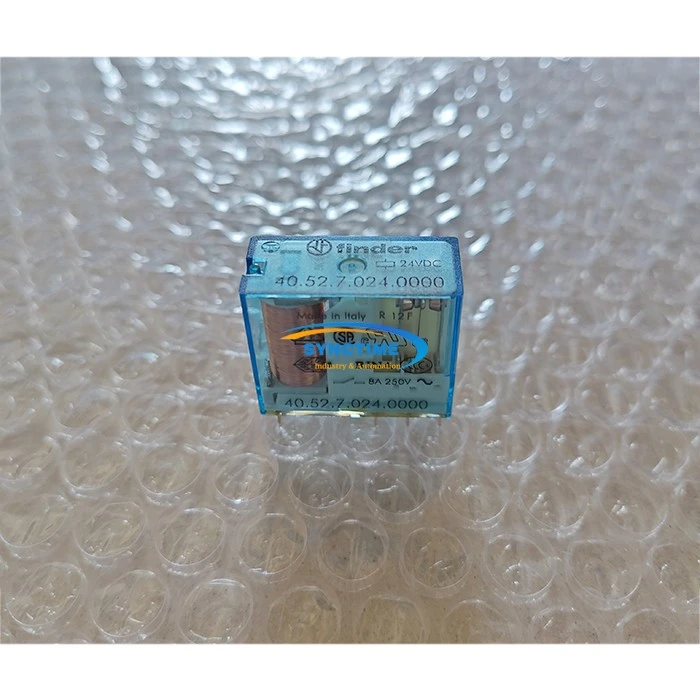
Then there's the 40.52.7.024.0000 Relay. This relay is known for its reliability, but it's not immune to the effects of time on contact resistance. In applications where it's switching on and off frequently, the wear on the contacts can be more pronounced. And if it's in an environment with a lot of moisture or contaminants, the oxidation and contamination issues can really take a toll on the contact resistance.
We also offer the Base Socket Max.7A250V For MY2N - D2. While it's a socket, the connection between the relay and the socket also has a certain amount of contact resistance. Over time, as the relay is inserted and removed from the socket, or just due to the normal flow of current, the contact resistance at this connection can change. A high contact resistance here can lead to voltage drops and inefficient power transfer.
So, how can you deal with the changing contact resistance of relays? First of all, regular maintenance is key. You can clean the relay contacts periodically to remove any contaminants or oxide layers. There are special cleaning agents available for this purpose. Also, try to keep the environment where the relays are installed as clean and dry as possible. This can slow down the oxidation and contamination processes.
If you're experiencing problems with high contact resistance in your relays, it might be time to consider replacing them. As a relay supplier, we can offer you high - quality replacement relays that will have low contact resistance when they're new. And we can also give you some tips on how to make them last longer.
If you're in the market for relays or have any questions about contact resistance and how it affects your electrical systems, don't hesitate to reach out. Whether you're a small - scale DIYer or a large industrial operation, we've got the right relays for you. We're here to help you make the best choices for your electrical needs. Contact us for a purchase negotiation, and we'll work together to find the perfect solutions for your relay requirements.
References
- Electrical Engineering Handbook: Relay Technology Section
- Industry Reports on Relay Performance and Long - term Use
- Manufacturer's Documentation on Relay Contact Resistance
Send Inquiry