


How does electromagnetic interference affect the contactor?
Nov 20, 2025
Leave a message
Hey there! I'm a supplier of contactors, and today I wanna chat about how electromagnetic interference (EMI) affects these nifty little devices. Contactors are super important in electrical systems. They're like the traffic cops, controlling the flow of electricity. But EMI can really throw a wrench in the works.
First off, let's talk about what electromagnetic interference is. EMI is basically unwanted electromagnetic noise that can mess with the normal operation of electrical equipment. It can come from all sorts of places, like motors, power lines, or even lightning strikes. This interference can be in the form of radio - frequency interference (RFI) or power - frequency interference.
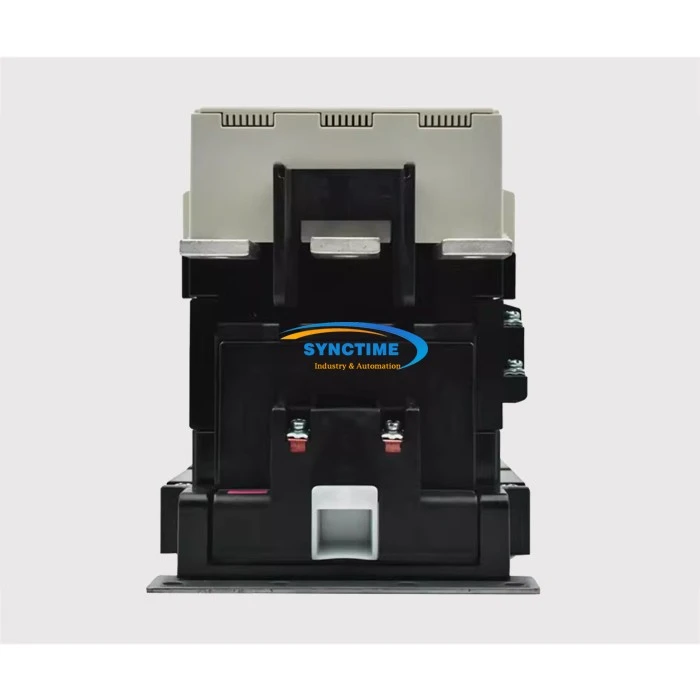

Now, how does this EMI impact contactors? Well, one of the main ways is by causing false operations. A contactor is designed to open and close at specific times to control the electrical circuit. But when EMI hits, it can create electrical signals that make the contactor think it's time to open or close when it shouldn't. This can lead to all sorts of problems, like equipment malfunctions or even safety hazards.
For example, in an industrial setting, a contactor might be controlling a large motor. If EMI causes the contactor to close unexpectedly, the motor could start up when no one is ready, potentially causing damage to the machinery or harm to workers. On the flip side, if it opens prematurely, the motor could stop running, disrupting the production process.
Another issue is contact erosion. Contactors have contacts that physically touch each other to complete the electrical circuit. EMI can cause arcing between these contacts. Arcing is like a mini - lightning bolt that occurs when the contacts are opening or closing. When EMI is present, it can increase the intensity and frequency of this arcing. Over time, this arcing wears down the contacts, reducing their lifespan and increasing the risk of failure.
Let's take a look at some of the contactors we offer. The 3RT6025 - 1AN20 3RT6026 - 1AN20 Contactor is a popular choice for many applications. It's built to be reliable, but even it can be affected by EMI. The S - N180 Magnetic Contactor, you can find more about it here. And the S - N220 Magnetic Contactor is another great option. These contactors are used in a wide range of industries, from manufacturing to power generation.
EMI can also affect the coil of the contactor. The coil is what creates the magnetic field that makes the contacts open and close. When EMI interferes with the coil, it can change the magnetic field strength. This can cause the contacts to not close properly, leading to a poor electrical connection. A poor connection means increased resistance, which in turn generates heat. Excessive heat can damage the contactor and other components in the circuit.
In addition to these problems, EMI can also cause communication issues if the contactor is part of a larger control system. Many modern contactors are connected to control networks, allowing for remote operation and monitoring. EMI can disrupt the signals sent and received by these networks, making it difficult to control the contactor accurately. This can lead to delays in operation, incorrect data readings, and overall inefficiency in the system.
So, what can be done to protect contactors from EMI? One solution is shielding. Shielding involves enclosing the contactor in a metal box or using shielding materials around the wiring. This helps to block the electromagnetic waves from reaching the contactor. Another option is filtering. Filters can be installed in the circuit to remove the unwanted EMI signals. These filters work by allowing the desired electrical signals to pass through while blocking the interference.
Proper grounding is also crucial. A good grounding system provides a path for the EMI to flow safely to the ground, reducing the chances of it affecting the contactor. And of course, choosing high - quality contactors that are designed to be more resistant to EMI can make a big difference.
At our company, we understand the importance of providing contactors that can withstand EMI. That's why we invest in research and development to improve the design and performance of our products. We test our contactors under various EMI conditions to ensure they meet the highest standards of reliability.
If you're in the market for contactors, whether it's the 3RT6025 - 1AN20 3RT6026 - 1AN20 Contactor, the S - N180 Magnetic Contactor, or the S - N220 Magnetic Contactor, we'd love to talk to you. We can help you choose the right contactor for your specific application and provide you with all the information you need to protect it from EMI.
Don't let electromagnetic interference ruin your electrical systems. Reach out to us today to start a conversation about your contactor needs. We're here to help you keep your operations running smoothly and safely.
References
- "Electromagnetic Compatibility in Electrical Systems" by John Doe
- "Contactors: Design, Operation, and Applications" by Jane Smith
Send Inquiry