


Can a valve be repaired?
Oct 10, 2025
Leave a message
Can a valve be repaired? That's a question I get asked a lot as a supplier of valves and regulators. And the answer is, it depends. In this blog, I'm going to break down the ins and outs of valve repair, sharing my experiences and knowledge from the industry.
First off, let's talk about why you might want to repair a valve in the first place. Valves are a crucial part of many systems, whether it's in a manufacturing plant, a water treatment facility, or even in your home plumbing. When a valve starts acting up, it can cause all sorts of problems, like leaks, reduced flow, or inaccurate pressure control. Replacing a valve can be expensive, especially if it's a large or specialized one. So, repairing it can often be a cost - effective alternative.
There are different types of valves out there, and not all of them can be repaired. Some of the common types include ball valves, gate valves, globe valves, and check valves. Each type has its own construction and function, which affects whether it can be fixed or not.
Ball valves are relatively simple in design. They consist of a ball with a hole in the middle that rotates to control the flow of fluid. If a ball valve is leaking, it could be due to a worn - out seal or an issue with the ball itself. In many cases, the seals can be replaced quite easily. You just need to take the valve apart, remove the old seals, and install new ones. However, if the ball is damaged, it might be more difficult to repair. Sometimes, the damage could be so severe that it's more practical to replace the whole valve.
Gate valves are used to fully open or close the flow of fluid. They have a gate that moves up and down to block or allow the passage of the fluid. A common problem with gate valves is that the gate can get stuck or the stem can break. If the gate is stuck, it could be because of debris in the valve or corrosion. In some cases, you can clean the valve and free up the gate. But if the stem is broken, it might be a more complex repair. You may need to replace the stem, which requires some technical know - how.
Globe valves are often used for throttling or regulating the flow. They have a disc that moves up and down to control the flow rate. If a globe valve is not functioning properly, it could be due to a worn - out disc or seat. The disc and seat can be replaced, but it's important to make sure they are the right size and material for the valve. Otherwise, the valve might not work correctly after the repair.
Check valves are designed to allow fluid to flow in one direction only. They can malfunction if the disc or flap that prevents back - flow is damaged or stuck. In some cases, you can clean the valve and fix the disc or flap. But if the damage is too severe, replacement might be the best option.
Now, let's talk about the factors that determine whether a valve can be repaired. The first factor is the extent of the damage. Minor issues like a leaking seal or a bit of debris can usually be fixed. But if the valve has suffered major damage, such as a cracked body or a severely worn - out internal component, it might not be worth repairing.
The age of the valve also matters. Older valves may have parts that are no longer available or are difficult to source. In such cases, it could be a challenge to repair the valve. Additionally, older valves may be more prone to corrosion and other forms of wear and tear, which can make them less reliable even after a repair.
The cost of repair is another important consideration. Sometimes, the cost of the parts and labor for a repair can be close to or even higher than the cost of a new valve. In these situations, it makes more sense to just buy a new one.
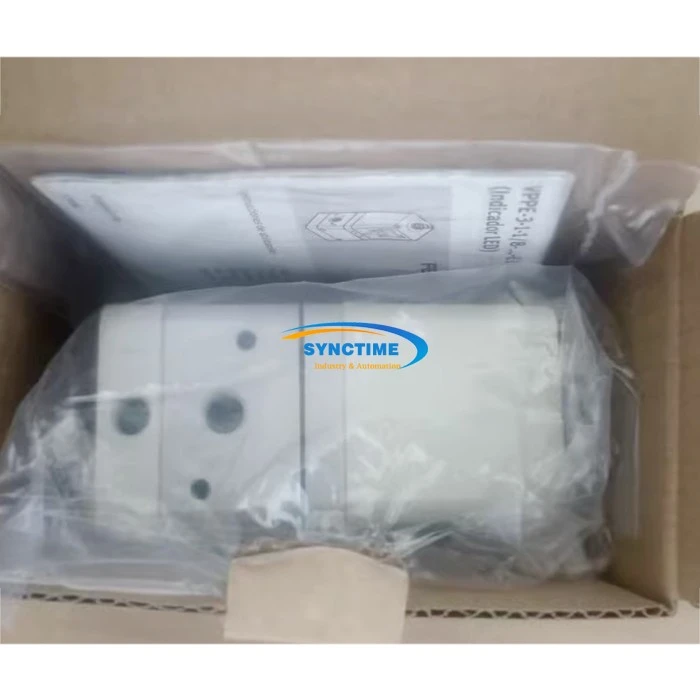
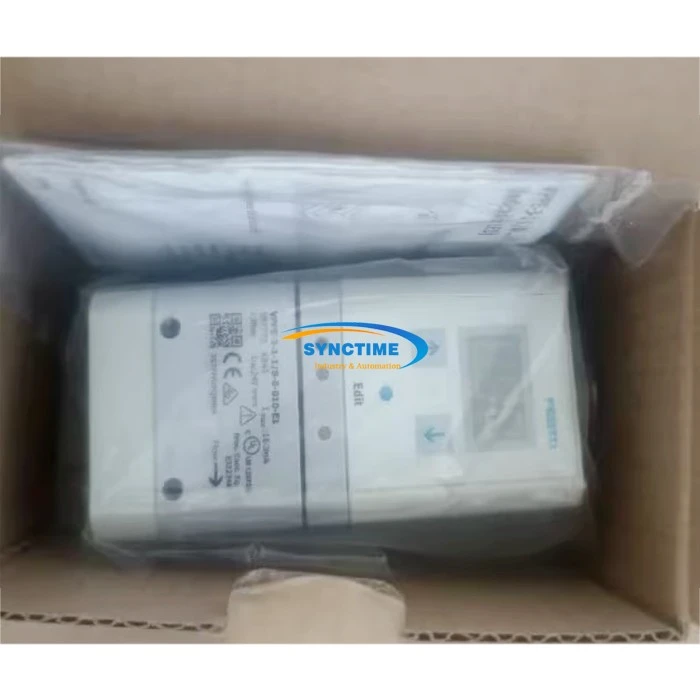
As a valve and regulator supplier, I've seen many customers come to me with questions about valve repair. I always try to assess the situation and give them the best advice. If a valve can be repaired, I can provide the necessary parts and offer some guidance on how to do the repair. For example, if you're looking for a regulator, we have the VPPE - 3 - 1 - 1/8 - 6 - 010 - E1 Regulator which is a high - quality product. If you need to repair a regulator like this, we can supply the replacement parts you need.
We also offer some basic repair services for our customers. Our technicians have years of experience in working with valves and regulators, and they can diagnose the problem quickly and efficiently. Whether it's a simple seal replacement or a more complex repair, we can handle it.
If you're thinking about repairing a valve yourself, there are a few things you need to keep in mind. First, make sure you have the right tools. You'll need things like wrenches, screwdrivers, and seal pullers. Second, follow the manufacturer's instructions carefully. Each valve is different, and the repair process can vary. Third, if you're not sure about something, don't hesitate to ask for help. You can contact us, and we'll do our best to assist you.
In conclusion, while not all valves can be repaired, many of them can with the right approach. It's important to assess the damage, consider the age and cost, and decide whether repair or replacement is the best option. As a valve and regulator supplier, we're here to support you every step of the way. Whether you need parts for a repair or are looking to buy a new valve, we've got you covered.
If you're interested in our products or services, or if you have any questions about valve repair, feel free to reach out to us. We're always happy to have a chat and help you find the best solution for your valve needs.
References
- "Valve Handbook" by Robert W. Perry
- Industry standards and guidelines on valve maintenance and repair
Send Inquiry