


Are there any safety precautions when using S - N220?
Sep 30, 2025
Leave a message
As a supplier of S - N220, I often receive inquiries from customers about the safety precautions when using this product. In this blog, I'll comprehensively discuss the safety aspects that users should be aware of to ensure the proper and safe operation of the S - N220.
1. Understanding the S - N220
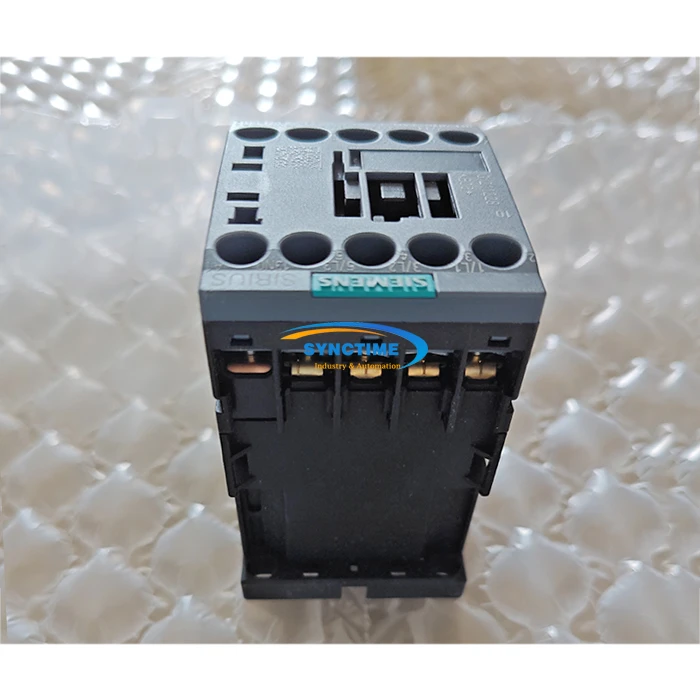
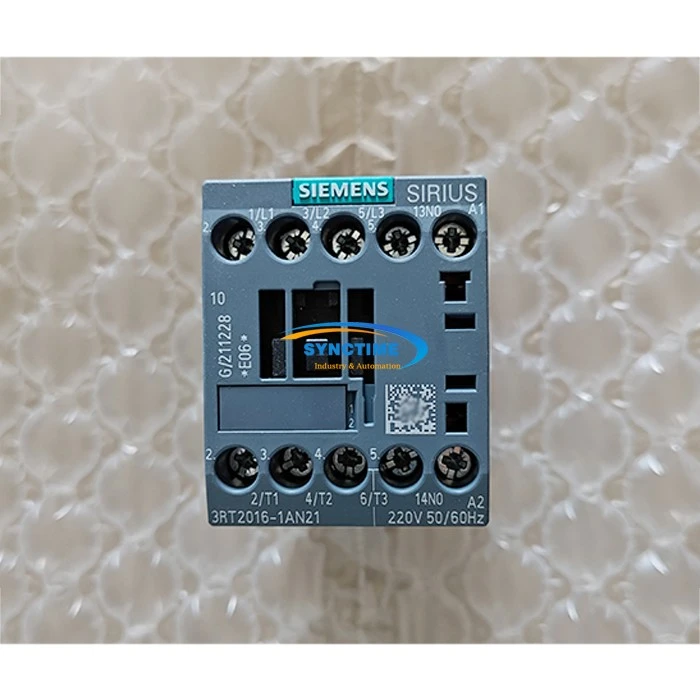
The S - N220 is a high - performance magnetic contactor, which is widely used in industrial electrical control systems. It is designed to handle large electrical loads, switch circuits on and off, and is known for its reliability and durability. Similar to other contactors like the 3RT2016 - 1AN21 Contactor and 3RT6025 - 1AN20 3RT6026 - 1AN20 Contactor, it plays a crucial role in electrical systems, but it also has its own unique features and requirements.
2. Pre - installation Safety Precautions
2.1. Environment Assessment
Before installing the S - N220, it is essential to assess the installation environment. The contactor should be installed in a dry, well - ventilated area. Avoid locations with high humidity, as moisture can cause corrosion of the internal components, leading to malfunction or even electrical short - circuits. Also, the temperature of the installation site should be within the specified range of the S - N220. Extreme temperatures can affect the performance and lifespan of the contactor. For example, high temperatures may cause the insulation materials to degrade, while low temperatures can make the moving parts more rigid and less responsive.
2.2. Electrical System Compatibility
Ensure that the electrical system where the S - N220 will be installed is compatible with its electrical ratings. Check the voltage, current, and frequency requirements of the S - N220 and compare them with the existing electrical system. Installing the contactor in an incompatible system can lead to overheating, damage to the contactor, and potential safety hazards such as electrical fires. For instance, if the system voltage is higher than the rated voltage of the S - N220, it may cause excessive current flow through the contactor, resulting in overheating and burnout.
2.3. Physical Inspection
Conduct a thorough physical inspection of the S - N220 before installation. Check for any visible damage to the housing, terminals, or internal components. If there are any cracks, dents, or loose parts, do not install the contactor. Contact our technical support team for further assistance. A damaged contactor may not function properly and can pose a significant safety risk during operation.
3. Installation Safety Precautions
3.1. Power Disconnection
Before starting the installation process, make sure to disconnect the power supply to the electrical system. This is a fundamental safety measure to prevent electric shock. Use appropriate safety equipment such as insulated tools and personal protective equipment (PPE) like gloves and safety glasses. Even a small amount of electrical current can be dangerous, so always follow the proper lock - out/tag - out procedures to ensure that the power remains off during the installation.
3.2. Correct Wiring
Proper wiring is crucial for the safe and efficient operation of the S - N220. Follow the wiring diagram provided in the product manual carefully. Incorrect wiring can cause the contactor to malfunction, damage the connected equipment, or create a fire hazard. Ensure that all connections are tight and secure. Loose connections can lead to arcing, which can generate heat and potentially cause a fire.
3.3. Grounding
The S - N220 must be properly grounded. Grounding provides a path for electrical current to flow safely to the ground in the event of a fault. This helps to protect users from electric shock and reduces the risk of damage to the contactor and other equipment. Connect the grounding terminal of the S - N220 to a reliable ground source according to the electrical code requirements.
4. Operation Safety Precautions
4.1. Regular Inspection
During the operation of the S - N220, conduct regular inspections. Check for any signs of overheating, such as abnormal temperatures on the housing or terminals. Overheating can indicate a problem with the contactor, such as a high - resistance connection or an overload. Also, listen for any unusual noises, such as buzzing or clicking sounds, which may suggest a mechanical or electrical issue. If any abnormal conditions are detected, stop the operation immediately and investigate the cause.
4.2. Avoid Overloading
Do not overload the S - N220. The contactor is designed to handle a specific amount of electrical load. Exceeding the rated current can cause the contacts to overheat and weld together, leading to a loss of control over the circuit and potential damage to the connected equipment. If you need to handle a higher load, consider using a larger - capacity contactor or multiple contactors in parallel.
4.3. Emergency Stop
Familiarize yourself with the emergency stop procedure. In case of an emergency, such as a short - circuit or a malfunction, you should be able to quickly stop the operation of the S - N220. This can prevent further damage to the equipment and ensure the safety of the operators.
5. Maintenance Safety Precautions
5.1. Scheduled Maintenance
Perform scheduled maintenance on the S - N220. This includes cleaning the contacts, checking the insulation resistance, and lubricating the moving parts if required. Regular maintenance helps to ensure the proper functioning of the contactor and extends its lifespan. However, always follow the maintenance procedures outlined in the product manual and disconnect the power supply before performing any maintenance tasks.
5.2. Component Replacement
When replacing components of the S - N220, use only genuine parts recommended by the manufacturer. Using non - compatible or low - quality parts can affect the performance and safety of the contactor. Also, follow the correct installation procedures for the replacement parts to ensure proper operation.
6. Comparison with Similar Products
Compared to the S - N180 Magnetic Contactor, the S - N220 has a higher current - carrying capacity. However, this also means that it requires more careful handling in terms of safety. The installation and operation safety precautions for both products are similar in principle, but the specific electrical ratings and physical characteristics need to be considered when applying these precautions.
7. Conclusion
In conclusion, using the S - N220 safely requires strict adherence to the pre - installation, installation, operation, and maintenance safety precautions. By following these guidelines, you can ensure the reliable and safe operation of the contactor, protect your equipment, and prevent potential safety hazards.
If you have any further questions about the S - N220 or are interested in purchasing our products, we welcome you to contact us for procurement negotiations. We are committed to providing high - quality products and excellent technical support to meet your needs.
References
- Product manual of S - N220
- Electrical safety standards and codes
Send Inquiry